


Is Building a Home Like Building a Car? No—Here’s Why You Need a Different Mindset
If you’ve ever bought a brand-new car, you know exactly what to expect. The paintwork is flawless, every panel is perfectly aligned, and every detail has been machine-finished to perfection. And when you take it home, it looks just as good in your driveway as it did in the showroom.
So when people build a new home, it’s easy to assume the same level of precision will apply.
But here’s the reality: building a home is not like building a car.
A car rolls off a production line, engineered to the millimetre in a factory where robots assemble parts with near-scientific precision. A home, on the other hand, is built by skilled professionals, by hand, in real-world conditions—and that makes all the difference.
This is not about making excuses.
And it’s not about some builders being better than others.
The truth is, the entire home-building industry operates differently from the car industry. And understanding this difference is the key to having the right expectations about your new home.
And the best way to set those expectations? Use the display home as your guide.
Building a Home vs. Building a Car: It’s a Completely Different Process
Precision Manufacturing vs. Skilled Craftsmanship
- Cars are built in a controlled factory setting, using robotic arms and laser-cut components that fit together with microscopic precision.
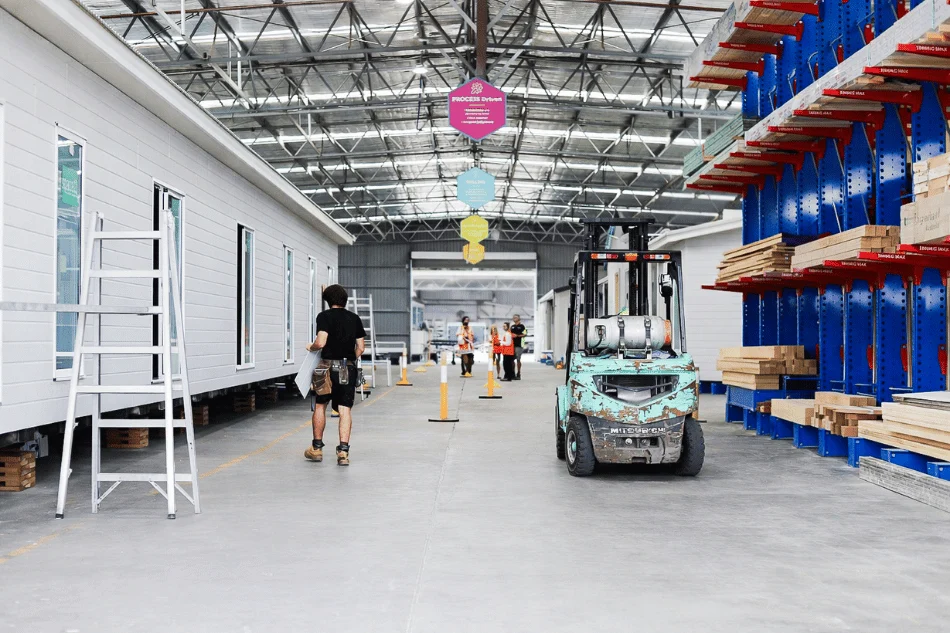
- Homes are built on-site, using a variety of materials, in conditions that change every day—temperature, humidity, and even the natural characteristics of materials like timber all play a role in the final outcome.
Natural Materials vs. Engineered Perfection
- The automotive industry deals with pre-engineered, synthetic materials designed for absolute uniformity.
- The construction industry works with natural materials that shift, breathe, and settle over time—so variations in things like timber grain, plaster joins, and paintwork are completely normal.
Industry Standards vs. Factory Perfection
- The Australian building industry follows strict construction standards and tolerances, ensuring every home meets an approved level of finish.
- These standards exist because perfection at a microscopic level isn’t realistic in home construction—it’s about delivering quality within accepted industry benchmarks, not manufacturing something to the precision of a car.
Want to understand more about construction tolerances? Search for the official Australian Building Standards & Tolerances Guide in your state.
Smart home builders who trust the process and understand these industry standards achieve the best results—because they focus on the overall quality and craftsmanship, not unrealistic, factory-like perfection.
Why Display Homes Are Your Best Guide to Real-World Quality
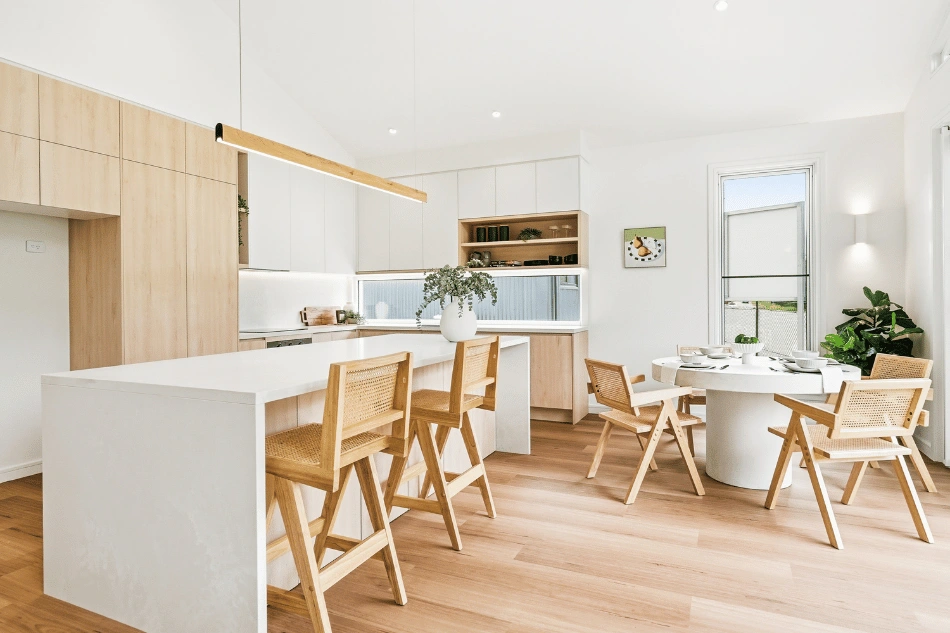
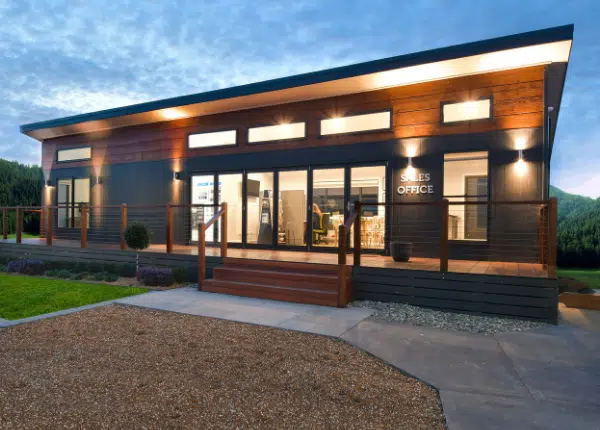
Here’s something most people don’t realise: display homes are built the same way as every other home.
They aren’t assembled in a controlled factory. They aren’t finished with special techniques that make them “better” than other homes. They’re built by the same trades, using the same materials, under the same industry standards as any other home.
So why do they look so perfect? It’s not because they are—it’s because of the way you look at them.
The “Rose-Coloured Glasses” Effect
When people visit a display home, they’re focused on the big picture—the spaciousness, the natural light, the feel of the home. They imagine their future life in it.
They’re not running their hands along the walls, scrutinising the paintwork from two centimetres away, or checking for tiny variations in cornices and skirting boards.
Yet, those same small variations are there in display homes too—you just don’t notice them because your mindset is different.
Why People Notice More in Their Own Home
When it comes to the final handover of a new home, people naturally switch into inspection mode. They start looking closely at details they never noticed in the display home—because now, it’s personal.
A slight variation in the texture of the paint, a barely visible join in the cabinetry—things they wouldn’t have cared about in a display home suddenly seem like a big deal.
But here’s the reality: if you went back to the display home and looked at it the same way, you’d find the same things.
The most satisfied homeowners are those who stay focused on the bigger picture—understanding that their home is built to high standards, just as display homes are, rather than expecting microscopic perfection.
What to Expect in Your New Home: A Realistic Perspective
Industry Standards Set the Bar—Not Perfection
- The construction industry has clear guidelines on what is considered an acceptable level of finish—and it’s not about perfection at a microscopic level.
- These tolerances exist because homes are built by hand, not machines, and natural variations in finishes are completely normal.
A Home Is a Living, Breathing Structure
- Unlike a car, which stays rigid and unchanged, a home moves, shifts, and settles over time.
- Timber expands and contracts. Plaster may develop subtle shifts. Paint will look different under different lighting conditions.
- These things don’t affect the quality of the home—they’re simply part of how buildings behave over time.
How to Approach Your New Home with the Right Mindset
Use the Display Home as Your Benchmark
- If you see something in your home that seems “off,” compare it to what you remember about the display home.
- Chances are, the same thing was there—but you weren’t inspecting it with a magnifying glass at the time.
- Instead of looking for tiny imperfections, step back and take in the bigger picture, just like you did in the display home.
Communicate with Your Builder, But Keep Perspective
- A good builder will always aim for quality and address any genuine issues.
- If you have concerns, refer to industry standards rather than assuming perfection is the goal.
For more insights into building a home with confidence, visit Manor Homes.
The Final Takeaway: A Well-Built Home Is Not a Factory Product—It’s Something More
At the end of the day, a home is not a mass-produced, machine-made object. It’s something bigger, more meaningful—a space where life happens, memories are made, and futures are built.
Yes, a brand-new car will always have a perfect coat of paint, because it was sprayed in a sealed factory. But that same car will never give you the feeling of waking up to the morning sun streaming through your bedroom window, or hosting your first barbecue in your backyard.
A home is crafted, not manufactured. And while it won’t have the microscopic precision of a car, it will be built to high industry standards, delivering comfort, quality, and beauty.
And when you step back and see it for what it really is—the place where your story unfolds—you’ll realise that’s what truly matters.