

We all know the feeling of stepping into a home that just feels right. It’s open, breezy, filled with light—and instantly calming. That’s the magic of a coastal home. But while the term is used a lot, there’s often confusion about what actually makes a home “coastal.” Is it just about being near the ocean? Or is there something more?
The truth is, there’s no strict rulebook. But there is a framework—a set of features and design choices—that give a home that unmistakable coastal feel. So let’s unpack it and help you decide if coastal living is what you’re after.
Where It All Began: The Original Coastal Homes
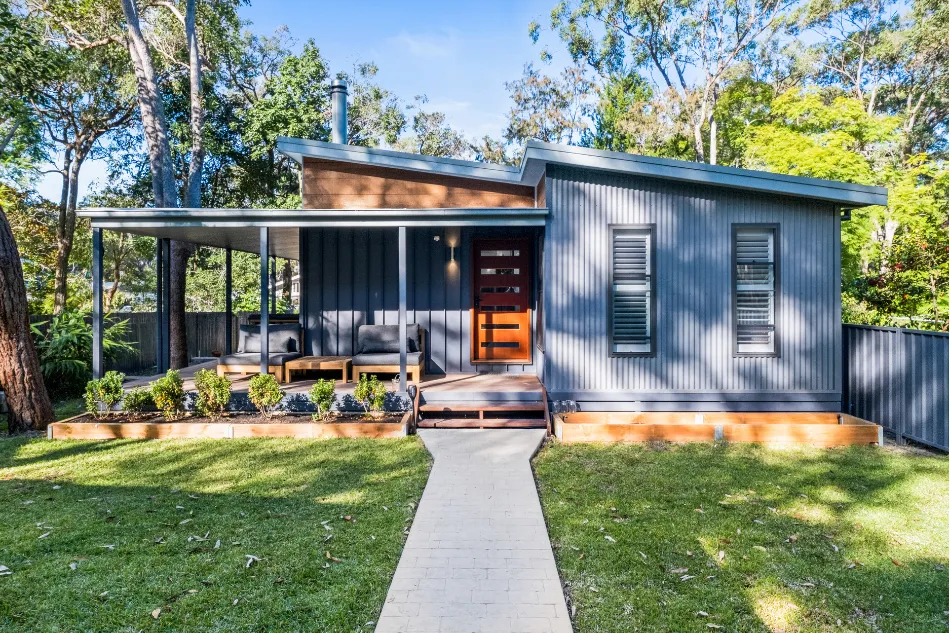
The story of coastal homes starts far from Australia, on the east coast of the United States. Think Hamptons—those elegant beachside homes built as retreats for New Yorkers looking to escape the city. These homes were designed for comfort and built to handle the sea air and strong coastal winds. They had timber cladding, big windows, and plenty of outdoor space for catching the breeze.
But coastal homes aren’t just Hamptons homes. Around the world, every coastal region has its own take—whether it’s the crisp whites of a Greek island villa or a laidback Aussie beach shack. What ties them together isn’t where they’re built, but how they feel.
The Real Features of a Coastal Home
So, if it’s not just about being near the beach, what actually makes a home coastal? Here are the big ones:
1. Lots of Natural Light and Space to Breathe
Big windows, open-plan layouts, and higher ceilings help create a sense of calm and connection. Coastal homes are designed to welcome the outside in. It’s about brightness, openness, and a natural flow from one room to the next.
2. Indoor Meets Outdoor Living
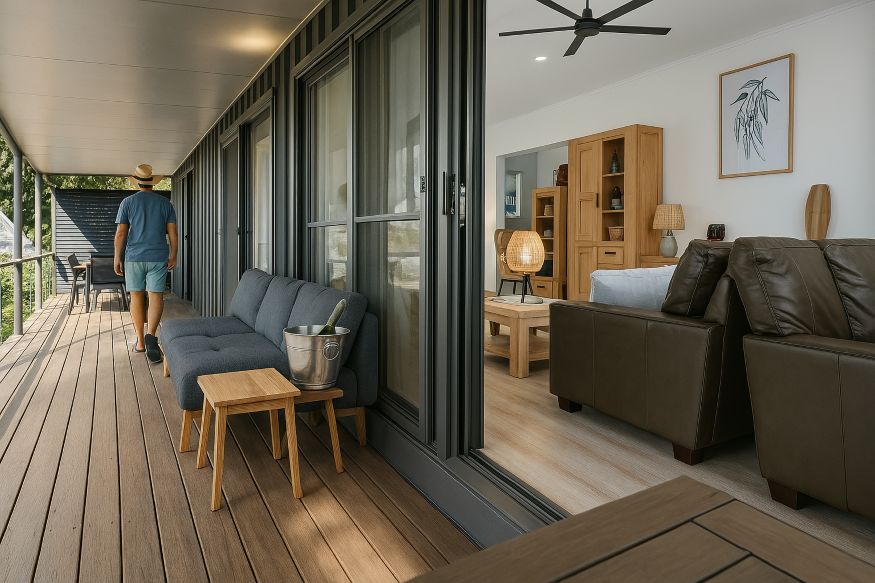
One of the hallmarks of coastal design is the blending of indoor and outdoor spaces. Whether it’s a wide deck, a shady verandah, or large sliding doors that open onto the garden, coastal homes make it easy to enjoy the outdoors.
3. Natural, Hardworking Materials
Think timber floors, stone surfaces, and weatherboard exteriors—materials that can handle sun, salt, and rain. These homes are built for the elements and designed to age beautifully.
4. A Soft, Natural Colour Palette
Coastal homes lean into colours that reflect the environment—creamy whites, soft blues, warm greys, and the pale beige of sand. The overall look is clean, calm, and timeless.
5. Built to Last in Coastal Conditions
A proper coastal home isn’t just about looks—it’s smart, too. Good design takes into account wind direction, sun exposure, and salt air. From elevated structures in flood zones to rust-resistant fixtures, these homes are made to weather the weather.
Clearing Up the Coastal vs. Hamptons Mix-Up
It’s easy to get the two confused—especially since the Hamptons look has taken off in Australia in a big way. But not all coastal homes are Hamptons, and not all Hamptons homes are truly coastal.
Hamptons style is a specific kind of coastal design. It’s a little more formal—think symmetrical facades, decorative mouldings, navy-and-white interiors, and traditional furniture. It’s elegant and polished, with a nod to classic American charm.
Coastal style, on the other hand, is broader and more adaptable. It could be minimalist and modern, rustic and relaxed, or somewhere in between. What matters most is that the design suits the location, the lifestyle, and the people living in it.
What Coastal Homes Look Like in Australia
Here in Australia, we have our own take on coastal design. And it’s shaped by our climate, our lifestyle, and our love for the outdoors.
You’ll see homes that use passive design to catch breezes and natural light, reducing the need for heating and cooling. You’ll notice wide eaves, covered decks, and outdoor areas that feel just as important as the indoors. Many designs use sustainable materials and energy-efficient systems to create homes that tread lightly on the environment.
Whether you’re living right on the coast or in a country town miles from the sea, that coastal feel is something more Australians are bringing into their homes—not just for the look, but for the lifestyle it encourages.
It’s Not Just a Look—It’s a Lifestyle
Here’s the good news: you don’t need ocean views to have a coastal home.
You can bring the feel of the coast to the suburbs, the bush, or even the city. It’s about how your home makes you feel—open, calm, connected. The secret lies in how you design it: letting in light, choosing natural finishes, and creating easy movement between spaces.
The coastal mindset is about relaxed, informal living. It’s about slowing down, breathing easier, and making your home a place where you want to spend time, no matter the weather or season.
Thinking About Building a Coastal Home?
If you’re drawn to the idea of a coastal home, start by thinking about your block of land. Where are the best views? How does the sun move across it? Can you position outdoor spaces to be usable year-round?
Also, think about your family’s lifestyle. Do you need multiple living areas? Is a big verandah or deck important to you? Do you entertain often, or want quiet spaces to retreat to?
Many Australian family couples who are smart about their investment in their family home—balancing style with long-term value—are turning to coastal designs for exactly these reasons. The flexibility, functionality, and timeless appeal make coastal homes a smart move both emotionally and financially.
Coastal homes are as versatile as they are beautiful. They can be customised to suit different landscapes, budgets, and styles. What matters most is that they feel natural—like they belong to the land and the people who live in them.
Final Thoughts: Coastal Is a Feeling
There’s no single definition of a coastal home. It’s not about ticking boxes or sticking to a theme. It’s about creating a home that feels open, connected, and easy to live in—where nature is part of the design, and comfort is never compromised.
For many Australian families, that’s the dream: a home that works with the environment, not against it. One that’s built for how we actually live, and one that’s designed to last through seasons, decades, and generations.
Looking for more ideas or wondering what your version of a coastal home could look like? Visit manor.net.au to see how other families are designing homes that bring the outdoors in and make everyday living feel like a holiday.