


More Than Just Plastic: What You’re Really Paying For
If you’ve ever looked at a quote for electrical work and thought, “Why does a power point cost that much? It’s just a bit of plastic on the wall!”—you’re not alone.
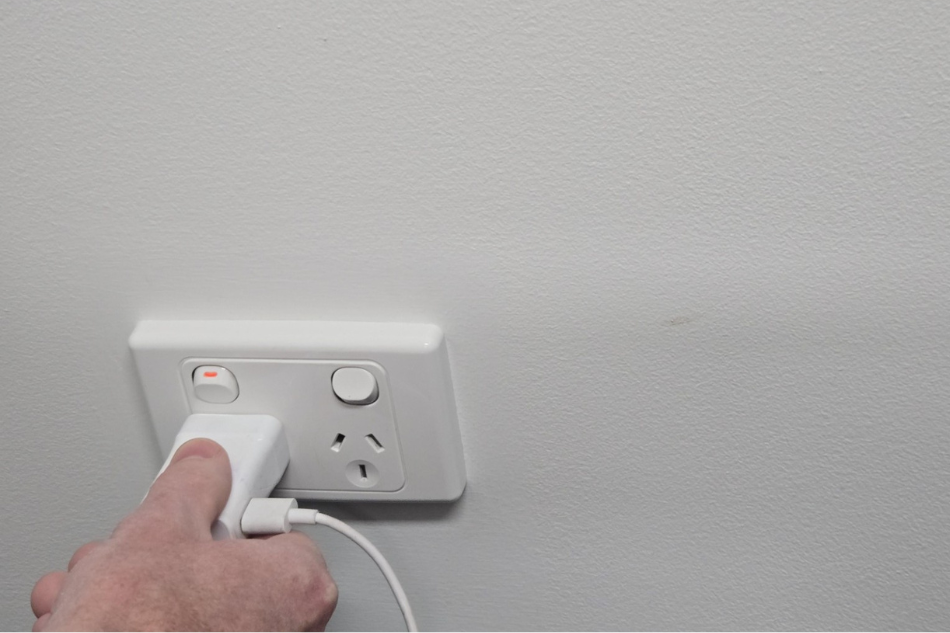
It’s a fair question. Power points look simple. They don’t seem high-tech or expensive. But when you understand what actually goes into installing one, it becomes clear: you’re not just paying for a plastic cover—you’re paying for what’s behind it.
Let’s unpack why a single power point can cost anywhere from $80 to $200, and why it’s money well spent.
It’s Not Just the Faceplate—It’s What’s Behind the Wall
Yes, the power point you see is made of plastic. But it’s what you don’t see that matters.
Every power point is connected to a carefully wired network that runs through your home’s walls. That includes:
- Properly insulated cabling
- Secure connections to your switchboard
- Circuit protection like RCDs and breakers
- Compliance with Australian safety standards (AS/NZS 3000)
These elements aren’t optional extras—they’re there to keep your home safe and your power reliable. And the materials alone aren’t cheap, especially when safety and quality come first.
Skilled Labour That Keeps You Safe
Installing a power point isn’t a DIY job. Only a licensed electrician can legally do the work in Australia, and with good reason.
- Electricians don’t just screw in a socket—they:
- Plan the best circuit for the load
- Safely run wiring through walls or ceilings
- Seal and secure the fitting correctly
- Test the installation
- Provide a compliance certificate
They’ve trained for years, keep up with evolving codes, and carry insurance and liability to protect your home. So when you’re quoted $100 or more for a power point, remember—you’re paying for more than time. You’re paying for expertise and accountability.
It’s why many Australian family couples who are smart about their investment in their family home are happy to prioritise quality installation early on—knowing it adds long-term peace of mind and practical value.
Not All Installations Are Equal
Where the power point is going makes a difference too.
A standard outlet on a plasterboard wall is pretty straightforward. But if it’s going into solid brick? Or needs to be mounted high, behind a wall oven, or outdoors? That takes more time, tools, and careful installation to meet safety codes.
Outdoor power points, for example, must be weatherproof. That means watertight fittings, extra sealing, and proper placement—all of which add to the labour and material costs.
Long-Term Value in Everyday Use
It’s easy to focus on the upfront cost—but what about the value?
A well-planned power point layout means fewer extension cords (and fewer tripping hazards), more convenience, and safer rooms. Whether you’re setting up a home office, charging the kids’ devices, or wiring in outdoor lighting, the right power points in the right places make your home more liveable.
This is especially true for homeowners who care about both design and durability—people who see smart infrastructure as part of a stylish, functional space that works for the whole family.
If you’re building or renovating, taking the time to follow a structured planning guide—like these seven steps to building your home—can help you map out your electrical needs early and avoid future hassle.
So, Why Does a Power Point Cost So Much?
Because it’s not about the plastic.
It’s about the materials behind the wall. It’s about licensed professionals doing skilled, safe work. It’s about compliance, testing, and peace of mind. And it’s about investing in the kind of home that works better for your family—day in and day out.
So the next time someone says, “It’s just a plastic fitting”, you’ll know better. What you’re really paying for is everything that makes that power point work—safely, reliably, and exactly where you need it.
Planning your dream home and want a building experience with no surprises?
Visit Manor Homes to explore thoughtful home designs built for modern Australian families.