


The Most Important Feature You’ll Never See
When you’re building a new home, most of the choices you make are things you can see—tiles, tapware, vanities, layout, colours. It’s all about creating a space that reflects your family’s lifestyle and style. But there’s one part of the home that’s just as important, even though you’ll probably never lay eyes on it once the house is complete: wet area waterproofing.
Hidden under your bathroom and laundry tiles, waterproofing does a job that’s not flashy, but essential. It’s what protects your home from water damage if anything ever goes wrong. And let’s be honest things go wrong sometimes. Tiles can crack, grout can wear, and life can get messy. When that happens, it’s waterproofing that saves you from costly repairs and structural headaches, however, a waterproofing mistake can impact a home’s integrity.
What Wet Area Waterproofing Actually Does (And Doesn’t Do)
Let’s clear this up. Wet area waterproofing doesn’t stop water from getting through a cracked tile or damaged grout. That’s not its job. Its job is what happens next.
Picture your bathroom floor as a shallow sealed tray. On top, you’ve got your tiles. They look great. They’re tough, but not invincible. Over time—whether it’s from a dropped shampoo bottle or just wear and tear—water can find its way through tiny gaps. When it does, waterproofing steps in.
It catches that water underneath the tiles, holds it in place, and stops it from seeping down into your floor structure—whether that’s timber, concrete or anything else. That gives you time to spot the issue, fix the grout or replace the tile, and get on with life. No rot. No swelling. No mould. No costly rebuilds.
It’s Not About If—It’s About When
You might be thinking, “That won’t happen to us.” And maybe not right away. But every home experiences movement. Tiles flex. Grout dries out. Showers get a workout. And over time, those little things add up.
The waterproofing in your new home isn’t there because the builder expects failure—it’s there because life happens. It’s your last line of defence. Without it, the smallest leak can slowly eat away at the structure of your home, hidden from view until the damage is done.
That’s why Australian family couples who are smart about their investment in their family home based on both style and value see waterproofing as a must-have, not just a nice-to-have. They treat it with the same care they give to every other element of their new home.
Where You’ll Find Wet Area Waterproofing in a New Home
In a properly built new home, wet area waterproofing is applied in all the zones where water is frequently used or could overflow. That usually means:
- Bathrooms and ensuites – around the shower, bath, floor area, and vanity splashbacks.
- Powder rooms – especially when a floor waste is installed.
- Laundries – around washing machine taps, troughs, and anywhere there’s drainage.
The actual application happens early in the home—after the plasterboard but before the tiles go on. It’s a careful process involving multiple coats or sheets, priming, sealing joins before the next stage begins.
And yes, it’s all done to strict standards, including AS 3740 – Waterproofing of Domestic Wet Areas, part of the National Construction Code. But more than ticking boxes, it’s about doing the right thing for the home—and the people who live in it
What Makes a Good Waterproofing System?
Not all wet area waterproofing is created equal. In Australia, builders use two main systems—liquid membranes and sheet systems. Both work well when installed correctly. What matters most is that:
- It allows for building movement without tearing
- It’s applied by licensed professionals
- It seals every critical point—drains, corners, wall-to-floor joins
Done properly, waterproofing creates a watertight layer that contains and redirects any water that sneaks through the surface.
What Happens If It’s Not Done Right?
When waterproofing is rushed or missed entirely, the risks go far beyond surface leaks. You could end up dealing with:
- Timber rot or swelling in subfloors
- Water absorption in concrete slabs
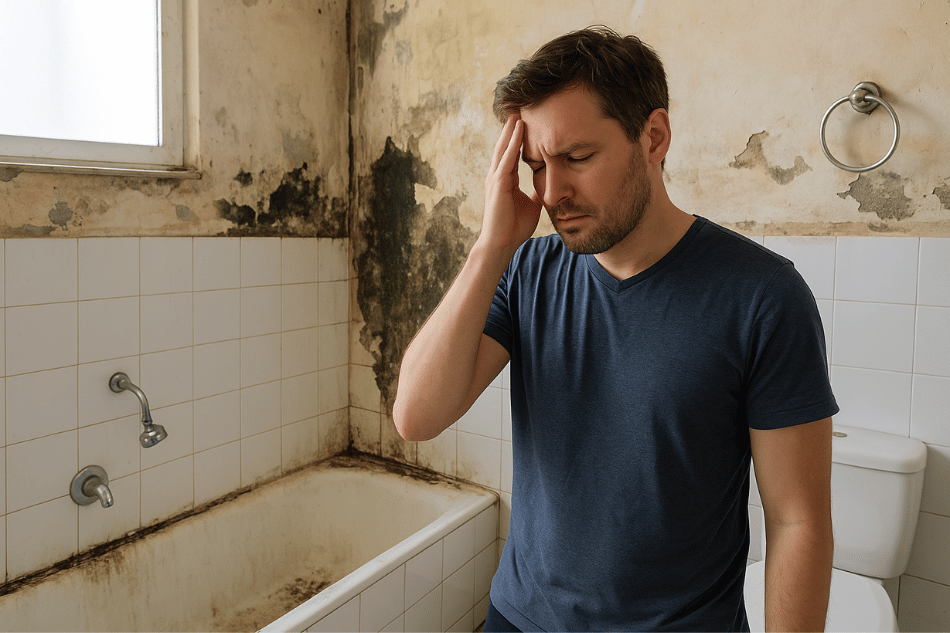
- Mould behind walls and under tiles
The worst part is, these problems often remain hidden until major damage is done. That’s why couples who approach designing their family home with a smart eye for both style and long‑term value take the time to understand what’s under the tiles—not just how they look, but how they’re protected. You can learn about how we include waterproofing in our standard inclusions for every home.
The Layer That Works Best When You Forget It’s There
Here’s the thing about wet area waterproofing: if it’s done right, you’ll probably never think about it again. And that’s exactly how it should be.
It’s the quiet layer that keeps your new home strong. The one that buys you time when something fails. And the reason your bathroom, ensuite or laundry stays a safe, functional part of your home—long after the house is done.
Planning your new home?
Choose the details that matter, even when you can’t see them. See how we approach smart, future-proof home design at Manor Homes.