

One of the biggest things holding some buyers back from modular homes has nothing to do with quality, design or finishes.
It’s the picture they’ve already got in their head.
For a lot of Australians, especially older buyers, the word modular still brings up memories of old transportables, classrooms and basic temporary buildings. So when they picture a beautiful family home with premium finishes, elegant bathrooms, a stunning kitchen and a warm, high-end feel, they often put that idea in one category and modular in another.
That’s where they get it wrong.
Because modern modular homes aren’t defined by those old assumptions. And more importantly, a home doesn’t become less refined, less beautiful or less luxurious just because it uses modular construction.
In fact, many Australian family couples who are smart about their investment in their family home are already moving past that outdated thinking. They’re looking less at old labels and more at what actually matters — design, quality, comfort and the finished result.
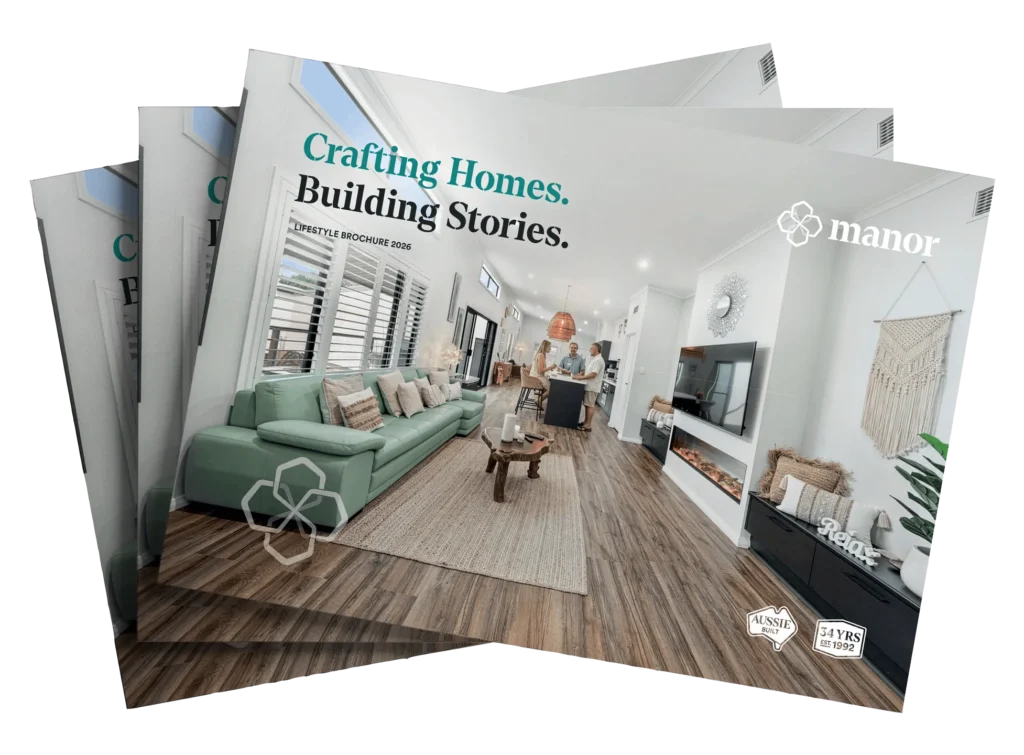
At Manor, that way of thinking makes perfect sense to us. A home is never just a structure. It’s where life happens. It’s where families gather. It’s where the next season takes shape. That’s part of what we mean by Building Stories, Crafting Homes.
The old mental picture still shapes what buyers think
Most people don’t write modular off because they’ve carefully looked into it.
They write it off because of what they remember.
They remember transportable classrooms. They remember boxy temporary buildings. They remember structures that were practical, but not exactly warm, polished or special.
So later in life, when they start thinking about building a beautiful family home, they often put that idea in one category and modular in another.
That’s where the issue starts.
The assumption feels natural. But it’s still just an assumption.
And for a lot of buyers, it’s an old assumption that’s been carried forward from another time.
What changes when people walk through a modern modular home
This is often the turning point.
A couple comes through a display home. They’re interested, but cautious. They know what they want. They’re not chasing the cheapest option. They want quality, comfort and a home that feels right.
They might be semi-retired. They might be planning their next chapter. They might be building what they expect will be their last major home.
They’re happy to spend money where it matters.
Still, there’s often a quiet question sitting in the back of their mind.
Will this really feel like a proper, high-quality home?
Then they walk through the display.
They see a kitchen that feels substantial. The benchtops have presence. The joinery feels solid. The colours work well together. The tapware looks refined.
Then they notice the bathroom. The vanity feels elegant. The finishes feel considered. The room feels calm and well resolved.
Then the rest of the home starts to do its work.
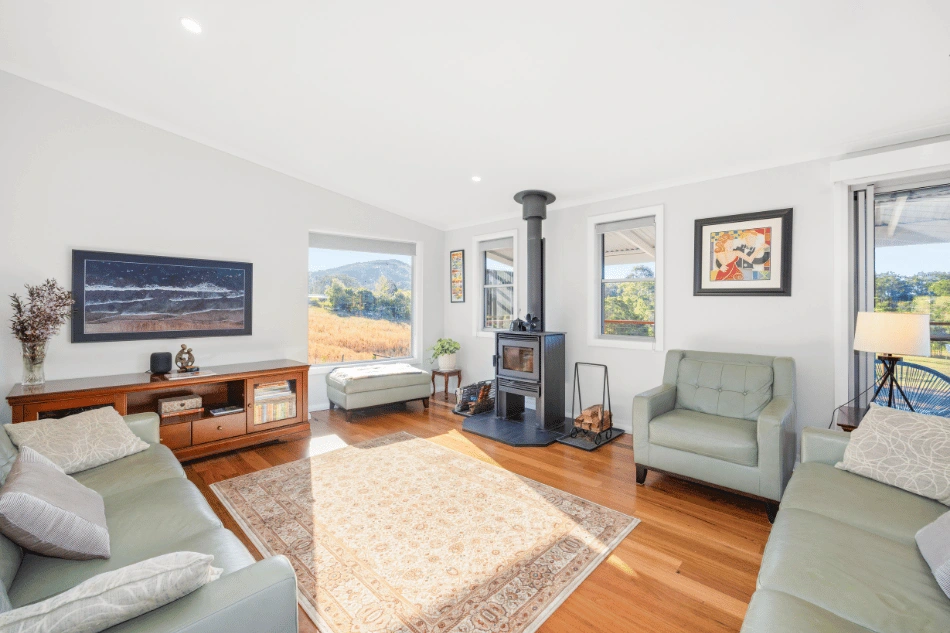
They notice the natural light. The warmth of the materials. The flow between rooms. The proportions of the spaces. The way the home feels settled, welcoming and real.
That’s usually the moment the old assumption starts to weaken.
Not because someone argued them into it.
Because the home itself made the point.
A high-end home is judged by quality, not labels
This is the key point.
A premium benchtop is still a premium benchtop.
Beautiful cabinetry is still beautiful cabinetry.
A refined bathroom is still a refined bathroom.
Quality flooring, elegant fittings and thoughtful lighting don’t lose their value because the home was built modularly.
That’s why the old prejudice doesn’t stack up very well.
Some people talk as if modular construction automatically lowers the standard of a home. But that only works if you assume the building method somehow overrides the design, materials and finish.
It doesn’t.
What makes a home feel high-end is the quality of the result. It’s the design. The detail. The material selections. The liveability. The workmanship. The overall sense that the home has been done properly.
That’s true whether a home is built traditionally or through a modular process.
What luxury buyers are really looking for
Most buyers who want a more luxurious home aren’t simply looking for expensive items.
They’re looking for a certain standard.
They want spaces that feel good to be in. They want the kitchen to feel generous and capable. They want the ensuite to feel calm and polished. They want the flooring, colours and finishes to feel cohesive.
They also want the home to feel easy to live in.
That’s what a lot of people really mean when they talk about luxury.
It’s not always about flash.
More often, it’s about quality, comfort and confidence.
It’s about knowing you’ve invested well in a home that will serve you properly and feel good every day.
That’s exactly why old assumptions about modular need to be challenged. The things these buyers value most aren’t ruled out by modular design at all.
The hesitation is often emotional
This is worth saying plainly.
For a lot of people, resistance to modular isn’t mainly technical. It’s emotional.
They worry they may end up with something second-rate. They worry they may regret the decision. They worry other people may not understand the choice.
That hesitation is understandable.
Building a home is a major investment. People want to get it right.
But that’s exactly why real-life experience matters so much.
Once buyers step into a quality display home and see the result for themselves, the conversation often changes quickly. Instead of asking whether modular can ever feel luxurious, they start asking better questions.
They ask about inclusions. Layouts. Personalisation. Styles. Finishes. Site suitability. Process. Timing.
In other words, they stop focusing on the label and start focusing on the home itself.
That’s a much smarter way to judge any building option.
The better way to judge a home
A home shouldn’t be judged by an outdated stereotype.
It should be judged by what it offers.
Does it feel welcoming?
Does it feel well designed?
Do the materials feel right?
Do the kitchen and bathrooms have the standard you want?
Does the layout suit the way you live?
Does the home feel warm, practical and resolved?
Those are the questions that matter.
And when buyers start asking those questions, modular often looks very different from what they first imagined.
Why this matters for the next chapter of life
For many Manor buyers, building a home isn’t just another project.
It’s a meaningful next step.
It might be the home where grandchildren come to stay. The home where family gathers more often. The home where comfort, practicality and beauty come together in a more complete way.
These buyers aren’t looking for something cheap and temporary.
They’re looking for something lasting.
They want a home that reflects the life they’ve built and the standards they’ve developed along the way. They want quality where it counts. They want a home that feels calm, welcoming and beautifully done.
That’s why it matters to challenge the old assumption that modular sits in a lower category.
Because once that assumption falls away, buyers are free to judge the home for what it actually is.
And that’s when things become clearer.
A fresh look can change everything
A lot of people still think modular means basic because they’re judging it through the lens of the past.
But once they step inside a thoughtfully designed modern home and experience the finishes, fittings, comfort and overall feel for themselves, that old lens starts to lose its hold.
More buyers are already reaching that point. They’re realising that modern modular homes can be beautiful, refined and genuinely high-end.
At Manor, we believe homes should be judged by the way they live, feel and serve the people inside them. That’s part of what it means to be Building Stories, Crafting Homes.
Because in the end, what luxury buyers often get wrong about modular homes isn’t a small detail.
It’s the assumption itself.
See the difference for yourself
If you’re considering a new family home and want to see what modern modular really feels like, visit a Manor display home and experience the quality for yourself.