


How to Cope With Downsizing Your Home (Without Beating Yourself Up)
If you’ve been thinking about downsizing your home, you’ve probably had the same chat in your head on repeat.
“We should do it.”
“We need to do it.”
“But… how?”
Because it’s not just a change of address. It’s sorting through decades of furniture, tools, photos, kids’ stuff, and keepsakes. It’s wondering where the family will stay when they visit. It’s also the quiet pressure of keeping up with the Joneses.
If that’s you, here’s the first thing to know. You’re not alone. And you’re not being ridiculous. Downsizing is hard because it’s practical and emotional.
This isn’t here to tell you that you must downsize. Plenty of people don’t. That can be the right call. This is about how to downsize if you want to. It’s also about making the process feel lighter.
Because a house isn’t just a structure. It’s where life happened. It’s where memories were made. Building Stories, Crafting Homes is a reminder that your story still matters, even if the floorplan changes.
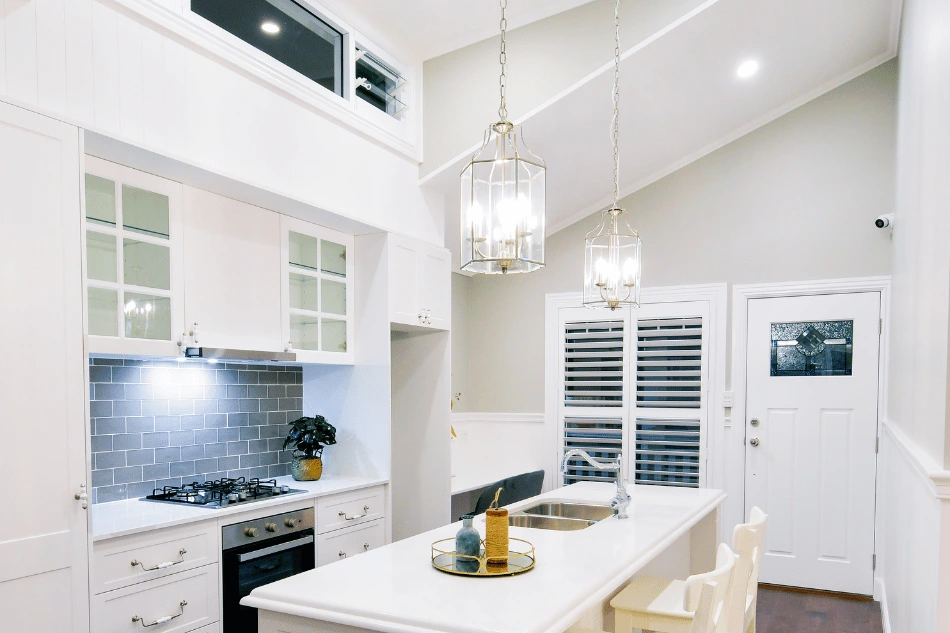
Downsizing your home feels hard for a reason
Most people think downsizing is just about space. In reality, three pressures usually pile on at once.
The “stuff” pressure
You’ve collected a lifetime of things. Some is useful. Some is valuable. Some is sentimental. A lot is just… there.
So the thought of sorting it all can feel like climbing a mountain.
The “family” pressure
A common worry is: “If we move somewhere smaller, how do we host everyone?”
Christmas. Grandkids. Visitors. The spare room. The big family lunch.
The “Joneses” pressure
This one’s real, even if no-one says it out loud. Pride and identity can be tied to the family home.
You might worry what people will think. Or that a smaller place looks like going backwards.
If you feel any of that, it doesn’t make you shallow. It makes you normal.
A quick reframe: you don’t have to downsize “all the way”
A lot of stress comes from imagining one extreme. Big family home to tiny unit.
But that’s not the only option.
Think in terms of right-sizing. You choose the level.
For some people, right-sizing means:
- fewer unused rooms
- less maintenance
- a layout that’s easier to live in
- better storage and flow
- being closer to what matters
For others, it means staying put. But they change how the home works day to day.
So the goal isn’t “small”. The goal is simpler.
Step 1: Get clear on why you’re considering downsizing your home
Before you touch a cupboard, get your reason straight. Keep it short. One or two sentences.
For example:
- “We’re sick of maintaining rooms we don’t use.”
- “The stairs are becoming a hassle.”
- “We want a home that’s easier to run and manage.”
- “We want more time and energy for family life.”
Next, write down three non-negotiables for the next stage. These are the things your next home must support.
Common ones are:
- single-level living (or fewer stairs)
- good storage
- space for hobbies
- a usable outdoor area
- one flexible room for guests
- location close to services or family
This matters because it keeps you anchored. It’s often the point where Australian family couples who are smart about their investment in their family home stop chasing “what we’ve always had” and start choosing what actually helps day to day.
Step 2: Solve the “where will everyone stay?” worry with a plan
This fear stops a lot of people. It’s also very fixable.
Here’s the honest truth. Many homes are designed around a handful of big days a year. Not the other 355 days.
That doesn’t mean you stop hosting. Instead, you host smarter.
Option A: Keep one flexible guest space
Instead of multiple spare rooms, have one room that works every day.
- a study that becomes a guest room
- a multipurpose room with a sofa bed
- a room that’s storage plus occasional sleeping
Option B: Host in the living zones
You don’t need bedrooms to host well. Many families prioritise:
- a great kitchen and dining area
- a comfortable lounge
- a proper outdoor/alfresco setup
- a second toilet (small detail, big impact)
Option C: Plan for overflow
As families grow, it’s normal to use:
- local accommodation
- caravans/campers
- rotating stays between siblings
- day visits plus shared meals
You’re not failing at family life if you don’t have four spare beds. You’re adapting.
Step 3: Make the process smaller than your brain is making it
Downsizing feels crushing when it’s one giant task. So don’t treat it that way.
Break it into easy categories. Then build momentum.
Start with “easy wins”:
- duplicates (linen, towels, mugs, gadgets)
- expired pantry items
- old paperwork you don’t need
- the laundry cupboard
- obvious garage rubbish
When you knock off easy wins, you prove you can do it. That’s why Australian family couples who are smart about their investment in their family home often start with the boring stuff first. It builds confidence fast.
Use the 4-pile method
Every item goes into one of four piles:
- Keep
- Gift
- Sell
- Donate/Dispose
Then keep the piles moving. Especially donations. If the donate pile sits there, it becomes a new mountain.
A simple rule helps: set one day a week where donations leave the house. No debate.
Step 4: Handle sentimental items without turning it into pain
Sentimental items are where people freeze. That’s normal.
You’re not just deciding about an object. You’re deciding what it means.
So keep it practical:
Give yourself limits
Limits reduce decision fatigue.
- one memory tub per person
- one shelf per category
- one box of childhood items per child
When the box is full, you’re choosing the best. You’re not trying to keep everything.
Photograph what you can’t keep
A photo keeps the memory without keeping the object. It’s simple, but it works.
Try a “family pick day”
Invite kids or grandkids to choose what matters to them. You might be surprised what they actually want.
And if nobody wants something, that’s not rejection of you. It’s just reality.
Don’t start here
Do sentimental items later. Build momentum first. Then come back with more energy.
Step 5: Give yourself permission to take your time
Downsizing done in a rush creates regret. Downsizing done steadily creates peace.
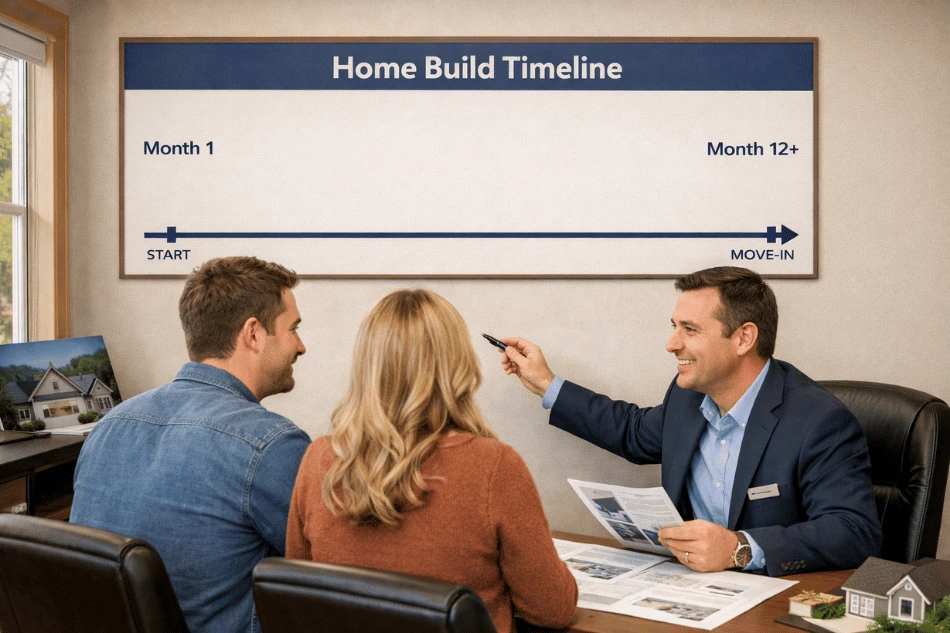
A simple timeline might look like this:
- Weeks 1–2: easy wins + duplicates
- Weeks 3–4: wardrobes + kitchen
- Weeks 5–6: garage/shed
- Weeks 7+: sentimental items + photos + paperwork
If you freeze, go back to an easy category for a week. You haven’t failed. You’re keeping yourself moving.
Step 6: If you don’t downsize much, you can still win
Sometimes the best answer isn’t moving. It’s managing what you already have.
If the home still suits you, but it feels heavy, you can right-size without changing address:
- re-zone unused rooms into practical spaces
- improve storage and organisation
- use a one-in, one-out rule
- outsource maintenance that drains you
- make small upgrades for comfort and safety
The goal stays the same. Your home should support your life. It shouldn’t demand constant effort.
That’s real living.
The bottom line: your pain is real, and you’re not behind
If downsizing feels hard, it doesn’t mean you’re weak. It means you’re dealing with something complex.
You’re allowed to:
- downsize a little
- downsize a lot
- take a middle path
- stay where you are and make it easier
- change your mind as you learn what fits
If you want one simple next step, pick one easy category this weekend. Linen, pantry, duplicates. Clear it out.
Not because you “have to”. Because it creates momentum.
And whatever you decide, you’re not losing your story. You’re choosing the next chapter. Building Stories, Crafting Homes.