


Australia’s housing market is tough. Prices are high, rentals are scarce, and families are looking for smarter ways to live. If you’ve got space in your backyard, adding a granny flat (or secondary dwelling) might seem like the perfect solution—whether for your adult kids, elderly parents, or a little extra rental income.
But can you actually do it?
The answer: maybe.
In NSW, building a secondary dwelling isn’t as simple as just picking a design and getting started. There are rules, regulations, and approvals to work through. Things like zoning, property size, planning overlays, and council requirements all play a role.
To break it down, let’s follow Allan and Shirley, an average Aussie couple, as they explore whether they can build a granny flat in their backyard.
Allan and Shirley’s Plan: A Home for Their Son
Allan and Shirley have lived in their half-acre suburban block for 20 years. They’ve raised their kids here, and now their son, Tom, wants to move out—but the cost of buying his own place is completely out of reach. Rather than see him rent forever or move to the outskirts of the city, they decide to build a self-contained granny flat in their backyard.
They’ve got space. They’ve got the motivation. Now, they need to figure out if it’s actually possible.

Step 1: Understanding the Rules
The first thing they do is look up the NSW regulations on secondary dwellings. They learn that, under the NSW Affordable Rental Housing SEPP (NSW Planning Portal), secondary dwellings are generally allowed in most residential zones—but there are key restrictions:
- The granny flat must be on the same land title as the main house (not a separate lot).
- It can’t be bigger than 60m² or a percentage (often 25%) of the size of the existing home already on the premises —whichever is smaller, although this can depend on the council LEP.
- There must be enough setback from property boundaries.
- The block must have proper access to utilities (water, sewer, electricity).
- So far, so good. Their property is big enough, and they think they’ll comply. But they also know that council rules can vary, so they need an expert opinion.
Step 2: Talking to a Builder Who Knows the Process
Rather than try to decode legal jargon themselves, Allan and Shirley reach out to a builder with in-house planning experts. The builder does an initial desktop review, checking council zoning maps, regulations, and overlays to see if their idea is possible.
- The builder confirms that on paper, it looks promising.
- But they’ll need a site inspection to make sure there are no hidden roadblocks—like drainage issues, heritage overlays, or easements that could throw a spanner in the works.
At this point, Allan and Shirley are like many homeowners who see the value in working with an experienced builder—not just for construction but for navigating the complex approvals process. They know it’s not the cheapest way to go, but they also know it’s worth it.
Step 3: The On-Site Inspection & Getting a Quote
A few weeks later, the builder’s representative arrives to assess the backyard. They check:
- Setbacks – making sure the granny flat won’t be too close to fences or existing structures.
- Access – ensuring there’s enough room for construction equipment.
- Land slope and drainage – spotting potential flooding risks.
- Property overlays – checking for restrictions like bushfire zoning or heritage listings.
After the visit, the builder gives Allan and Shirley a detailed quote and feasibility report. With everything looking good, they’re ready for the next step: council approval.
Step 4: Submitting a Development Application (DA)
Some properties in NSW qualify for Complying Development (CDC)—a fast-tracked approval process. But because of a minor site constraint, Allan and Shirley need to go through a full Development Application (DA) with their local council. Their builder pulls this all together and lodges it on their behalf.
This involves:
- Submitting formal plans (site layout, elevations, construction details).
- Addressing council concerns (like impact on neighbours or parking).
- Waiting for assessment—which can take up to three months or longer.
During this time, the builder works with them respond to council queries and tweak plans if necessary.
Step 5: Approval & Construction Begins
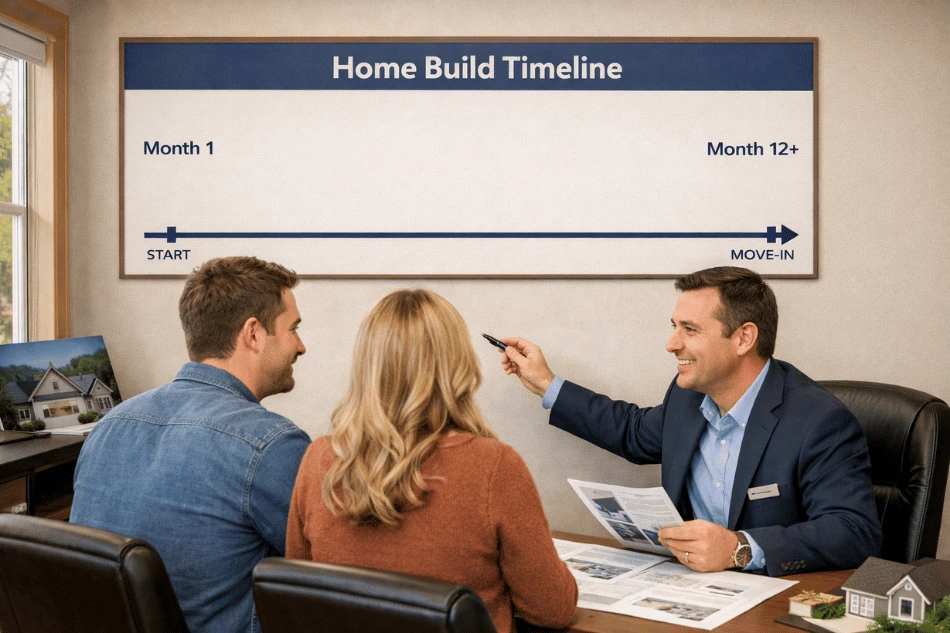
After five months of research, approvals, and planning, Allan and Shirley finally get the green light. Their builder schedules construction, and within a few months, Tom has a fully self-contained, modern granny flat—giving him independence while keeping him close to family.
Thinking About a Secondary Dwelling? Here’s What You Need to Know
Allan and Shirley’s experience highlights the key takeaways for anyone considering a granny flat:
- Check your zoning and local rules – Every council is different. Start with their website or visit the NSW Planning Portal.
- Work with an experienced builder – Someone who understands NSW regulations can save you months of headaches.
- Expect a 3–6 month process before construction – Planning takes time. Be patient.
- Be flexible – You may need to tweak your design to meet council requirements.
- Think long-term – A well-designed granny flat can boost your property’s value and offer flexibility for years to come.
So, Is It Worth It?
For many Australians, a secondary dwelling is a smart investment—whether to keep family close, generate rental income, or increase property value. But the planning rules in NSW are complex, and every property is different.
That’s why homeowners who want a smooth, stress-free process choose to work with builders who have in-house planning expertise. They recognise that while it may cost more upfront, the knowledge, experience, and time savings make it a worthwhile investment.
If you’re serious about building a granny flat, your best move is to start with research and expert advice. Check with your local council, talk to a builder who understands the process, and map out a clear plan before jumping in.
With the right approach, your backyard could become more than just extra space—it could be the key to better living.
For more insights on designing homes that fit the Australian way of life, visit Manor Homes.