

Designing a Home for Every Generation: How Multi-Generational Living is Helping Australian Families Stay Connected
In today’s world, more Aussie families are living together across generations. It might be adult kids moving back home to save for a house deposit, or ageing parents needing support nearby. Either way, sharing a home isn’t just a fallback plan anymore—it’s becoming a thoughtful lifestyle choice that brings real value to everyone involved.
With the cost of living rising and housing affordability under pressure—especially across New South Wales—multi-generational homes are offering something we all need: flexibility, connection, and smart use of space and land.
Many Australian family couples who are smart about their investment in their family home are now exploring this option—not only to help their children get a start in life, but to build homes that reflect their long-term goals and values.
Why Families Are Choosing Multi-Generational Living
In areas like the Central Coast and beyond, the idea of multiple generations living on one property is gaining ground. And it’s not hard to see why:
- Housing costs: Many young Australians are finding it tough to get into the property market. Living with parents—especially with a self-contained space—can help them save and plan for the future.
- Ageing parents: As older family members need more support, living close by offers peace of mind, without taking away their independence.
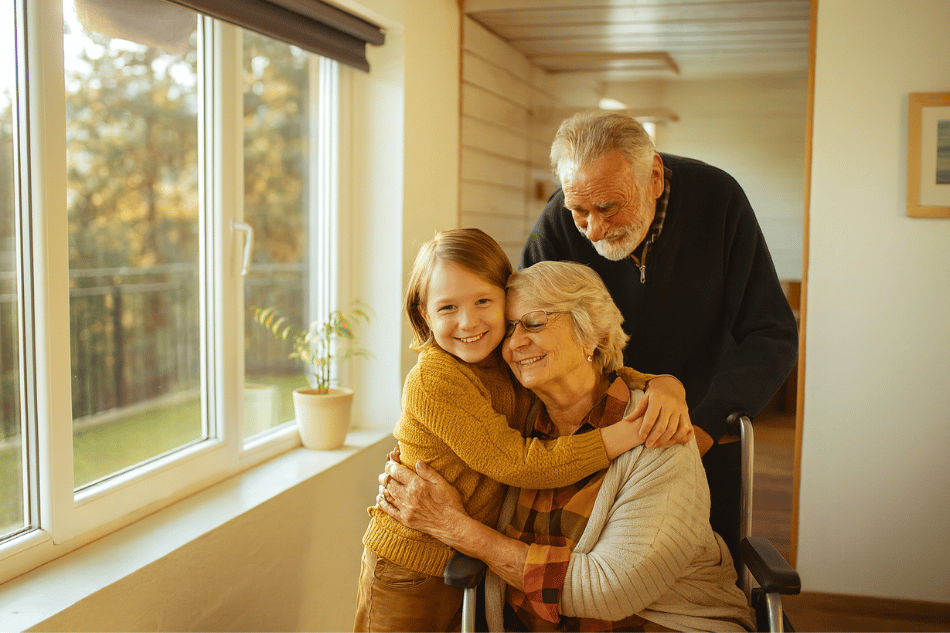
- Stronger family bonds: Being near loved ones—while still having your own space—means sharing life’s moments, from dinner at the table to helping with school runs or healthcare.
We’re seeing more families explore this option not out of necessity, but because it actually works. Done right, it’s a lifestyle that brings people together without stepping on each other’s toes.
What a Great Multi-Gen Home Looks Like
The secret to a successful multi-generational home is simple: make sure everyone has their own space and enough privacy, but with shared areas that bring the family together when it matters.
Here’s what that looks like in practice:
- Zoned layouts: Think of it like wings of a house, or dual pavilions—each with bedrooms, bathrooms, and sometimes a kitchenette. This gives both generations privacy and room to breathe.
- Separate entries: Having more than one front door isn’t just about convenience—it’s about fostering independence.
- Shared spaces: A common lounge or outdoor area can become the heart of the home, where the family naturally connects.
- Accessible design: For ageing parents, flat entryways, wider doorways, and future-ready bathrooms can make all the difference.
- Flexible design: Life changes—so your home should adapt. Modular layouts can be added to or tweaked over time.
The goal? A home that feels like one, but works for two (or more) households.
How Modular Homes Make It Easier
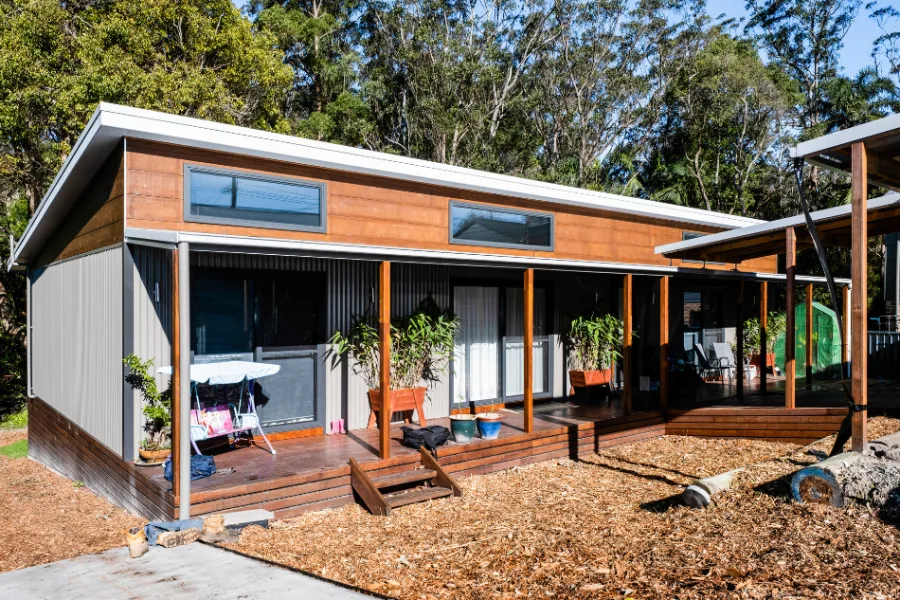
Modular and manufactured homes are changing how Australians build—and they’re ideal for multi-gen living.
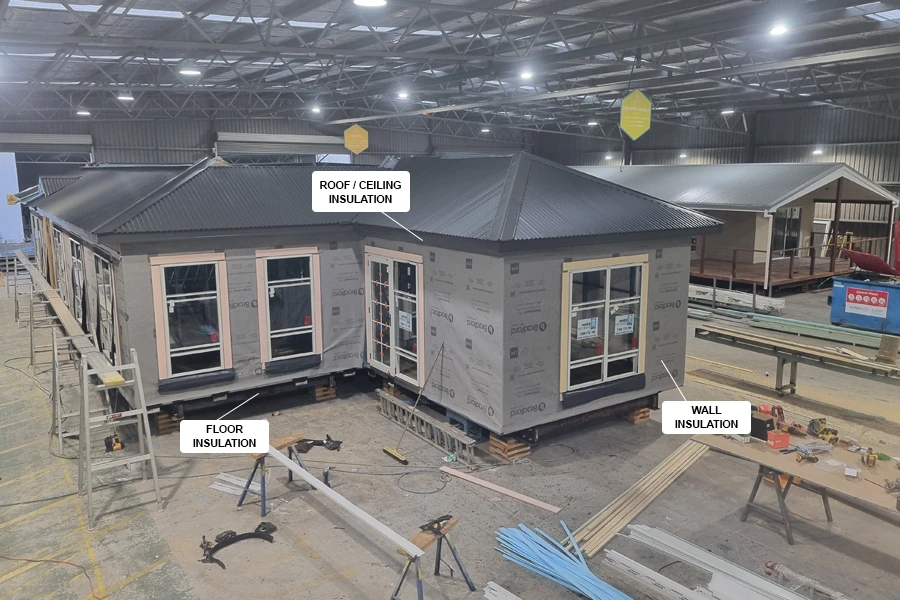
Instead of building everything on-site, a modular home is constructed in a factory and delivered to your block, ready to go. This method has a lot going for it, especially if you’re adding a secondary dwelling for family:
- Faster build time: There’s no waiting on weather delays or multiple contractors—your home is built off-site while your land is prepared.
- More flexibility: Whether you need a one-bedroom unit for ageing parents or a larger dual-living layout, modular homes are easily adapted.
- Less disruption: For families already living on the property, modular builds mean less mess and fewer surprises during construction.
- Better value: With clear pricing and efficient builds, families know what to expect.
If your goal is to support adult children or care for older parents, modular living can give you the space—and the speed—to make it happen.
How Families Like the Bridgers Are Doing It
Take the “Bridgers” for example—a growing group of Aussie families who are choosing multi-gen living as a proactive lifestyle choice.
In one scenario, a couple in their 50s invites their daughter and son-in-law to live on their lifestyle block. They help fund a modular home on the property so the younger couple can start their family and careers without the pressure of rent or mortgage repayments.
In another case, a couple in their 40s builds a secondary home for their ageing parents. This setup allows daily support and connection, but without anyone feeling like they’re living on top of each other.
It’s a move that more Australian family couples who are smart about their investment in their family home are making—with thoughtful layouts, shared goals, and a long-term view of what family life can look like.
More Than a Home: The Right Product, Process and People
At Manor, we often hear families say the same thing: “We want this to be simple and supportive—for all of us.” That’s why having the right home design is only part of the story. The other two parts? A smooth process and a team you can trust.
Here’s what really matters:
- The Product
Homes that are designed with sustainability and liveability in mind—built for Australian conditions, using smart materials and energy-efficient choices that save you money in the long run.
- The Process
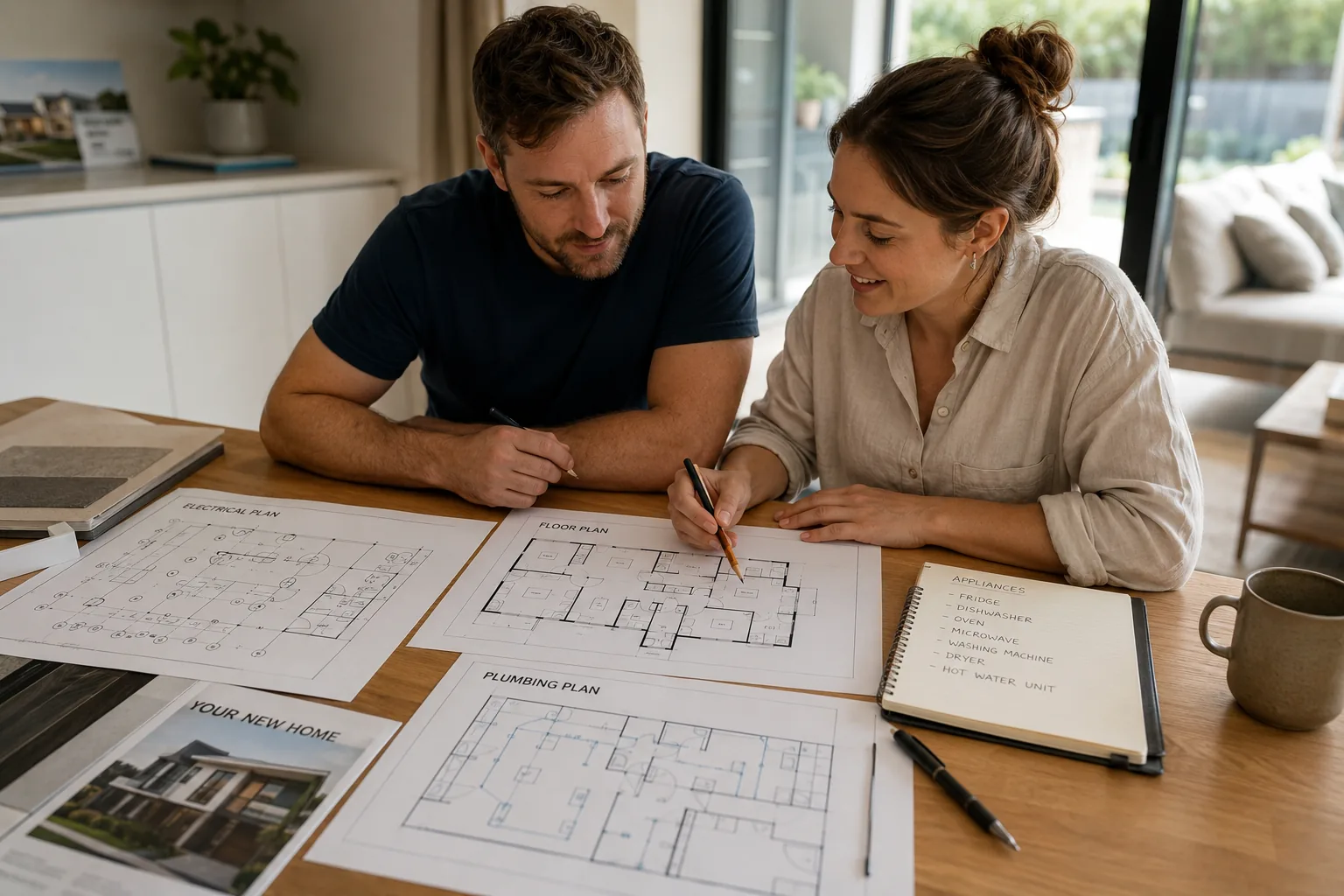
Building a home can feel overwhelming. But when the steps are clear, timelines are realistic, and communication is honest, it takes the stress out of it. That’s what a proven process should deliver—clarity and confidence for both generations.
- The People
A caring, experienced team that listens to what you need—without pressure or jargon. Families often come to us with questions, not answers. Our job is to help them find the right solution, together.
It’s this mix—product, process, and people—that makes multi-gen living work, not just in the build, but in the life you live after it.
A Few Things to Keep in Mind
If you’re starting to explore a multi-generational setup, it helps to ask the right questions early:
- How much space does each generation need?
- Who will own what, and how will the finances be handled?
- What happens if the family dynamic changes in five or ten years?
- Do local planning rules allow for a second dwelling on your block?
The good news is, in many parts of NSW, including the Central Coast, councils are supportive of secondary dwellings (often called granny flats or secondary homes). Just be sure to check zoning rules and speak with someone who understands the process.
The Heart of It All
In the end, a multi-generational home isn’t just a clever design solution—it’s about building a future where families support each other, stay connected, and live well.
It’s not always the easy path, but for many Australians, it’s the most meaningful one. And when the home is built to match your family’s vision, it’s a choice that brings lasting rewards.
Thinking About Multi-Gen Living?
If you’re starting to explore how a home can work for your whole family—young or old—it’s worth looking at what’s possible.
There’s more flexibility out there than most people realise. And with the right guidance, designing a home for two (or more) generations can be one of the best decisions you make.
Take the next step when you’re ready—explore the design possibilities at manor.net.au