

How a home is built can trigger a stronger reaction than many people expect. Plenty of buyers enquire about a new home, then pause when they realise it is modular. You can almost hear it: “Oh… it’s modular?” For some, that brings hesitation. For others, it brings mild disappointment. However, that is only one side of the story.
There is another group of people who react very differently. Once they understand what modular really means, or once they see the finished result, they become excited. Their eyes open up. They start leaning in. They ask better questions. In some cases, they say, “Wait… this is modular?”
That reaction matters just as much as the first one. If some people hesitate, while others get excited, something deeper is going on. The hesitation is often not about the home itself. More often, it is about an old assumption attached to the method.
Because yes, how a home is built does matter. But it does not always matter in the way people first assume.
Why How a Home Is Built Still Triggers Hesitation
A lot of people hear the word modular and jump to a conclusion. They assume compromise. They assume the home will be less impressive, less stylish, or somehow less real.
Yet that assumption often falls apart once they see the outcome properly.
When most people picture their future home, they are not picturing a construction label. They are picturing the way it looks from the street. They are picturing the front door, the kitchen, the living space and the floor plan. They are imagining how it feels to live there.
That is the key point.
People do not live in a construction method. They live in a result.
So when someone reacts to the word modular, it is worth asking a better question. Are they reacting to the home itself? Or are they reacting to an old mental picture that may already be out of date?
In many cases, the hesitation is strongest before they have seen what a modern modular home can actually be.
What People Really Judge in the Long Run
Long-term, people judge a home by human things.
Does it look good?
Does it function well?
Does it feel comfortable?
Does it suit the block?
Does it support family life?
Does it feel like somewhere you are proud to call home?
That is the real test.
Families do not spend years thinking about how the frame came together. Instead, they notice how the home feels in summer and winter. They notice whether the layout works. They notice whether the space feels practical, welcoming and easy to live in.
As a result, the long-term value of a home comes back to look, function, street appeal, comfort and performance.
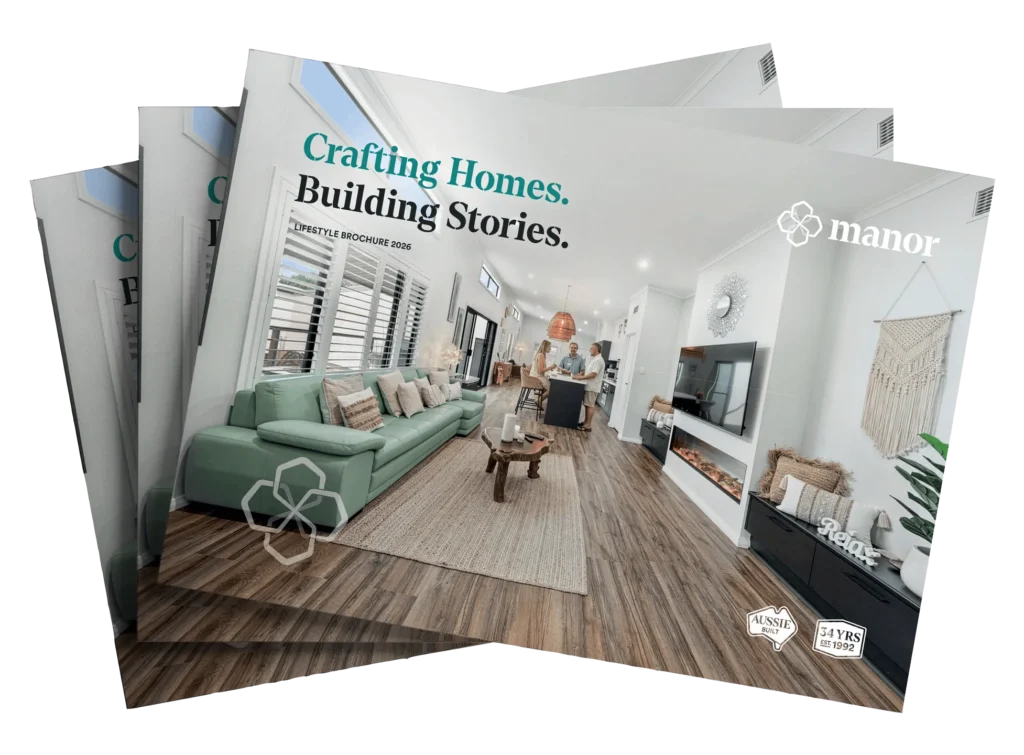
That is also why Manor’s brand essence matters here. Building Stories, Crafting Homes is about more than construction. It is about the life that happens inside the home. It is about quiet weekends, busy mornings, family dinners and the ordinary moments that become the story of a household.
That is what people are really building towards.
Why Some Buyers Move from Hesitation to Excitement
This is where things get interesting.
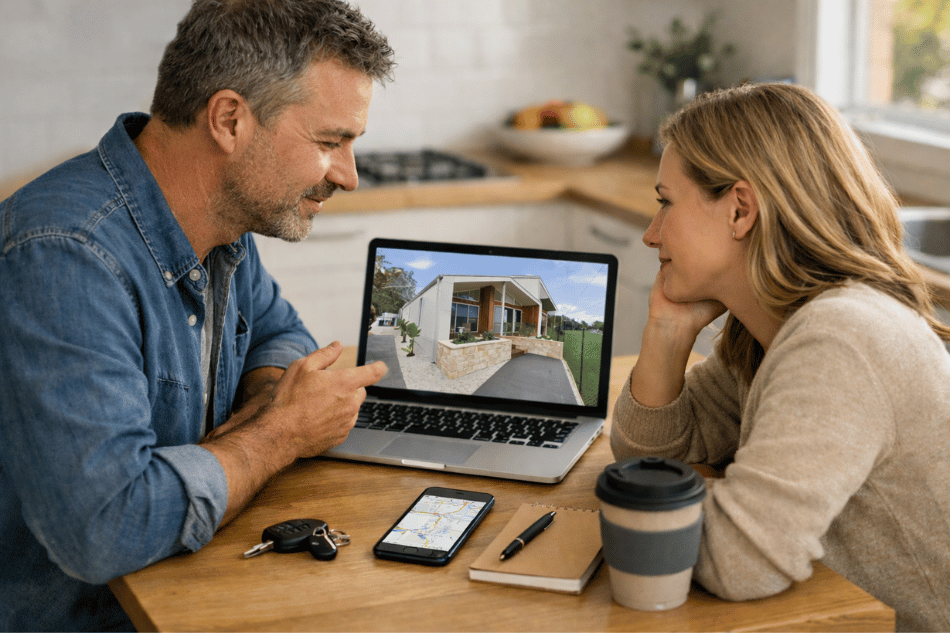
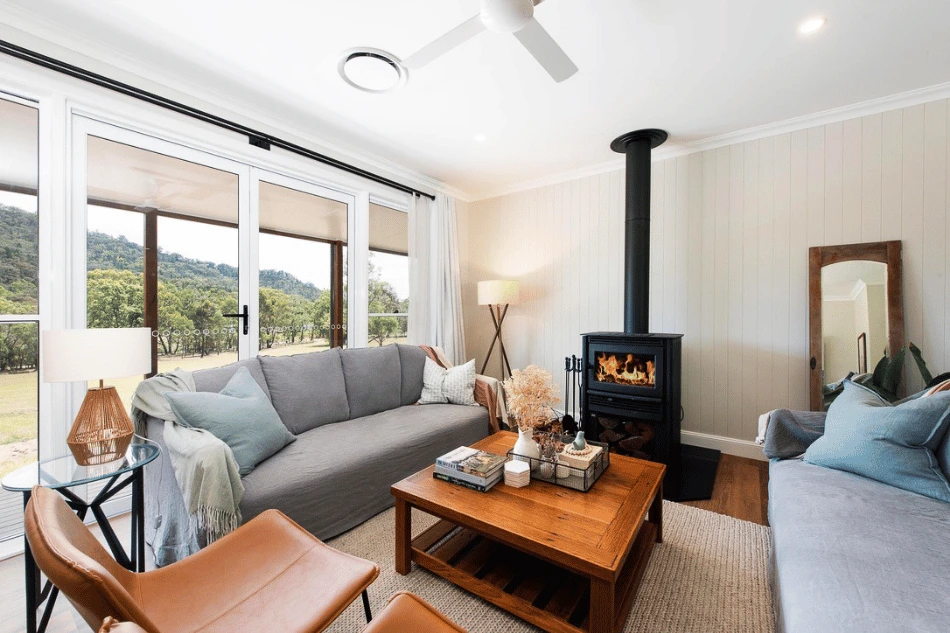
Many people hesitate at first. Then they see a display home, a design or a finished result. Suddenly, the reaction changes. They see good street appeal. They see quality finishes. They see a layout that works. They see a home that feels warm, practical and inviting.
Then the question changes too.
Instead of asking, “Is it modular?” they start asking, “Why would that be a problem?”
That shift tells us something important. The issue often is not the finished home. The issue is the assumption people carried into the conversation.
And that is why some buyers become genuinely excited. They realise modular does not mean compromise. In fact, it can mean a smarter path to the same outcome, or even a better one.
That is especially true for Australian family couples who are smart about their investment in their family home. Once they can see the real outcome, many of them look past the label very quickly.
Where the Build Method Really Matters
This does not mean the build method is irrelevant.
It absolutely matters.
However, it often matters most in the journey rather than the long-term living experience.
It matters in certainty. It matters in timing. It matters in how exposed the project is to weather, delays and site disruption. It also matters in how much of the build happens under controlled conditions.
That is where modular starts to show its strengths.
For many people, especially in regional and rural areas, certainty is a very big deal. Timing can be harder to manage. Trades can be harder to coordinate. Site access can create pressure. Costs can shift. Weather can interrupt progress.
In that setting, certainty is not a small bonus. It is a real advantage.
So the short-term side of this conversation matters as much as the long-term side. A construction method that brings more control, better timing and less unpredictability deserves serious attention.
Why Certainty Matters for Australian Families
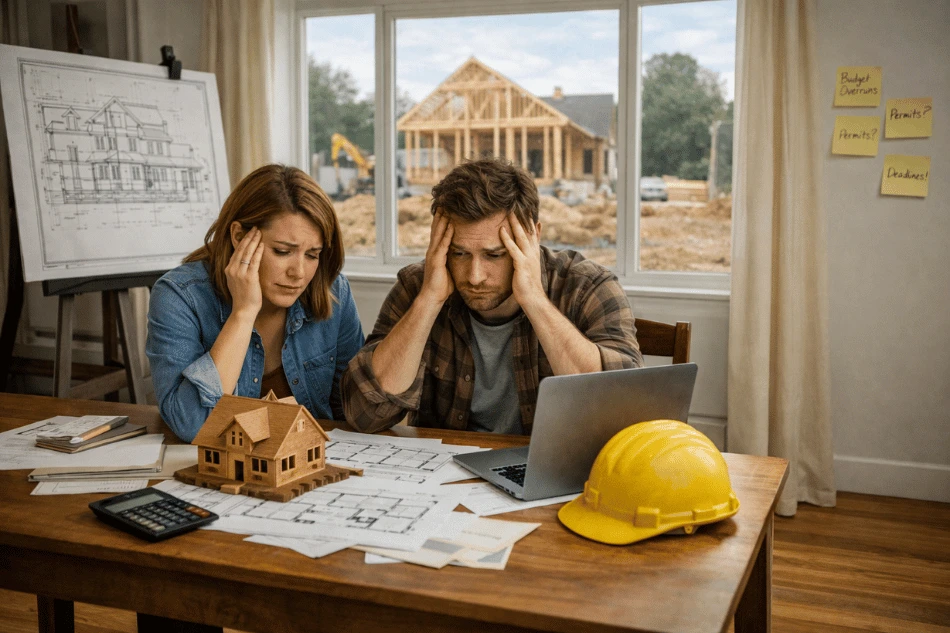
Anyone who has been around building knows the process can be stressful. There are many moving parts. Even a straightforward project can become messy when timing slips and costs start shifting.
That is why certainty matters so much.
People want confidence. They want a clear process. They want to feel that the build is moving forward properly. They do not want every week to bring another surprise.
This is one reason modular has become more appealing to many buyers. It can offer better process control and more certainty in the path to completion. It can reduce some of the unpredictability that often comes with building, especially when site conditions are difficult.
That does not mean every modular home is automatically better.
It does mean the method itself can bring real strengths when certainty, timing and control matter most.
And for plenty of families, that matters a great deal.
What Buyers Should Really Focus On
So what should buyers focus on?
They should focus on the things that actually shape daily life.
How does the home look?
How does it feel?
How does it function?
How well does it perform?
How naturally does it support the people living in it?
Those are the right questions.
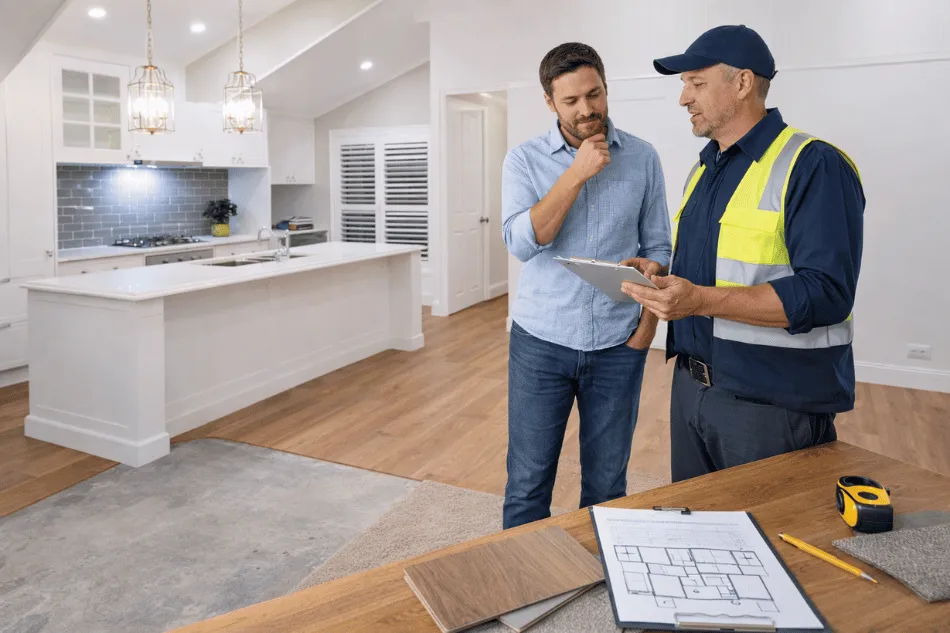
Of course, buyers should still ask smart questions about quality, compliance, structural integrity, performance, finishes and workmanship. They should also ask whether the builder has a clear and credible process.
But those are not anti-modular questions.
They are smart building questions for any family making a major investment.
That is why this topic needs a bit of myth-busting. Sometimes the market frames modular as the risky option, while on-site building is treated as the safe one by default. That is too simplistic.
A poorly managed home is still a problem, no matter how it is built. Likewise, a well-designed and well-executed home is still a strong result, no matter how it came together.
That is the bigger truth.
So, Does It Really Matter How a Home Is Built?
Yes, it does.
But mainly because it affects the path to the finished product.
It affects certainty. It affects timing. It affects how much of the journey is controlled and how much is left exposed to disruption.
What matters most once the keys are in your hand is something else.
How the home lives.
How it looks.
How it feels.
How it functions.
How it performs.
How well it supports your family.
How naturally it becomes part of your story.
That is the part people remember.
That is the part that shapes daily life.
That is the part that really matters.
And that is why Australian family couples who are smart about their investment in their family home often care more about the final living outcome and the certainty of the journey than an outdated label.
So perhaps the better question is not, “Should modular put me off?”
A better question is this: if the finished home gives you the lifestyle, comfort, function and appeal you want, and the process offers more certainty getting there, why dismiss it?
That is a smarter question.
And for many families, it leads to a much better answer.
Because in the end, most people are not trying to buy a construction method. They are trying to build a life.
They are trying to create a place that feels right, works well and becomes the backdrop to years of memories.
That is what homebuilding is really about.
Building Stories, Crafting Homes.