


How Builders Really Come Up With a Price (And Why It Matters More Than You Think)
Every family looking to build a home wants one thing upfront: a clear price. Not a vague ballpark, not a rough estimate—just the number. And when that number isn’t available straight away, it can feel frustrating. Shouldn’t the builder already know what it costs to build their own home?
It’s a fair question. But the truth behind how experienced builders come up with a price is not just more complex—it’s actually more reassuring. Because it shows you that the people behind your home aren’t guessing. They’re planning, preparing, and protecting you from surprises down the track.
And that’s where the real value lies.
The Myth of the Quick Quote
Let’s start with a common idea: the square metre rate. It’s one of the most repeated phrases in the building world. It helps buyers do quick sums, compare options, and get a sense of what’s possible within their budget. But here’s the catch—it’s not how homes are priced. Not properly, anyway.
Square metre rates are just one type of “rule of thumb”—a shortcut used to give a rough starting point. Others include cost per bedroom, percentage of land value, or broad material allowances. They can be useful early on to frame a conversation, but they’re never the full picture.
Many Australians assume builders should already have the exact cost of every design, with every option, in every location, ready to go. But that’s like asking a tailor to quote on a custom suit without knowing your size, fabric, or style. You wouldn’t expect a perfect fit from a guess—and the same goes for homes.
Behind the Numbers: How Builders Come Up With a Price
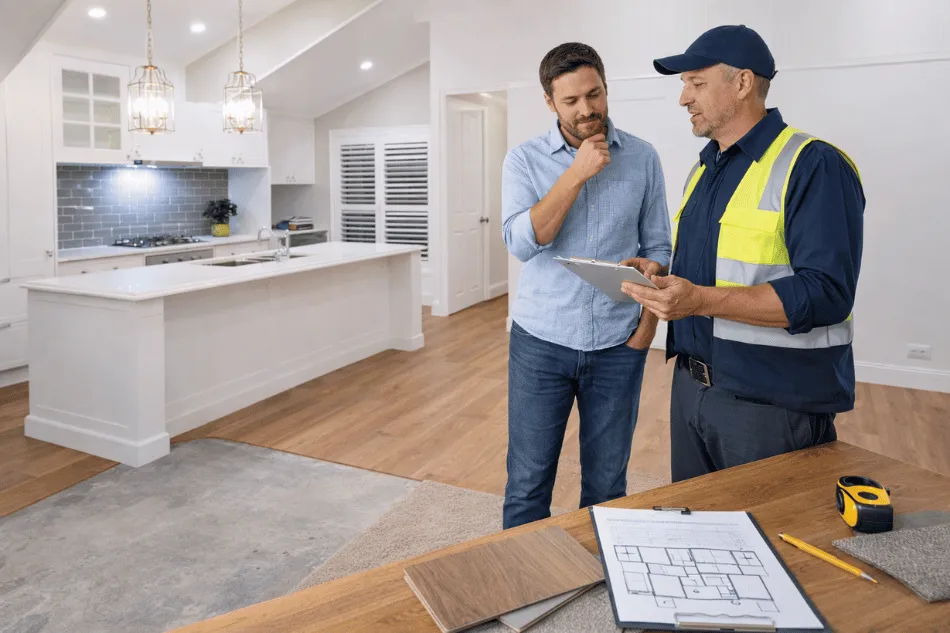
In the background of every serious home quote is a team of specialists—estimators, not salespeople—who are trained to pull apart every detail of your home and calculate what it will take to bring it to life.
These teams don’t work off a hunch. They use software platforms that draw on huge databases of real, up-to-date costs—everything from frames and cladding to benchtops and plumbing. They know what trades are charging in your region, what materials are in short supply, and what regulations might affect your design.
And these days, artificial intelligence is becoming a quiet but powerful part of the process. AI can now scan previous jobs, detect cost patterns, flag inconsistencies, and help refine estimates to be even more accurate.
It’s a long way from guesswork. It’s about precision.
Why It’s So Important to Get the Price Right
At the start of your home-building journey, rough figures and price ranges aren’t just helpful—they’re good practice. They give families like yours a clearer view of what’s typical in the industry, what others are spending, and where your budget might sit in relation to your ideas. This early alignment is crucial. It sets the tone for informed, confident decision-making.
But those early ballparks are just that—ballparks. The real value comes from progressive clarity. As you move through the design and selection stages, pricing should be refined step by step. That doesn’t mean it becomes more complicated—it means it becomes more accurate. The more defined your design, the more accurate the cost to build it becomes.
In fact, a detailed, formal quote later in the initial design process is not an extra—it’s a smart investment. It’s what transforms rough ideas into real plans. It brings confidence to both sides, ensures no surprises, and forms the basis of a smooth construction journey.
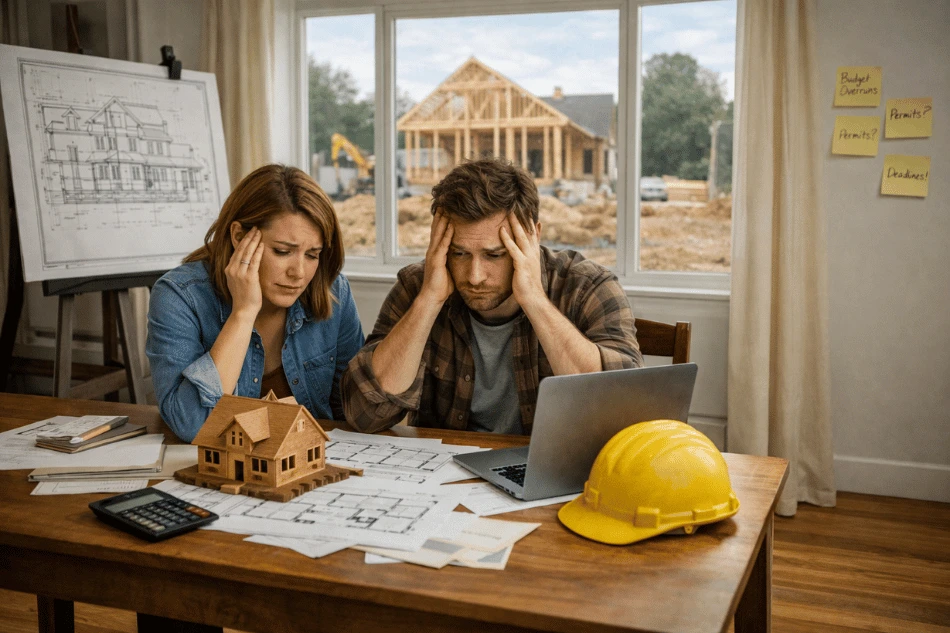
What doesn’t work is locking onto a rough number at the beginning and riding it all the way to contract. That’s where misunderstandings happen and budgets fall apart. But when a builder uses a structured, transparent approach—starting broad and steadily narrowing in—you’re not just being quoted. You’re being supported.
It’s an approach increasingly adopted by Australian family couples who are smart about their investment in their family home based on both style and value. They recognise that price is important—but only when it reflects the true scope of what’s being built, and the lasting value it brings.
What About the Margin?
At some point, the conversation often turns to builder’s margins. It’s a fair question—how much is going where?
Margins can sometimes be viewed with suspicion, but in reality, they’re about sustainability, not excess. They allow building companies to cover the essentials—like skilled staff, insurances, compliance, warranties, and the systems that support a smooth build. Importantly, they also allow room for innovation and steady improvement, which ultimately benefits every homeowner.
It’s not about inflating costs—it’s about ensuring the price reflects the real work required to deliver your home without shortcuts. A quote that’s too lean can look appealing at first, but it often leads to compromises later—either in quality, timelines, or customer support.
You don’t win by building with a company that’s under pressure to cut corners. You want a builder that’s steady, capable, and confident—able to deliver what they promise, stand by their work, and support you long after the keys are handed over.
This long-term view is why so many Australian family couples who are smart about their investment focus on overall value—style, certainty, and sustainability—rather than chasing the lowest number.
Not All Installations Are Equal
Where the power point is going makes a difference too.
A standard outlet on a plasterboard wall is pretty straightforward. But if it’s going into solid brick? Or needs to be mounted high, behind a wall oven, or outdoors? That takes more time, tools, and careful installation to meet safety codes.
Outdoor power points, for example, must be weatherproof. That means watertight fittings, extra sealing, and proper placement—all of which add to the labour and material costs.
It’s Not “Us vs. Them” – It’s Everyone In This Together
There’s a mindset shift that happens when you understand how pricing really works. Suddenly, the question isn’t “What’s the lowest number I can get?” but “What’s the right number for my home, my site, and my future?”
That’s the kind of thinking that leads to better outcomes. When pricing is accurate, it creates trust. It sets clear expectations. And it helps everyone—from the builder’s team to your own family—move forward with confidence.
So next time you’re looking at a quote, take a breath. Know that if it’s been done properly, there’s a lot of thought behind it. A lot of care. And a lot of experience, working in your favour.
After all, when it comes to building your home, precision isn’t a luxury—it’s the foundation.
To understand more about how experienced builders get quoting right—and how that sets you up for a smoother journey—visit www.manor.net.au.
For helpful context on building contract standards, visit Fair Trading NSW.
To explore indicative housing costs across Australia, see the Housing Industry Association’s economic data.
Building Stories, Crafting Homes.