

Modular Homes Australia: Why They Should Be the New Normal
Let’s be honest—Australia has a housing problem. Prices are up, timelines are blown out, and too many families are stuck waiting for homes that feel further out of reach than ever before. We can’t just keep blaming the economy or building codes. If we want real change, we need to look at how we build—and start asking why we’re still doing things the same way we always have.
Because while we’re stuck in old habits, countries overseas have moved on. Modular homes aren’t some quirky side-option over there. They are the norm. And it’s time they became that here too.
A Fresh Perspective from Overseas
Take the Netherlands. Modular homes there aren’t seen as experimental—they’re just smart. Builders like Jan Snel are delivering beautiful, long-lasting homes using modular methods, because they’re faster, cleaner, and more efficient. Germany’s doing the same. Companies like Huf Haus combine precision engineering with stunning design, and the result? Homes that look great, perform better, and are delivered in a fraction of the time.
These countries aren’t playing catch-up. They’re leading. And it’s not because their governments told them to. It’s because their industries stepped up, saw the opportunity, and started delivering better homes, faster.
Meanwhile, back in Australia…
We’ve got plenty of reports and roundtables telling us modular is the future. We’ve got politicians talking about it. But we’re still treating modular homes Australia-wide like the odd ones out—as if building a home offsite somehow makes it less of a home.
However, according to prefabAUS — the peak body for Australia’s off-site construction industry — modular makes up just 8 per cent of construction.
That’s crazy.
The reality is, building the same way we did 50 years ago won’t solve today’s problems. We’re short on tradies. We’re short on time. And most of all, we’re short on patience. Modular homes could be part of the answer—but only if we let them.
And while governments are starting to support it—with faster approval pathways and pilot programs for social housing—the truth is, innovation rarely starts at a policy desk. It starts with builders, designers, and homeowners who are willing to do things differently.
What’s Holding Us Back?
It’s not the technology. It’s not the materials. It’s culture. In Australia, we’ve got this deeply rooted idea that a “real” home is built brick by brick, on the land, over many months. That anything offsite is somehow second-rate.
But that’s just a story we’ve told ourselves.
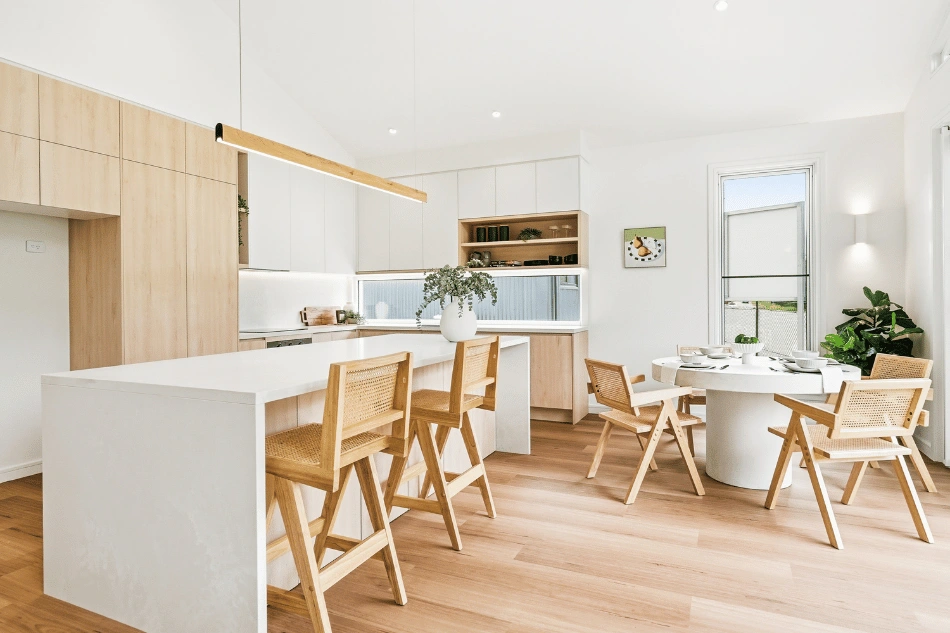
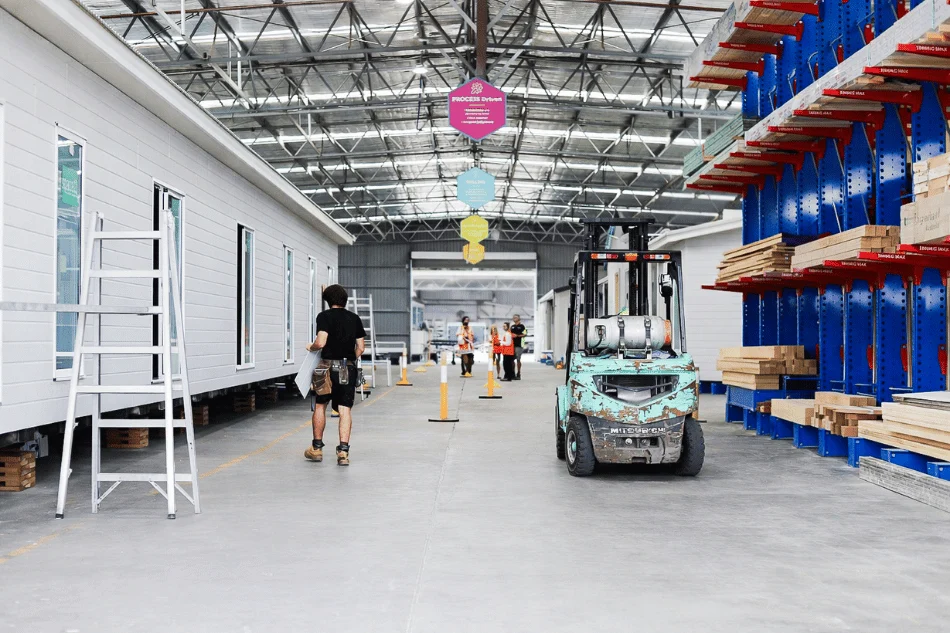
In truth, modular homes can be just as high-quality—if not better—than traditional builds. They’re created in controlled environments, meaning less weather damage, less human error, and way less waste. And with the right design, they can look every bit as stunning and personal as anything built on-site.
So Why Should Families Care?
Because modular could mean:
- Moving in sooner. We’re talking weeks, not years.
- Saving money. Factory-built means less waste, fewer delays, and more predictable pricing.
- Feeling confident in the quality. Every part of your home is crafted with consistency and care, often using cutting-edge sustainability practices.
If that sounds like a trade-off, maybe it’s time to rethink what we expect from a home.
For many smart Australian family couples—those focused on making a good investment without compromising on either style or long-term value—modular homes are increasingly part of their shortlist. They see it not as settling, but as outsmarting the system.
It’s Already Happening—Just Not Loud Enough
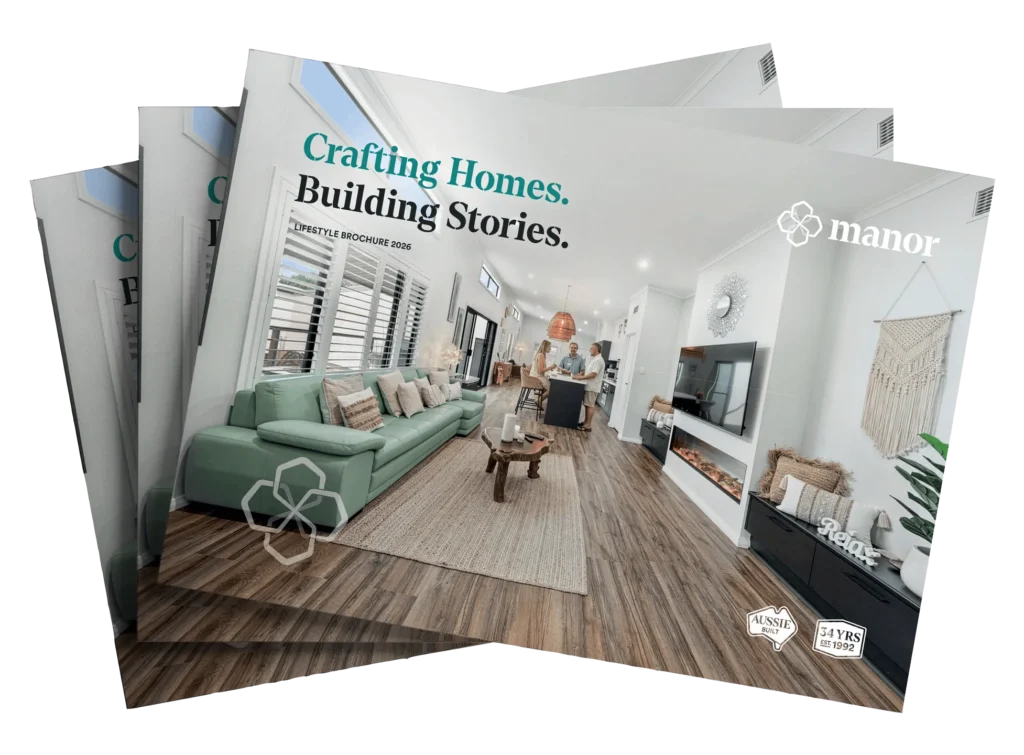
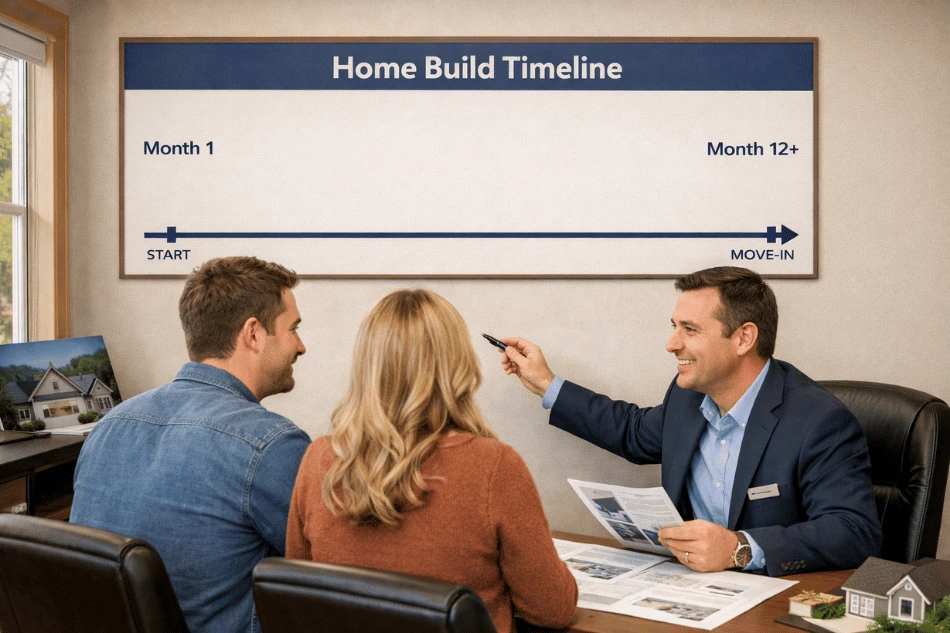
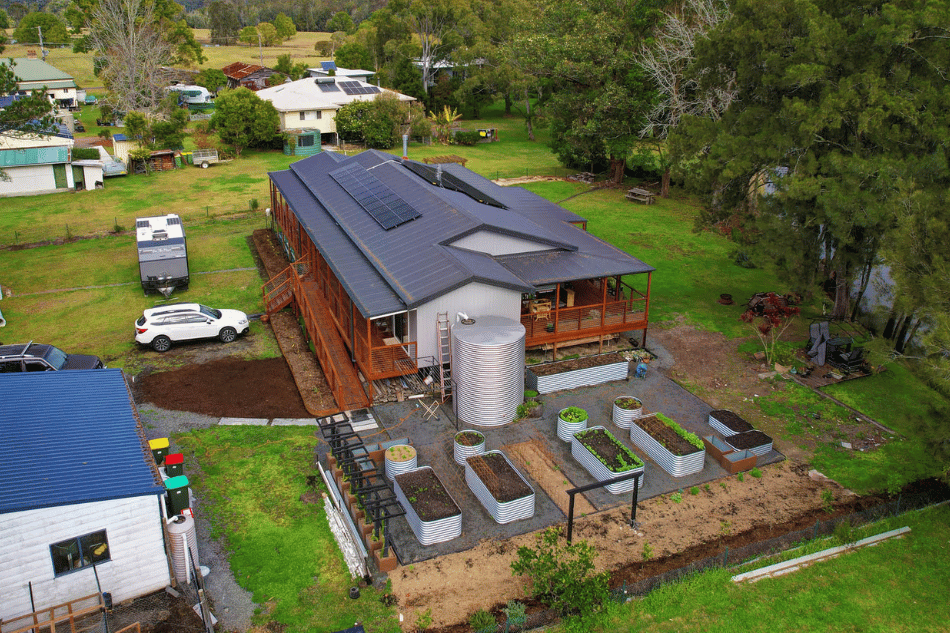
There are builders – like Manor Homes – that are using modular methods to deliver high quality homes to regional, rural and even remote communities—homes that cost less and arrive faster than anything built the traditional way. And the CBA is now backing modular builds with new finance models that fast-track lending and bring timelines down from 18 months to as little as 10–12 weeks, and there’s a whisper that other banks are following closely behind.
We don’t need to reinvent the wheel. The examples are already here—we just need more of them.
Changing the Conversation Starts with Us
Modular homes won’t go mainstream unless everyday Australians get behind them. That means asking your builder about modular. That means questioning the assumption that “normal” always equals “better.” That means starting conversations in your own neighbourhood, your own family, and your own build journey.
At Manor, we believe this conversation matters. We believe modular is more than a smart choice—it’s a future-focused one. And we’re not the only ones saying it. The smartest homebuyers we meet are the ones asking: why wait 18 months for a traditional build when you could have a home that’s just as beautiful, in a third of the time?
They’re part of a growing group of informed, practical homeowners—people who understand that value isn’t just about price, it’s about time, quality, and long-term livability.
Because at the end of the day, homes aren’t about tradition—they’re about family, future, and feeling settled. And modular makes that happen sooner.
Final Thought
The shift to modular won’t happen overnight. But it will happen—because it has to. Because the next generation of Aussie homeowners deserves more than backlogs, blowouts, and broken systems.
This isn’t about jumping on a trend. It’s about moving with purpose, toward smarter solutions.
Let’s keep the conversation going. Let’s ask more of our builders, our planners, and ourselves. And let’s make modular the new normal—for all the right reasons.
To see what this looks like in practice, visit Manor’s modular home designs and explore what’s possible.
Building Stories, Crafting Homes.