


Cost of Interest on Loans vs Inflation: Why Waiting to Build Isn’t Worth It
Building a home is a big deal, especially when you’re balancing the demands of working the land and managing your finances. It’s tempting to hold off on starting your build because you’re concerned about interest rates creeping up. But here’s the reality: inflation is the real cost you need to keep an eye on.
Let’s break it down in terms that make sense for you.
Inflation: The Hidden Cost You Can’t Ignore
Inflation is like a slow-moving storm, always in the background, gradually driving up the cost of everything—from the tools and equipment you rely on every day to the materials and labour needed to build your home. Back in 1975, you could have picked up a house in Sydney for just $28,000. Fast forward to today, and that same house would set you back over $1.1 million(CoreLogic Australia).
That’s the power of inflation, and it’s a force that shows no signs of slowing down.
Every year you delay building your home, you’re giving inflation more time to push up costs. The price of timber, bricks, and even the land your home will sit on—everything gets more expensive as time goes on. It’s not just about the house itself; inflation impacts every aspect of the building process.
What might be within your budget today could easily be out of reach tomorrow if you wait too long.
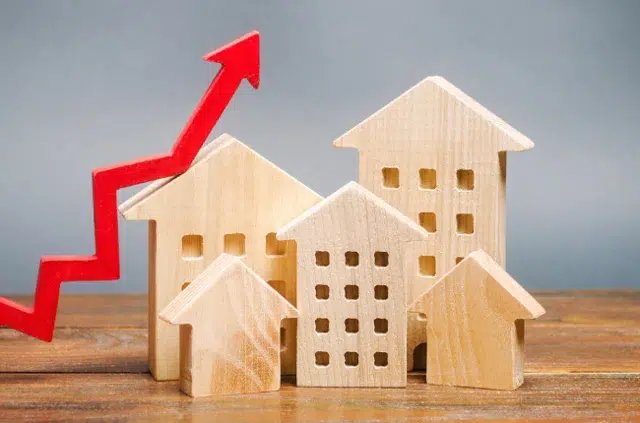
Interest Rates: Still Historically Low
Let’s talk about those interest rates. Yes, they’ve ticked up a bit recently, and that’s got some folks worried. But when you look at the big picture, today’s rates are still incredibly low by historical standards. In the 1980s and early 1990s, interest rates were often well above 10%, with peaks reaching over 17%(Orange Finance, Home).
Compared to that, today’s rates are a bargain, even if they’re not quite as rock-bottom as they were a few years ago.
Waiting for rates to drop further might seem like the safe play, but here’s the catch: the money you might save on interest could easily be wiped out by the rising costs of construction caused by inflation. The longer you wait, the more you’re likely to pay—not just in higher material costs, but in the overall price of getting your home built.
It’s a classic case of penny wise, pound foolish.
Your Home: An Asset That Appreciates Over Time
Here’s something to consider: while inflation might make everything more expensive, it also makes your home worth more over time. That means your home isn’t just a place to live—it’s a valuable asset that grows in worth as the years go by. Sure, the cost of building today might feel high, but in a few years, you’ll likely look back and see that it was a smart move.
There’s a common misconception out there about over-capitalising—spending too much on a home relative to its current market value. But when you think about the long-term impact of inflation, this concern becomes less relevant.
It’s not about how much you spend; it’s about how soon you sell. The longer you hold onto your home, the more it’s likely to appreciate in value (Reserve Bank of Australia). Inflation works in your favour here, turning your home into a solid investment over time.
Let’s have a close look at this concept.
The Cost of Delaying Your Build
If you’re thinking about holding off on your build until interest rates drop, consider this: waiting could cost you far more in the long run. Inflation ensures that the prices of materials, labour, and land will continue to rise, making your build more expensive the longer you delay. What you could afford today might be out of reach next year.
The idea of over-capitalising is often misunderstood. In a high-inflation environment, your property’s value tends to increase significantly over time, making the notion of spending too much a bit of a myth. As we mentioned before, it’s all about timing—when you sell, not how much you spend initially.
For instance, if you had waited in 1975 to build your home, the cost today would be astronomical compared to what it was back then. The same principle applies today: delaying your project could result in paying much more due to inflation.
Why Building Now Is the Smarter Choice
In conclusion, while it’s natural to be concerned about interest rates, inflation’s long-term impact on your home’s cost is far more significant. Building now allows you to lock in today’s prices and take advantage of historically low interest rates. By acting sooner rather than later, you can avoid the rising costs associated with inflation and secure the long-term value of your investment.
At Manor Homes, we understand the financial complexities of building a home, and we’re here to help you navigate them. Our fixed-price contracts provide financial certainty, ensuring that your budget is protected from inflationary pressures.
By choosing to build now, you can make a smart financial decision that pays off in the long run.
Take Action:
Don’t let rising costs keep you from building your dream home. Contact Manor Homes today and let’s get started on making your vision a reality. The sooner you begin, the more you’ll save in the long run—and the sooner you’ll be enjoying the home you’ve always wanted.