

Sustainability isn’t just a buzzword—it’s becoming the backbone of how we live, work, and build. When it comes to homes, sustainable design is about creating spaces that work in harmony with the environment while delivering comfort, efficiency, and style for everyday living. It’s not just about adding solar panels or a rainwater tank at the end of a build. Sustainable home design begins with the first sketch and carries through every step of construction.
At the heart of this approach is modular construction—a method that aligns innovation with sustainability to redefine how we think about building homes in Australia.
What Does Sustainable Home Design Mean?
A sustainable home is designed to reduce its environmental impact, conserve resources, and promote the well-being of its occupants. It uses energy and water efficiently, incorporates eco-friendly materials, and harmonises with the surrounding environment.
But here’s the key: sustainability isn’t something you can bolt on at the last minute. True sustainable home design starts in the early planning stages, where thoughtful decisions shape everything from the building’s orientation to the materials used.
Why Modular Construction Leads the Way in Sustainability
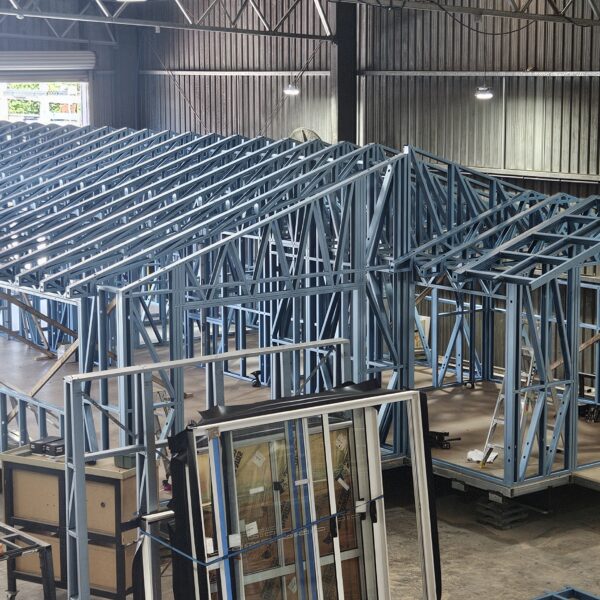
When we think about modern ways to make building sustainable, modular construction is at the forefront. Homes are built in a factory, with parts assembled like a puzzle on-site. This process is not just smart—it’s incredibly eco-friendly.
- Waste Reduction:
Traditional construction sites are wasteful. Modular factories cut materials with precision, reusing or recycling offcuts. The result? A cleaner, more efficient process. - Energy Efficiency in Construction:
Factories use optimised systems that consume less energy compared to traditional builds, reducing the carbon footprint of construction. - Minimised Environmental Disruption:
Modular homes take less time to assemble on-site, meaning fewer disturbances to the surrounding environment. - Built-in Sustainability:
Sustainable features like solar panels, rainwater tanks, and energy-efficient systems can be designed and built into the home from day one.
Designing Sustainability from the Ground Up
Sustainability isn’t just a checkbox; it’s woven into the design process from the beginning. Here’s how:
- Energy Efficiency Through Design:
Homes are oriented to make the most of natural sunlight and breezes. This reduces reliance on artificial heating, cooling, and lighting. - Smart Material Choices:
Recycled timber, low-VOC paints, and sustainable finishes are integrated early in the design phase. These decisions make the home healthier and more environmentally friendly. - Modular Flexibility:
Modular homes allow designers to create spaces that are functional, efficient, and easy to customise with eco-friendly features.
By starting with sustainability at the design stage, homeowners save time, money, and resources.
Principles of Sustainable Home Design
Sustainable home design is guided by key principles that create homes for the future:
- Energy Efficiency:
Homes are designed to use less energy, with features like passive solar orientation, energy-efficient windows, and well-insulated walls. - Water Conservation:
Systems for rainwater harvesting and greywater recycling reduce water waste while supporting everyday needs. - Eco-Friendly Materials:
Using materials with a low environmental footprint, such as bamboo flooring or recycled bricks, ensures the home is built responsibly. - Healthier Living:
Natural ventilation, non-toxic materials, and smart design create healthier spaces for families to thrive. - Durability and Longevity:
Sustainable homes are built to last, reducing the need for resource-heavy renovations or repairs.
A Real-World Example: Modular Homes in Action
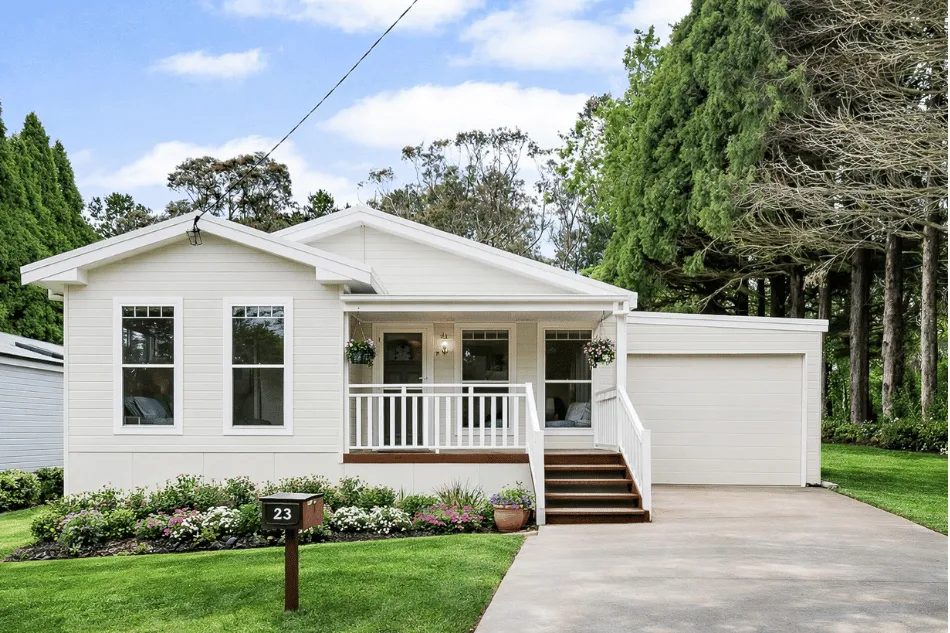
Picture this: a young family in regional Australia is looking for an eco-friendly home that doesn’t compromise on comfort or style. They choose a modular design tailored to their needs:
- The home is oriented north for natural light and warmth.
- Double-glazed windows and insulated panels keep the temperature just right year-round.
- The family opts for recycled timber finishes and a rooftop solar system.
- Rainwater tanks and water-efficient fixtures help cut water usage.
Their home was built off-site in a factory, reducing waste and speeding up construction. Once assembled on their property, they moved into a house that’s efficient, beautiful, and designed with the planet in mind.
Breaking Barriers: Challenges in Sustainable Design
While sustainable home design offers immense benefits, there are some challenges:
- Upfront Costs:
Eco-friendly features may cost more initially, but long-term savings in energy and water bills make it worth the investment. - Regulatory Navigation:
Local building codes can be complex when it comes to integrating innovative features. Working with an experienced designer is essential. - Awareness:
Many people still see sustainability as an optional luxury. Education is key to helping Australians understand the value of investing in sustainable homes.
Conclusion: Building Stories, Crafting Homes
Sustainable home design isn’t just about saving energy or water—it’s about creating spaces that tell a story. From using modular construction to designing sustainability into every aspect of a home, we’re changing how Australians think about their homes and the future.
Modular homes offer a way forward: smart, stylish, and sustainable from the ground up.
Take the First Step Toward a Sustainable Future
Ready to explore how sustainable design can shape your dream home? Learn more about innovative modular homes and sustainable practices at www.manor.net.au.