


For many Australians, building a home is one of life’s greatest achievements. It’s a blank canvas to create a space that reflects who you are, while securing a significant financial asset. But the fear of overcapitalising—the act of spending more on your home than it’s worth on the market—can loom large.
The good news? Overcapitalisation isn’t inherently bad; it’s just a matter of intention. If you’re planning your forever home, a few indulgences are fine—as long as they align with common sense. But if you’re thinking ahead to resale or equity, making strategic choices is key.
Here are three smart strategies to help you build a home that balances heart and head.
1. Build for the Right Location
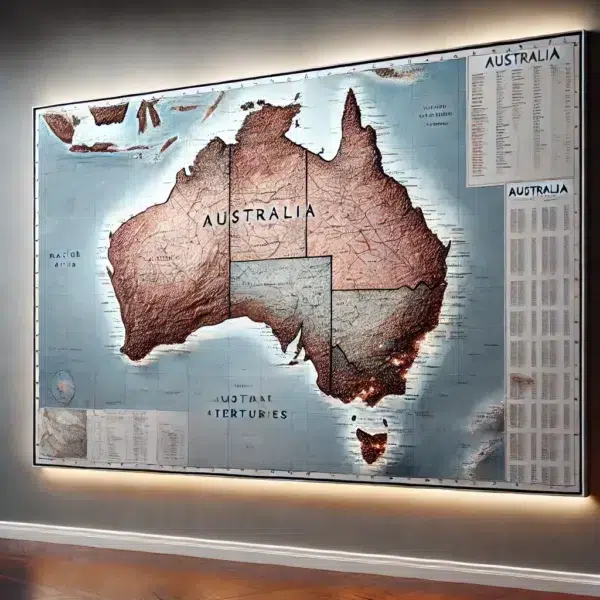
You’ve heard it a thousand times: “Location, location, location.” But what does that actually mean when you’re building? It’s about aligning your home’s value with the neighbourhood.
- Understand Local Market Trends: Start by looking at property prices in your suburb. If most homes are selling between $600,000 and $900,000, building a home worth $1.2 million could leave you struggling to recoup your costs later. Aim to stay within or slightly above the upper range for your area.
- Monitor Land Value Growth: Areas with rising land values can justify a bigger investment because the overall property value is likely to grow. Conversely, in regions with flat or declining land prices, it pays to be cautious about overspending on your build.
- Keep an Eye on Future Potential: Infrastructure like new schools, transport links, or shopping centres can supercharge property values. Research your area’s development plans to make an informed decision.
Building to suit your location means your home will always feel like a natural fit—and that’s a winning strategy.
2. Design in Step with Your Area
Australians are spoiled for choice when it comes to home design. From coastal chic to urban industrial, the options are endless. But to avoid overcapitalising, your design needs to strike the right balance between personal taste and market appeal.
- Respect Local Architectural Styles: A home that blends into its neighbourhood feels approachable and timeless. For example, if your suburb is full of Hamptons-style homes, a futuristic, angular design might feel jarring—and harder to sell later.
- Skip the Over-the-Top Finishes: Luxury can be tempting, but building a high-end oasis in a mid-range area often backfires. Think natural stone finishes and imported appliances—they’re lovely, but not if they make your property the outlier.
- Prioritise Practical Layouts: Good design never goes out of style. Features like open-plan living, plenty of storage, and versatile spaces are always in demand and future-proof your home’s value.
When it comes to design, play to your strengths and your surroundings—you’ll thank yourself down the track.
3. Be Smart About Features and Upgrades
This is where things get personal. Features and upgrades make a house feel like home, but they can also push your budget—and your resale value—into tricky territory. So how do you get it right?
- Invest in the Big Impact Areas: Kitchens and bathrooms are the heavy hitters. Quality, functional upgrades here will almost always yield a solid return. Think sleek cabinetry, modern fixtures, and energy-efficient appliances.
- Know the Difference Between Wants and Needs: Features like a wine cellar or home theatre might make your heart sing, but they’re unlikely to add much to your home’s market value. Focus on additions with universal appeal, like an outdoor entertaining area or an extra bedroom.
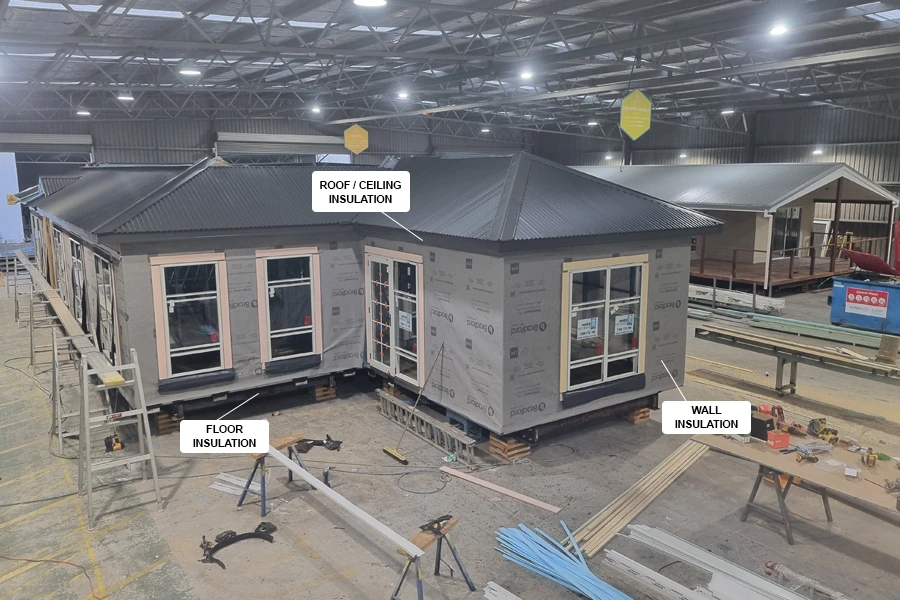
- Embrace Sustainability: Australians are increasingly drawn to homes with energy-efficient features. Solar panels, water-saving fixtures, and good insulation aren’t just practical—they’re highly marketable and future-friendly.
Thoughtful choices now can ensure your home is as functional and appealing in 20 years as it is today.
What’s Your End Game?
At the end of the day, avoiding overcapitalisation comes down to your goals.
If you’re building your forever home, lean into what makes you happy. A few splurges won’t break the bank as long as they make sense for the space and location. On the other hand, if resale or equity are front of mind, taking a more strategic approach is vital.
Ultimately, building your dream home is about crafting a space that works for your family’s lifestyle, your financial future, and the unique character of the Australian landscape.
Building Smarter, Building Stories
Avoiding overcapitalisation doesn’t mean building less—it means building smarter. By grounding your plans in location, design, and thoughtful features, you can create a home that’s as valuable as it is liveable.
Ready to start your journey? For more tips on designing homes that harmonise with the Australian landscape and reflect your family’s lifestyle vision, visit www.manor.net.au.