



If you’re building or moving into a new home in New South Wales, there’s a hidden menace you might not have thought about: termites.
With much of NSW classified as a high to very high risk for termite activity, these tiny pests can cause massive damage if left unchecked. But don’t stress—with a bit of know-how and some smart steps, you can keep your home safe and sound.
Here’s a look at what termites are, why they’re a threat in NSW, and how you can protect your property.
What Are Termites?
Termites are little critters that feast on cellulose, which is found in wood and other plant-based materials. They’re often mistaken for ants sometimes called “white ants”—because of their pale colour, but termites are a totally different species.
The most destructive termites in Australia are subterranean termites. These guys live underground, build sneaky mud tubes to move around undetected, and target homes as a food source. They live in colonies that can number anywhere from a few hundred to millions, with roles like workers, soldiers, and a queen who runs the show.
Why Are Termites Such a Big Deal in NSW?
NSW’s warm climate, coastal areas, and lush landscapes are a paradise for termites. High-risk zones like Sydney, Newcastle, the Central Coast, and even inland regions are hotspots for these pests.
Research shows termites affect one in three properties across Australia. Most people don’t even realise they’ve got a termite problem until the damage is serious. The CSIRO has flagged most of NSW as a highrisk area, so it pays to stay ahead of the game.
Want more details about termite risks and prevention? Visit the NSW Termite Guide. It’s packed with lots of interesting statistics about termites in the state.
What Can Termites Do to Your New Home?
Termite damage is often hidden until it’s severe, and by then, it’s expensive to fix. Here’s what they can do to
your home:
- Compromise Structural Integrity: Termites munch through timber, leaving beams, walls, and floors hollow and weak. This can put your home’s safety at risk.
- Hit Your Wallet Hard: Repairing termite damage can cost thousands. Worse still, many standard home insurance policies don’t cover it.
- Work in Stealth: They’re quiet, sneaky, and often out of sight. By the time you notice warped wood, sagging floors, or bubbling paint, the damage is already done.
How Can You Protect Your Home?
Termites are a serious threat, but you can take steps to keep them at bay. Here’s how:
1. Use Termite-Resistant Materials
Building or renovating? Opt for materials that termites hate:
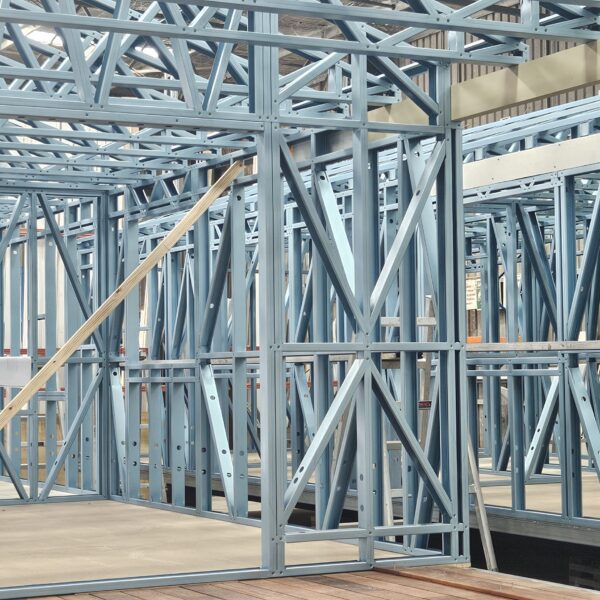
- Steel Frames: Termites can’t eat steel, making it a foolproof option.
- Suspended Floors with Steel or Masonry Foundations: These designs limit contact between your home and the ground.
- Treated or Resistant Timber: Specially treated timber or materials like masonry can act as a strong deterrent.
Investing in these options upfront can save you a lot of hassle later on.
2. Schedule Regular Inspections
A professional inspection is one of the best ways to prevent termite trouble. Experts recommend getting your home checked annually, or twice a year if you’re in a high-risk area.
Licensed pest inspectors can spot early warning signs—like mud tubes, damaged wood, or nests—and handle issues before they escalate.
3. Keep Up with Maintenance
Good property maintenance makes your home less appealing to termites:
- Remove Temptations: Clear away wood debris, stumps, and mulch from around your home.
- Fix Drainage Issues: Leaky pipes or poor drainage can create damp soil, which termites love.
- Mind Your Garden: Avoid planting trees too close to your house. Tree roots can attract termites and give them a bridge to your home.
- Check Soil Levels: Make sure soil isn’t touching wooden parts of your house or covering the slab edge.
A little effort now can save you big headaches later.
Final Thoughts
Living in NSW means termites are a fact of life, but they don’t have to be a problem. By choosing termiteresistant materials, booking regular inspections, and keeping your property in good shape, you can safeguard your home from these silent destroyers.
For more tips and advice, reach out to us for a chat or check with your local council. Protecting your home doesn’t have to be overwhelming—it’s about staying a step ahead and taking action.
Your home’s story starts with you. Make it one that stands strong for years to come.