

When people talk about modern house design, they’re often picturing very different things. For some, it’s about minimalist architecture with sharp lines and open spaces. For others, it’s smart home technology and energy efficiency. The reality? Many elements of modern design have been around for decades—it’s just the way we talk about them that’s changed.
If you’re building a new home, the key isn’t just to follow a trend; it’s to create a space that works for your family now and still feels fresh years down the track. That means knowing which features have lasting appeal and which might date quickly. And it also means choosing the right builder—because not all of them specialise in modern homes.
So, what makes a house modern? And more importantly, which parts of modern house design are here to stay?
What Does Modern House Design Actually Mean?
Modern house design isn’t as new as it sounds. Some of the features people consider modern—like open-plan living, energy-efficient layouts, and seamless indoor-outdoor connections—have been shaping Australian homes for years.
The reason we still call them modern? They’re part of a trend that keeps evolving. Today, modern design is less about following a strict rulebook and more about creating homes that reflect the way we live now.
That’s why one person’s modern dream home might be a sleek, flat-roofed architectural statement, while another’s is a simple, functional space with a verandah and plenty of natural light. It all depends on what modern means to you.
What Actually Makes a House Modern?
While modern house design looks different for everyone, there are a few core features that define the style:
1. Open-Concept Layouts
Walls are disappearing. Instead of separate rooms for living, dining, and cooking, modern homes prioritise flow and connection. Open-plan spaces make homes feel bigger, lighter, and more flexible.
2. Indoor-Outdoor Living
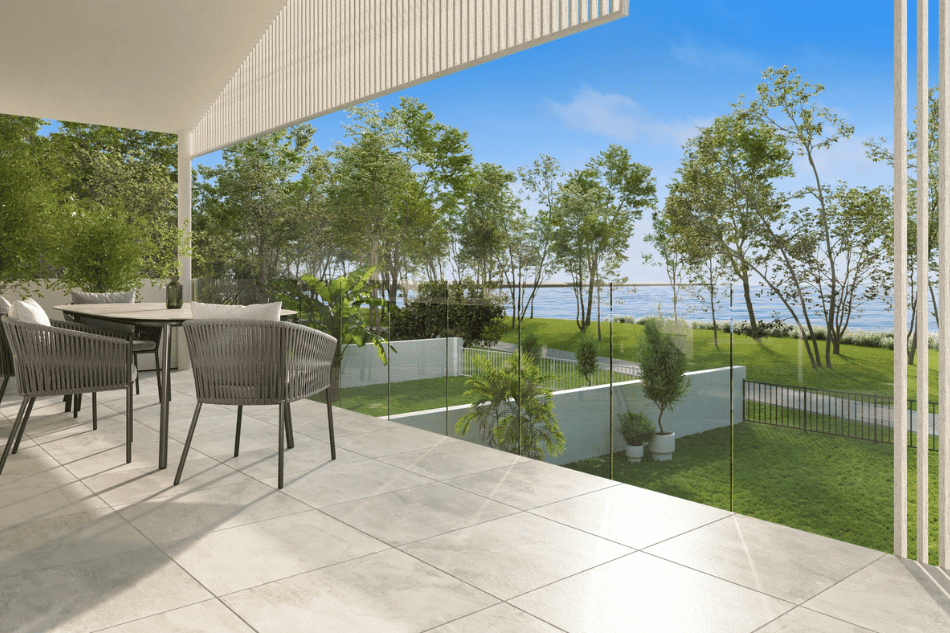
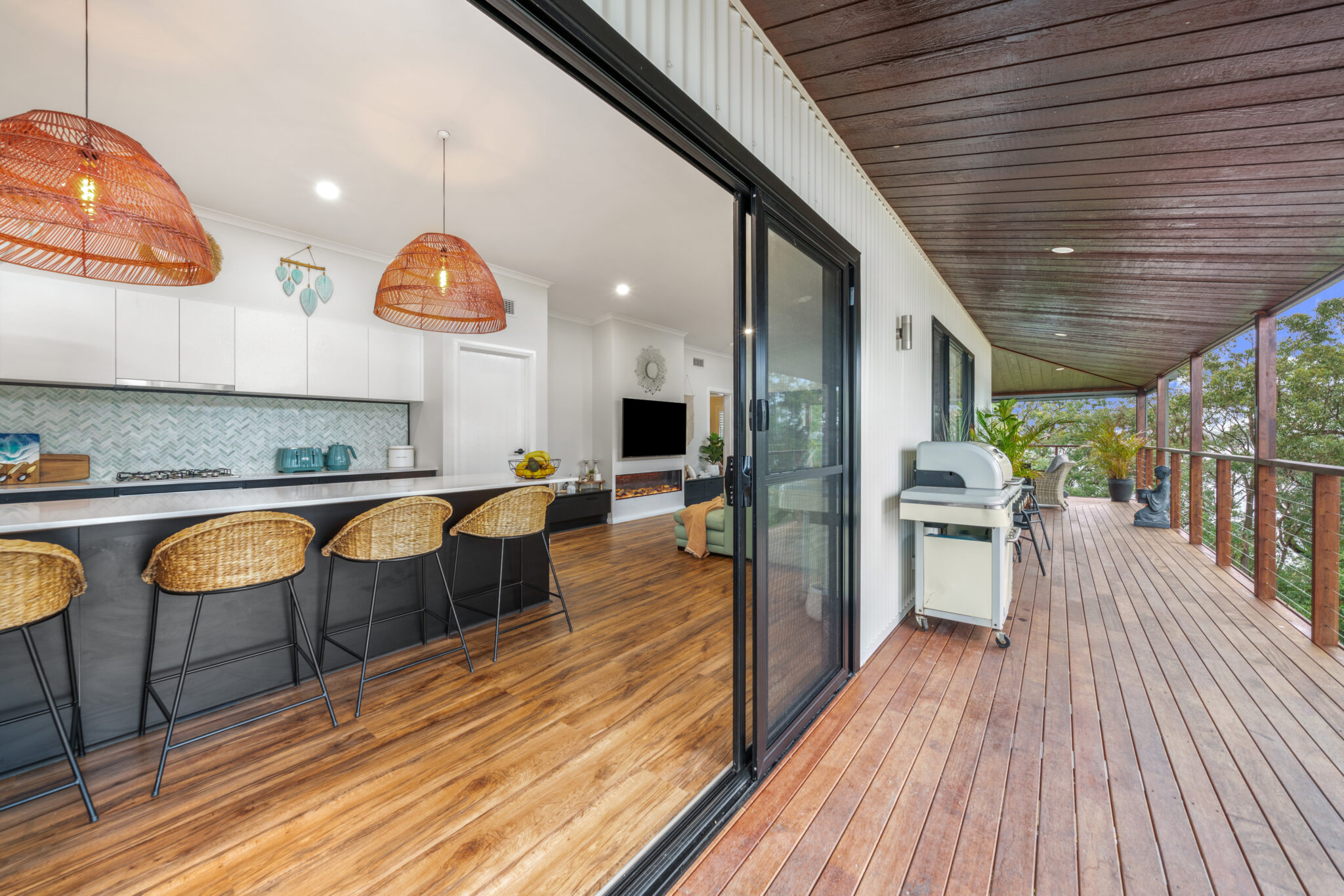
Australian homes are built for the outdoors. Large glass doors, covered alfresco areas, and seamless transitions between inside and out make it easy to enjoy the best of both worlds.
3. Energy Efficiency That Works
Modern homes aren’t just about looking good—they’re designed to work smarter. That means solar panels, passive heating and cooling, and sustainable materials that keep energy costs down.
4. Aesthetic Simplicity
Modern homes often lean towards clean lines, neutral colours, and uncluttered spaces. But that doesn’t mean they have to feel cold. The best modern designs balance simplicity with warmth—think natural materials, soft lighting, and carefully chosen textures.
Smart Australian family couples, who are mindful about both style and value, often gravitate toward these features. They recognise that a home should not only look modern today but also remain functional and attractive for years to come.
Different Types of Modern Home Designs
Not all builders do modern. Some focus on traditional designs, while others embrace cutting-edge architectural trends. If a modern home is your goal, you need to work with someone who gets it.
And even within modern home design, there are plenty of variations:
1. Single-Storey vs. Two-Storey Modern Homes
A modern house design single-storey layout is all about seamless flow and accessibility. A modern house design 2-story home, on the other hand, maximises space on smaller blocks, offering more privacy and zoning options.
2. Flat Roof Homes
Flat roofs are often associated with ultra-modern design, but they’ve actually been around for nearly a century. They create a bold, contemporary look while allowing for rooftop gardens or solar panels.
3. Modern Homes with a Verandah
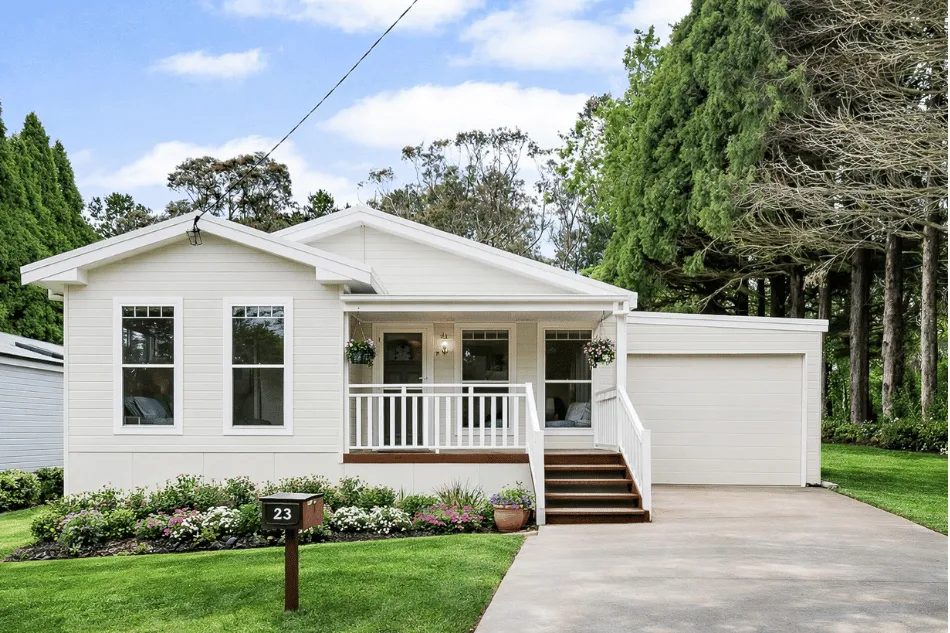
For some, modern still includes classic Australian elements—like a verandah. A well-integrated verandah can soften modern lines while providing shade and extra living space.
4. Compact Modern Homes for Urban Living
With more people building in urban areas, modern house designs are getting smarter with space. Multi-functional rooms, clever storage, and adaptable layouts help make the most of smaller footprints.
Is Modern Just a Trend, or Will It Last?
Some modern design elements are timeless. Open-plan living, sustainable materials, and indoor-outdoor flow aren’t going anywhere. But there are also aspects of modern design that might not age well.
What to Watch Out For:
- Overly Trendy Materials – High-gloss kitchens and extreme industrial finishes might look great now, but will they still feel fresh in ten years?
- Too Much Minimalism – Clean lines are great, but a home should still feel warm and liveable.
- Over-Reliance on Technology – Smart homes are convenient, but if everything relies on an app, it can be frustrating when systems become outdated.
The goal? Find a balance between modern appeal and long-term functionality.
Modern Design That Works for Your Future
At the end of the day, modern isn’t about following a checklist of design trends—it’s about creating a home that fits your lifestyle. A home that works today, tomorrow, and years down the track.
That’s why so many Australian family couples who invest smartly in their homes take a measured approach. They don’t just look at what’s popular now—they choose designs that offer both contemporary appeal and long-term practicality.
So before you commit to a modern design, ask yourself:
- Is this just a trend, or is it something I’ll love for years to come?
- Does it work for my family’s needs—now and in the future?
- Am I choosing a builder who understands modern design?
Because modern house design isn’t just about today. It’s about creating a home that feels fresh, functional, and right—for the long haul.
For more inspiration on designing a home that’s built for modern living, visit Manor Homes.