


Building a new home is an exciting journey, but it’s also one that requires careful consideration, especially when it comes to understanding the potential—and the pitfalls—of your chosen piece of land. Many prospective homeowners often overlook critical factors that can significantly impact their build, both positively and negatively.
This blog aims to highlight the key design considerations to maximise your land’s potential and help you understand why trusting an expert can make all the difference.
Understanding Your Land
Every piece of land is unique, with its own set of characteristics that can influence the design and construction of your new home. Here are some of the most important aspects to consider:
1. Topography
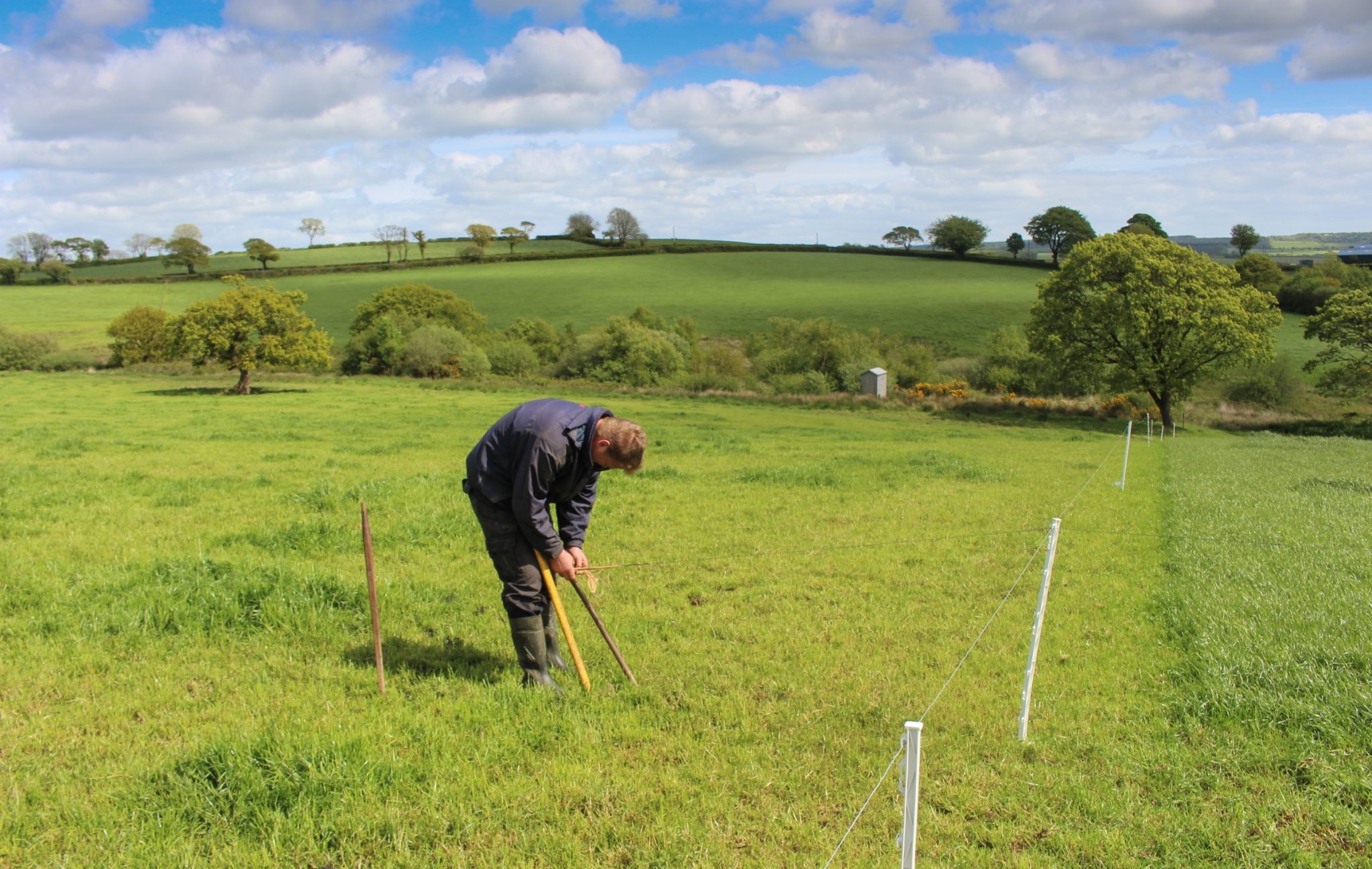
The slope of your land can greatly affect the design of your home. Steeper slopes might offer stunning views but can also present challenges such as increased excavation costs and the need for retaining walls. On the other hand, flat land is easier to build on but may require additional drainage solutions. It’s important to understand that the topography will influence not just the build but the overall layout and usability of your property.
2. Soil Quality
The type of soil on your land can impact the stability of your foundation. For example, clay soils can expand and contract with moisture changes, potentially causing structural issues. A soil test can reveal any potential problems and help determine the best foundation type for your home.
3. Climate and Exposure
The orientation of your home on the land can affect energy efficiency and comfort. Maximising natural light and ventilation by positioning your home to take advantage of the sun and prevailing winds can reduce energy costs and create a more pleasant living environment. North-facing aspects are particularly beneficial in Australia for optimal thermal efficiency.
4. Neighbours and Adjacent Properties
Consider the surrounding properties and how they might impact your privacy, views, and overall enjoyment of your home. Understanding the layout and usage of adjacent properties can help you design a home that maximises privacy and enhances your living experience.
5. Access and Services
Consider the accessibility of your land for construction vehicles and the availability of essential services like water, electricity, and sewage. Remote or difficult-to-access sites can increase construction costs and timelines.
6. Environmental Considerations
Natural features such as trees, water bodies, and rock formations can add beauty and value to your property but may also require special planning permissions and conservation measures. Incorporating these elements into your design can enhance the aesthetics and sustainability of your home.
Positive Potential
Identifying and leveraging the positive aspects of your land can significantly enhance your new home’s value and livability:
- Scenic Views: Designing your home to take full advantage of scenic views can add immense value and enjoyment.
- Natural Light and Thermal Efficiency: Large windows and strategically placed living areas can make the most of natural light, creating bright and inviting spaces. North-facing aspects can enhance thermal efficiency, reducing energy costs.
- Outdoor Living: Integrating outdoor spaces like decks, patios, and gardens can expand your living area and connect your home with the natural surroundings.
Common Pitfalls
Ignoring potential problems can lead to costly and time-consuming issues down the line:
- Poor Drainage: Neglecting proper drainage planning can lead to water damage and foundation issues.
- Topography Underestimation: Underestimating the impact of your land’s slope can result in unexpected excavation costs and structural challenges.
- Access Issues: Overlooking access for construction can result in delays and additional costs.
- Regulatory Hurdles: Failing to account for zoning laws, building codes, and environmental regulations can stall your project.
Trusting the Experts
Navigating the complexities of land and home design requires expertise and experience. Experienced builders are often the best at balancing all these factors to bring your vision to life. Here’s why you should consider trusting an expert:
- Holistic Expertise: Builders possess a broad understanding of how different elements of a project interact. From soil conditions to regulatory requirements, their comprehensive knowledge ensures all aspects of your build are considered.
- Problem-Solving Skills: Years of hands-on experience equip builders with the skills to anticipate and address potential issues before they become major problems.
- Access to Resources: Builders have established relationships with suppliers, subcontractors, and other professionals, which can streamline the building process and often result in cost savings.
- Efficiency and Quality: An experienced builder knows how to manage a project efficiently, ensuring timelines are met without compromising on quality.
Other professionals, such as architects and surveyors, also play critical roles, but builders tend to offer a practical balance of skills and insights that can bring your entire project together seamlessly. They are often the glue that holds all aspects of the construction process together, ensuring that your vision is realised without unnecessary stress or delays.
The Final Word
Maximising your land’s potential involves more than just choosing a beautiful plot; it requires careful planning and expert guidance. By considering the topography, soil quality, climate, access, neighbours, and environmental factors, you can create a home that not only meets your needs but also enhances the natural beauty and functionality of your land.
At Manor Homes, we’re committed to helping Australians achieve their family lifestyle vision with quality, sustainable designs personalised to your needs. Trust us to turn your dream into a reality with no surprises along the journey.