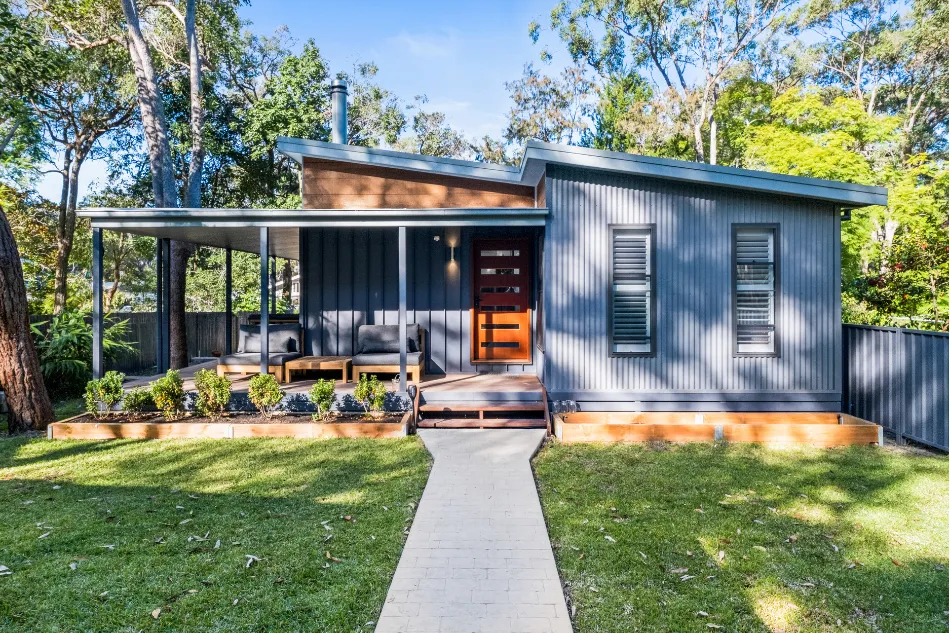



Picture this: You’ve found your dream plot of land, but it’s got a rocky base. Panic sets in, right?
Wrong. Having a rocky site can actually be a blessing in disguise, especially if you’re considering a modular home.
Here’s why.
Why a Rocky Site is Perfect for Your Modular Home
First off, let’s clear up a common misconception. A rocky site isn’t the end of the world. In fact, it’s far from it. Sure, if you’re thinking of a traditional house on a slab, you might face challenges. Digging trenches for beams under a slab foundation on a rocky site can be a nightmare. But that’s not the case with modular homes.
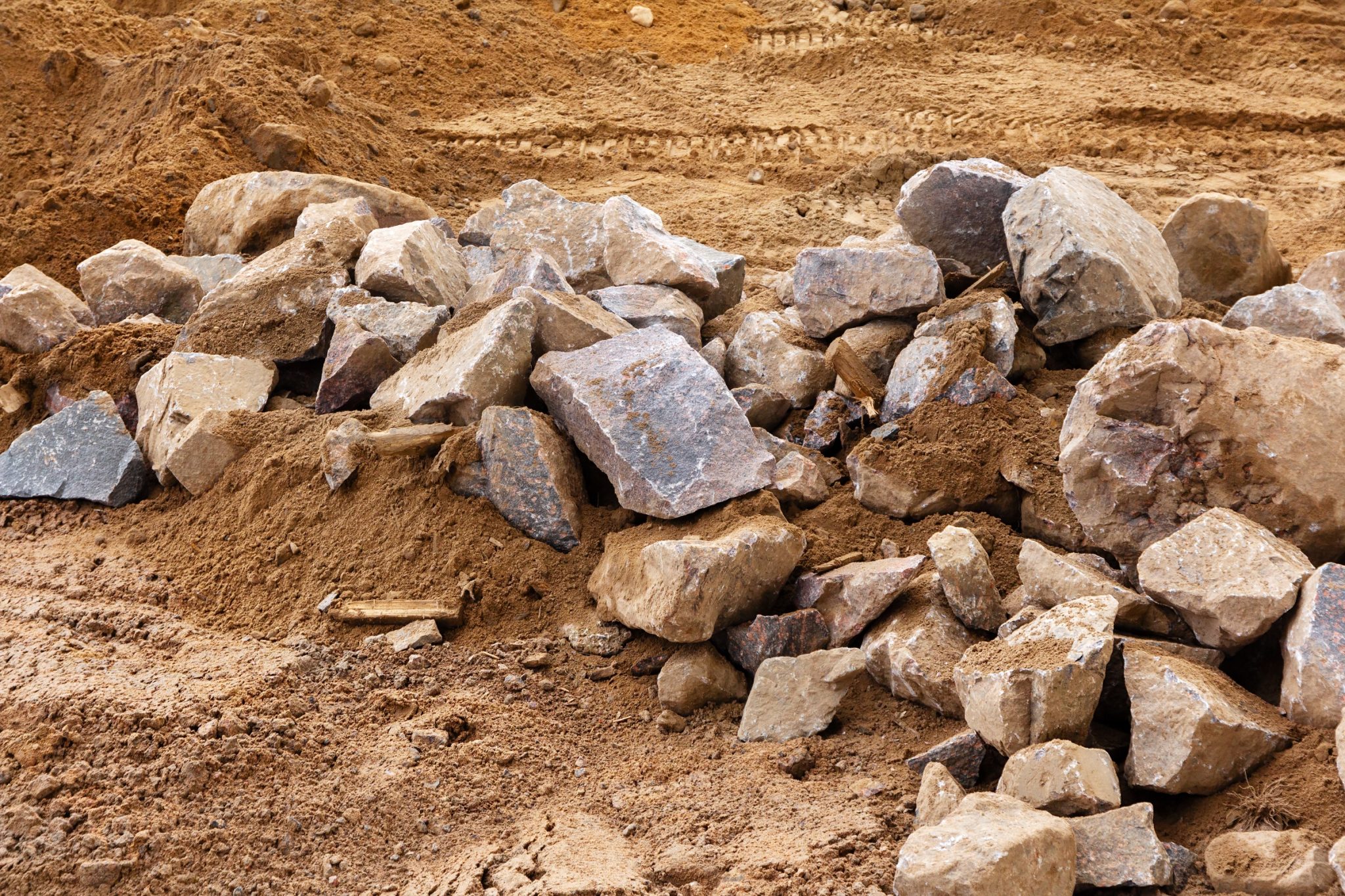
Modular homes, sitting pretty on steel or masonry piers, are tailor-made for rocky terrains. Whether your site has sheet rock or scattered boulders, modular homes can adapt. Sheet rock, often shale in Australia, offers an incredibly strong foundation. Even the type of rock matters – softer limestone or harder granite, each requires a unique approach.
How Modular Home Builders Handle Rocky Sites
Don’t sweat it, though!
Modular home builders are experts at dealing with rocky sites. The homes rest on a robust steel chassis, supported by steel or masonry piers that can be strategically placed around the rock. If needed, a rock borer can drill holes for the piers, or small rock clusters can be replaced with soil. In some cases, masonry block piers and anchor tie-downs are used, integrating them directly into the rock for added stability.
Rock isn’t always a hurdle – it can just as easily be an asset. It provides a solid, stable base, reducing the risk of ground movement with changing seasons. So, your modular home will be secure, no matter the weather.
Handling Septic Tanks, Pipes, and Cables
Rocky sites can pose additional challenges for installing septic tanks, pipes, and cables. Trenches for these utilities often need to be dug into the ground, which can be difficult on rocky terrain.
However, modern techniques and equipment allow for precise trenching and boring through rock. Specialized tools and machinery can create trenches for pipes and cables, ensuring that all necessary utilities are correctly installed.
This applies whether the home is built on-site as per a traditional build or constructed as a modular home. Be aware, however, that these additional challenges can incur extra costs.
Understanding the Different Types of Rock
Let’s delve deeper into the types of rock you might encounter. Limestone, a softer rock, can be more easily manipulated compared to granite, which is much harder and more challenging to work with.
This distinction is crucial because it influences the construction strategy. For instance, granite may require more specialized equipment and techniques, but it also offers unparalleled stability.
The Importance of Geological Surveys
Before any construction begins, it’s vital to understand exactly what you’re dealing with. Geological surveys often know as soil tests – provide detailed insights into the composition and distribution of rocks on your site. These surveys inform the construction plan, ensuring that the modular home’s foundation is optimized for the specific conditions of your land.
The Environmental and Cost Benefits
Building on a rocky site isn’t just structurally sound; it can also be environmentally beneficial. By utilising the natural rock as a foundation, you reduce the need for extensive soil excavation and concrete, which can have a significant environmental impact. Plus, leveraging the rock on your site can be cost-effective.
You save on materials and labour that would otherwise be needed to create a stable foundation!
Embrace the Rock
So, you’ve found the perfect spot for your new home but worried about the rock?
Relax. Talk to a modular home builder. They’ll turn that rocky plot into the solid foundation of your dream home.
Remember, what seems like a challenge could actually be a unique opportunity to create a more stable, cost-effective, and environmentally friendly foundation for your modular home.