


What to Look for in a Home Building Quote
Getting a home building quote can feel like a big step. But once you’ve got it in hand, how do you know if it’s clear, fair, and includes everything you need? Builders all do things a little differently, and sometimes what looks like a great deal upfront can turn into extra costs later.
To help you avoid any unwanted surprises, here’s a breakdown of what to look for in your home building quote—so you can move ahead with confidence.
Keep It Simple: Grouped Costs Make Life Easier
A good quote doesn’t need to be complicated. It should group the costs together in a way that makes sense, without getting too bogged down in details. You don’t need every nail and screw itemised, but you do need a clear idea of where your money’s going.
The best way to structure a quote is to break it into key categories like:
- The Home Itself – This covers the basics: materials, labour, and any standard finishes included in the build.
- Site Costs – This is where you’ll find things like excavation, levelling, and any work needed to get your block ready for building.
- Approval Costs – You’ll need council approvals and permits to build, and any costs related to this should be clearly listed.
- Upgrade Costs – If you’re adding extras like higher-end finishes or extra features, these should be listed separately so you can see what’s driving up the price.
By keeping things grouped like this, you get a clear, straightforward quote that doesn’t confuse you with too much detail, but gives you enough to understand the full picture.
Inclusions and Exclusions: What’s in, What’s Out
Not everything is included in every quote. Some builders will give you a price that covers most things, while others may leave out a few key costs that you’ll have to pay for later.
Inclusions are the things that are definitely covered in the quote—like the materials, labour, and basic finishes. Exclusions are things that the builder isn’t covering, such as landscaping, fencing, or some site preparation costs. Make sure you know exactly what’s included in the price and what’s not. If it’s not clear, ask your builder to clarify. You don’t want to find out halfway through the build that you’re up for extra costs that weren’t factored in.
Site Costs: Be Prepared for the Land You’ve Got
Not all blocks are created equal, and your site preparation costs will depend on your land. Is your block flat and ready to go, or does it need some serious work before the builder can start?
Your quote should either cover site costs like what’s listed below, or clearly state that they’re excluded:
- Excavation
- Levelling
- Retaining walls (if needed)
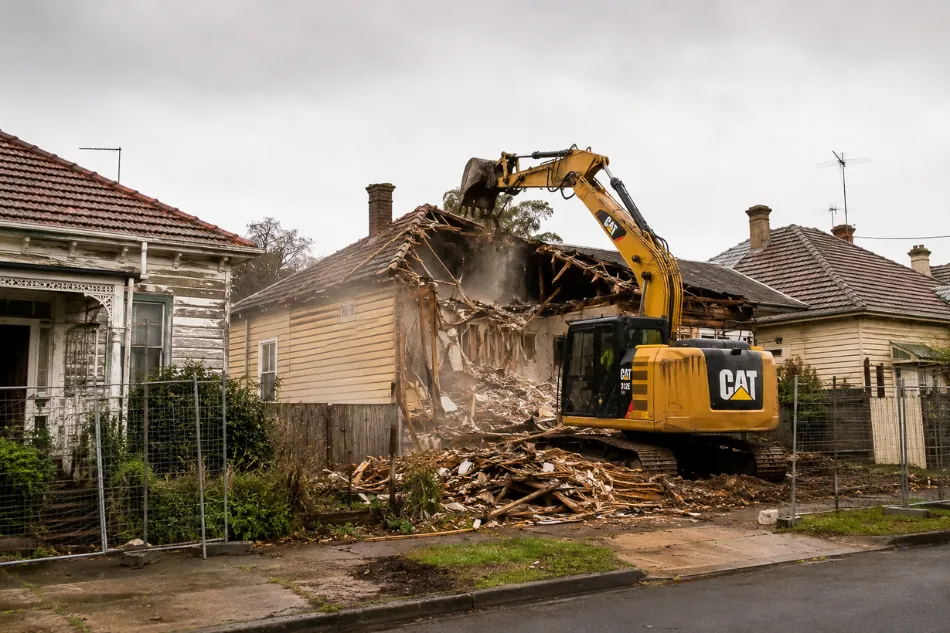
- Vegetation removal
- Driveways
- Other sundry costs
These are all essential parts of preparing your land for the build. If your block has tricky terrain, rocky soil, or needs extra work to get it ready, you’ll want to make sure you’ve got a clear handle on these costs.
Council Approvals and Regulations
Every council has its own rules, and depending on where you’re building, complying with local regulations can add to your costs. If you’re in a bushfire-prone zone or a flood-risk area, you might need to use special materials or construction methods to meet those requirements.
Your quote should include any council approval costs and adjustments needed to comply with local regulations. Ask your builder if these have been factored in upfront, or if they’ll be added down the track.
Provisional Sums: Know What’s an Estimate
Sometimes a builder can’t give you a fixed price for certain things until later in the build—like tiling, cabinetry, or landscaping. These are often listed as provisional sums, which are allowances for costs that aren’t locked in yet.
It’s important to check the provisional sums in your quote and how accurate they are. If they seem low, it’s worth digging deeper. You don’t want to be hit with a bigger bill later because those estimates were way off.
To learn more about how provisional sums work, check out this helpful guide on provisional sums.
Modular Homes: A Simpler Quote Format
If you’re thinking about building a modular home, you’ll often find the quote is simpler and more accurate than with traditional builds. Why? Because modular homes are built in a controlled environment, which reduces the variables. There’s less guesswork, and the costs are more predictable since the majority of the work is done off-site. That means fewer provisional sums and a clearer breakdown of costs, with less room for unexpected changes.
Modular or manufactured homes often provide a more straightforward quote because of this streamlined process, making it easier for you to know exactly where your money is going.
Variations and Changes: How Does Your Builder Handle Them?
Most builds will require some tweaks or changes along the way. Whether it’s choosing different materials, adding features, or adjusting designs, it’s important to know how your builder handles variations and what effect that will have on your costs.
Your quote should include details on how changes will be managed in the Building Contract later on, and whether there are extra fees for making adjustments. The last thing you want is to be surprised by extra charges because you made a change mid-build.
Timeframe and Payment Schedule
A good quote could also include a possible timeline for the build and could even include a payment schedule that shows when you’ll need to make payments and what work will be completed by then. The detail of these items will be spelt out more in the contract but it’s always good to have them on the horizon at quote stage.
Look for a payment schedule that’s linked to key stages of the build, so you know exactly when payments are due and what’s been achieved at each stage. This keeps you on top of the budget and ensures the build stays on track.
Trust and Process: Work with a Builder You Can Rely On
When it comes to building your home, choosing a builder you can trust is crucial. You want a builder who is transparent, explains things clearly, and is happy to answer your questions. They should also be willing to refine the process and make things easier for you as you move forward.
But just as important is that your builder has a clear process that they follow. A good builder knows what works and has developed a system to get the best results. When you work with a builder who has a solid, proven process, you can trust that things will run smoothly. And by leveraging that process, you’ll get a home that’s built on time, on budget, and to the standard you expect.
Ask your builder about their process—how they handle quotes, what their timeline looks like, and how they manage changes. Builders with a clear process are the ones who will deliver the best results.
Conclusion: Keep It Clear and Simple
When reviewing your home building quote, the key is to keep things clear and simple. Grouped costs, a clear list of inclusions and exclusions, and an understanding of site-specific costs will help you avoid any surprises down the track.
Take the time to review the quote carefully and don’t be afraid to ask questions. A good builder will be upfront about what’s included, what’s not, and how changes are handled, so you can feel confident moving forward with your new home build.