

Lined Verandah Ceiling or Unlined? Pros, Cons, Style and Cost in Australia
A lined verandah ceiling can make your outdoor area feel like a true extension of the home. However, an unlined verandah ceiling can deliver that relaxed, country character many Australians love. The key is knowing what “lined” and “unlined” mean in plain terms, then weighing up comfort, maintenance, aesthetics, and budget.
Australian family couples who are smart about their investment in their family home often decide on the verandah ceiling early. It helps the whole design feel intentional, and it avoids last-minute compromises later.
What “lined” and “unlined” literally mean
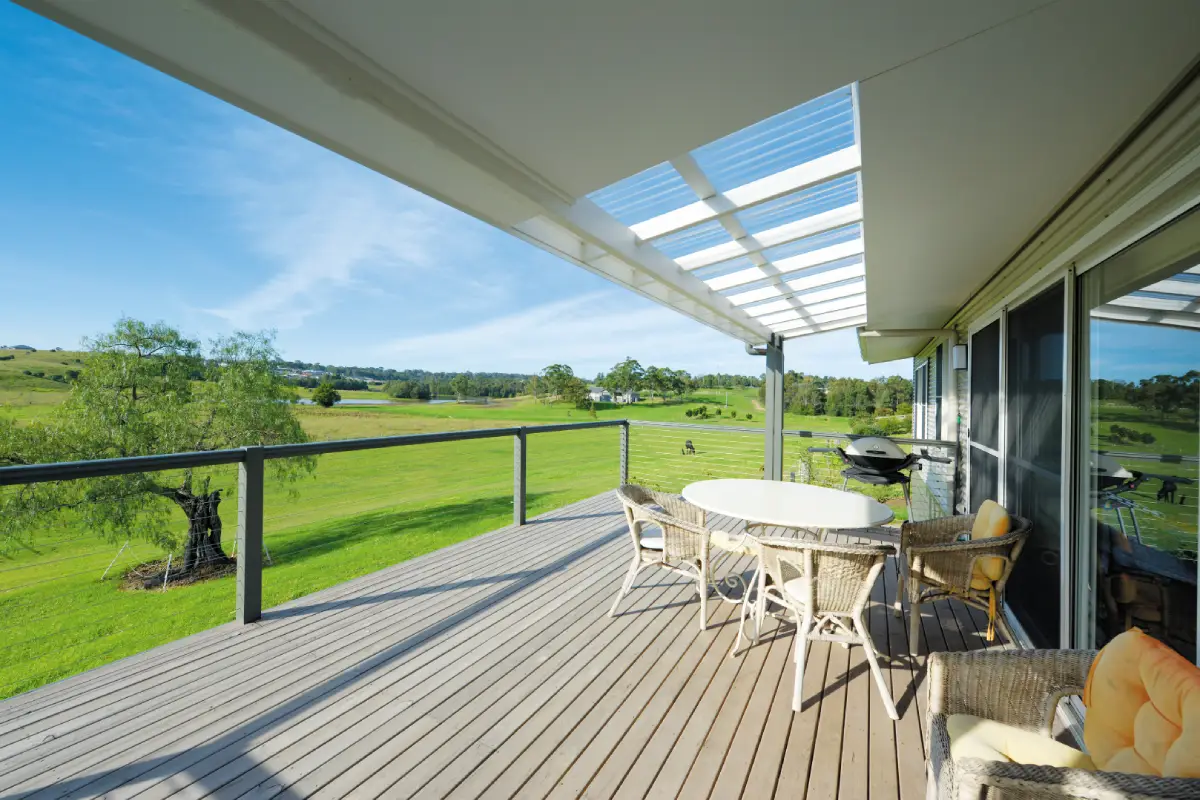
Unlined verandah ceiling (open/exposed). An unlined verandah has no ceiling installed under the roof. From below, you can usually see the rafters, battens, and often the underside of the roof sheeting. People also call this “open rafter” or “exposed framing”.
Lined verandah ceiling (closed/finished). A lined verandah ceiling has a finished lining fixed under the roof structure. The lining creates a smooth (or feature) ceiling surface. Common lining materials include fibre cement sheeting, exterior-rated plasterboard in sheltered areas, PVC panels, or timber lining boards.
Why unlined verandahs feel “more country”. Unlined ceilings suit homes that lean rural, farmhouse, or classic Australian verandah.
Advantages of unlined ceilings
- Authentic structure on show. Exposed rafters and battens feel honest and character-filled.
- Lower upfront spend. You avoid the cost of sheets, trims, labour, and painting.
- Easy to inspect. You can often spot issues, like a leak, sooner.
Disadvantages of unlined ceilings
- Birds can roost. Open framing creates sheltered ledges. Mess and noise often follow.
- More dust and cobwebs. Windblown debris settles on framing and shows quickly.
- Rain noise can be louder. Single-skin metal roofing tends to transmit more sound.
If you love the open look, you can still boost performance. For example, you can add discreet bird-proofing and choose roofing build-ups that reduce noise, while keeping the structure visible.
A lined ceiling is often about comfort and cleanliness, not just looks.
Advantages of a lined verandah ceiling
- Fewer bird problems. A closed lining removes roosting ledges and hiding spots.
- Quieter in heavy rain. The lining and air gap can help reduce drumming sounds.
- A more “finished” outdoor room. It can look crisp, deliberate, and premium.
- Neater lighting and fans. Wiring and fittings look cleaner with a ceiling surface.
Disadvantages of a lined verandah ceiling
- Higher cost. You pay for materials, labour, and finishing.
- It can look less rustic. A flat white ceiling can feel more “suburban alfresco”.
- More detailing matters. Outdoor ceilings need correct fixings and moisture handling.
The good news is you can keep a country feel with the right design choices. You don’t have to choose “modern” to choose “lined”.
How to keep a country feel with a lined ceiling
If “lined” makes you worry about losing charm, these options help.
- Use VJ-style lining. It reads traditional, yet it still blocks birds.
- Add feature beams. Line between beams and keep key structure expressed.
- Choose warmer whites. Soft tones suit rural palettes better than bright white.
- Use batten detailing. It adds rhythm and texture without going “too sleek”.
As a result, you keep character and gain comfort.
Cost: what changes the price most?
Verandah costs vary by region, access, height, and finish level. Still, the cost drivers are consistent.
Labour and finish level are big levers. Overhead work is slower, and tidy detailing matters. That’s why the “extra” cost of lining often surprises people.
If you want a practical breakdown of why verandah pricing is labour-heavy (and why quotes can jump with detailing and compliance), see Why does a verandah cost so much?.
Materials change the whole ceiling outcome
Fibre cement, PVC, or feature timber linings each create a different finish and a different budget. Insulated roof panel systems can also change the equation because they combine roof, insulation, and a finished underside into one approach.
Performance factors people forget
Cost and looks matter. However, day-to-day enjoyment often comes down to these details.
Noise in rain
If you live in a heavy-rain area, noise can affect how usable the space feels. Lining plus an air gap can help. Insulated roof systems can help further, because the insulating core dampens sound.
Moisture and condensation
Any roof/ceiling build-up benefits from good moisture thinking. For clear, Australia-specific guidance, YourHome’s condensation guidance is a solid reference point.
Heat and comfort
A verandah is about shade, but the roof still heats up. A lined ceiling (and especially insulated systems) can reduce radiant heat, which can make the space feel calmer on summer afternoons.
Quick decision guide
Choose unlined if you:
- love exposed framing and a country verandah look
- want the lowest upfront cost
- do not mind more cleaning and bird-proofing
- are comfortable with more rain noise in a storm
Choose a lined verandah ceiling if you:
- want a cleaner, more finished outdoor room
- want fewer bird issues and less mess
- want a quieter feel in rain
- want simpler lighting and fan integration
Final thoughts
There is no single “right” answer. Instead, choose the ceiling that supports how you live. Think about morning coffees, summer dinners, and what happens when the rain rolls in.
Australian family couples who are smart about their investment in their family home tend to weigh the vibe and the practicality together. When you do that, you end up with a verandah that suits the landscape and stays enjoyable for years—Building Stories, Crafting Homes in the everyday moments.
If you want a simple next step, set your top priority first: country character, rain comfort, or low maintenance. Then choose lined or unlined to match.
For more ideas on making verandahs and outdoor zones work beautifully in summer, see The Best Features for Summer.