


When you’re building a home in New South Wales—whether it’s a modular design or a site-built project—understanding progress payments is vital. These payments aren’t just a formality; they’re the backbone of a smooth construction process, benefiting both the homeowner and the builder.
Here’s how it works: progress payments are made at key stages of the build. For builders, these payments provide the cash flow to pay for materials, labour, and other essential costs. This means your builder can keep the project moving without delays.
For you, the homeowner, progress payments offer reassurance. You’re not handing over a lump sum upfront. Instead, you’re paying as the work is completed, so you can see the results and know your money is going into tangible progress. It’s fair, transparent, and keeps everyone accountable.
In NSW, two key laws regulate this process: the Home Building Act 1989, which governs contracts and payments for residential construction, and the Building and Construction Industry Security of Payment Act 1999, which ensures contractors and suppliers are paid on time.

While progress payments are standard for all builds, the schedule can vary depending on the type of home. For modular homes, here’s a typical payment breakdown:
- Deposit: 10% when you sign the contract
- First Payment: 40% once the internal linings are ready
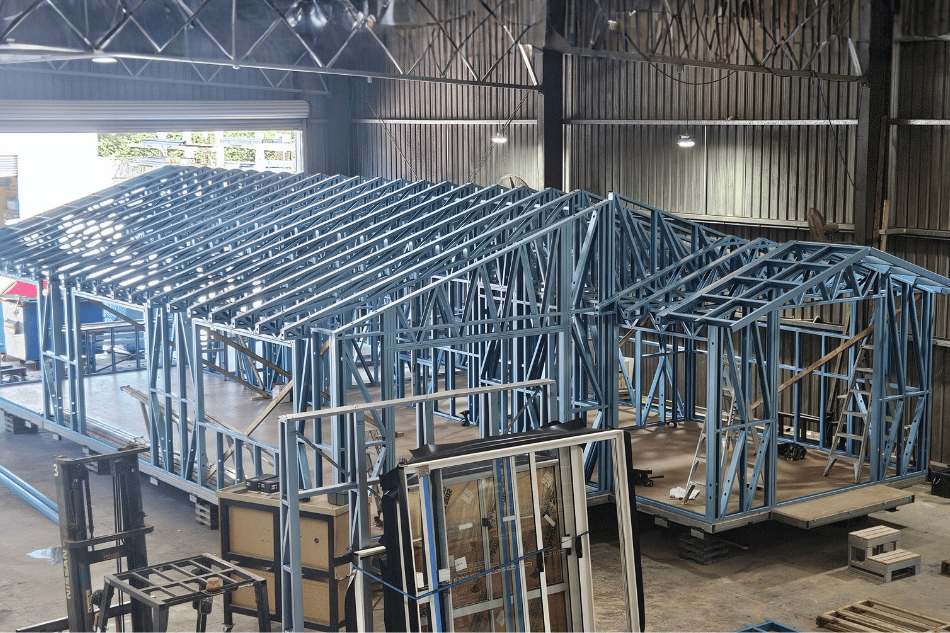
- Second Payment: 45% when factory construction is finished
- Final Payment: 5% at completion
This staged approach ensures fairness. The builder does the work, and you pay for it as it’s completed. It’s a system that supports the builder’s financial stability while giving you visibility over the progress of your home.
For site-built homes, the principles of progress payments are the same, though the stages might look a little different. Always confirm the details with your builder to ensure the schedule suits your plans and budget.
If you’re financing your home through a bank, be aware that lenders might have specific policies around progress payments. These could impact when and how you make payments. For tips on financing modular homes, check out our blog on the topic.
By understanding progress payments and working closely with your builder and lender, you’re ensuring the construction process runs smoothly.
Click on these links for more details on the Home Building Act 1989 or the Building and Construction Industry Security of Payment Act 1999.
Get the payment process right, and you’ll be building your dream home—modular or otherwise—with confidence and clarity