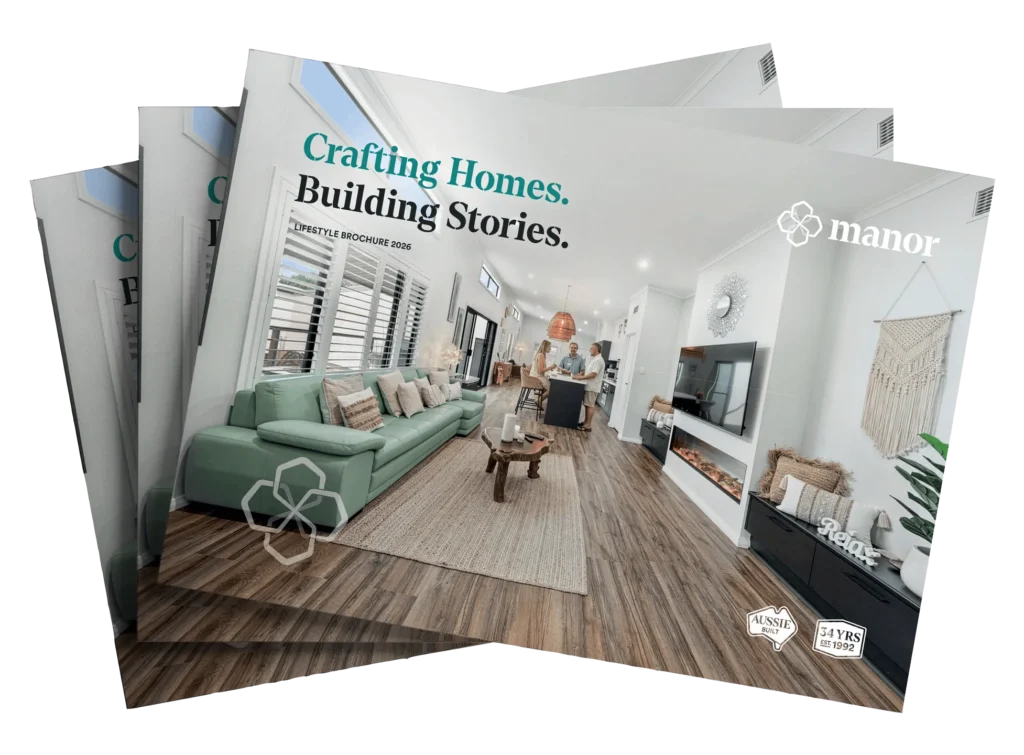



People often grapple with how big their new home should be. We sometimes get calls from folks insisting they need a 32-square home. Yet, when they stroll through our 19-square display, they often find it more than enough for their needs.
Many have a skewed idea of home size. Essentially, your home should be as big as you need it to be—no assumptions, no misconceptions, no borrowed reference points. Think like an architect or designer: start by asking questions about your family, lifestyle, budget, and tastes.
There’s no perfect home size; it all boils down to your needs. Here are some questions to help you and your builder get on the same page about what’s right for you.

- How many people will be living in the home permanently? The number of residents dictates the number of bedrooms and communal living spaces. You might need 3 to 4 bedrooms but desire an extra room for guests. Do you need one bathroom, or would an ensuite be more convenient?
- What ages are your children (if applicable)? Young children might need a playroom to keep toys out of the main living area. Teenagers or older kids might appreciate a separate living space. Consider the growing trend of multi-generational homes, which feature separate sleeping, living, and bathroom spaces. Plan for your future needs.
- Do you or your partner work from home? A separate office space might be necessary to work in peace. If both of you work from home, decide if a shared office is sufficient or if separate areas are needed.
- How much storage space do you need? Think about your storage needs. Do you need space for craft supplies, or are you more minimalist? Clever home designs can incorporate storage in various ways, but it’s essential to figure out how much storage you need to avoid clutter.
- How much outdoor living and garden space do you want? Balance your love for gardening with the space your home will occupy. If you’re an avid gardener, you might prefer a smaller home to allow more garden space. Consider outdoor living areas and how large you want them to be, ensuring you have the right mix of indoor and outdoor space.
- Do small spaces make you feel claustrophobic? Your preference for space will influence your decision. Some love large open areas, while others prefer cosy, smaller rooms. Think about how the size of each room will impact your daily living and comfort.
- How will the size of the home affect your energy bills? Large homes with high ceilings cost more to heat and cool. Consider your energy bills when deciding on home size. Smaller homes can be more energy-efficient, saving you money in the long run while still providing the comfort you need.
- Does impressing your family and friends with a large home appeal to you? If having a large home enhances your status among friends and family, factor this into your decision. A larger home might offer space for entertaining guests and hosting events, making it a centerpiece for social gatherings.
- What’s your budget? Always keep your budget in mind. A large home might seem appealing, but unused rooms add unnecessary costs. Balance size and practicality to avoid regrets. Think about future expenses, maintenance costs, and how much you’re willing to invest in your new home.
- Consider future resale value. Another important factor is the future resale value of your home. A well-designed home of the right size can be more attractive to future buyers. Think about how your decisions today might impact the home’s value in the future.
Trust Your Builder’s Expertise
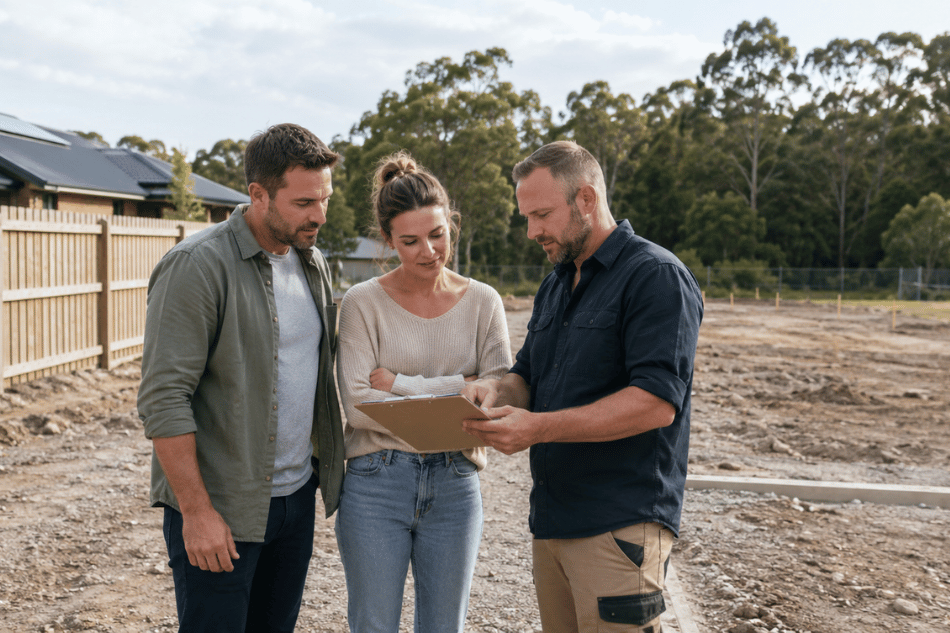
Navigating the complexities of home design can be overwhelming, but you don’t have to do it alone! Your builder is your ally, your trusted advisor.
They’re equipped with the expertise to guide you through the process. They have a wealth of experience in understanding what works and what doesn’t, helping you avoid common pitfalls and make informed decisions.
Builders can provide valuable insights into the most efficient use of space, the latest design trends, and the best materials to use. They can help you visualise how different layouts will work for your lifestyle, ensuring that every square meter of your home is utilised effectively.
Engage in open communication with your builder. Share your thoughts, preferences, and concerns, and be open to their suggestions. They can help you strike the perfect balance between your needs, wants, and budget. Remember, their goal is to create a home that not only meets but exceeds your expectations.
Key Takeaways:
- Engage in detailed discussions with your builder.
- Be open to professional advice and insights.
- Trust their experience to guide your decisions.
- Ensure your home design is both practical and fulfilling for your needs.
In the end, your builder’s expertise is invaluable in creating a home that you will love and cherish for years to come. They can turn your vision into reality, ensuring that your new home is the perfect fit for you and your family!