


The River Series is now available with our new Modern Coastal façade – designed for flood-prone and coastal blocks. | Enquire Now
Embracing Your Dream Home Journey
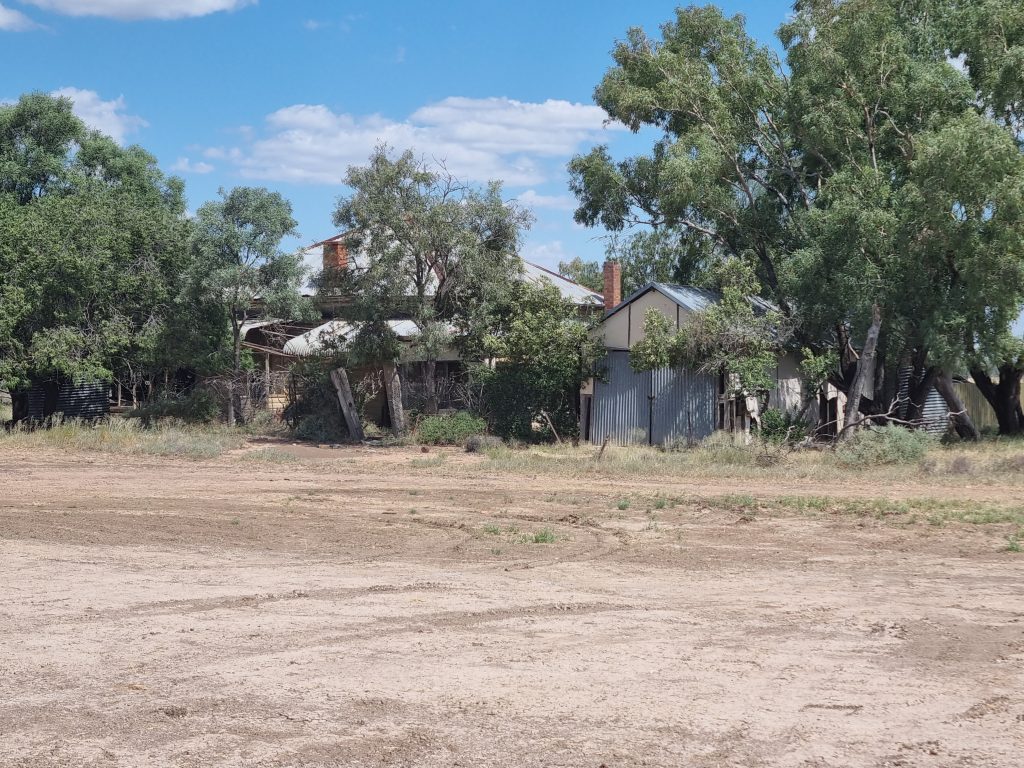
Every old farm home holds a story, a history woven into its very walls. The charm of these homes is undeniable, filled with character and warmth that modern structures often lack. But as you walk through creaky floorboards and admire the vintage fixtures, a crucial question arises: should you fix it up or start anew?
This guide will help you navigate this emotional journey, ensuring your decision aligns with your dreams and practical needs.
The Charm and Challenges of Old Farm Homes
There’s a unique magic in old farm homes. They stand as guardians of memories, offering a cosy embrace of nostalgia. However, maintaining these homes can be a labour of love. Outdated electrical systems, ancient plumbing, and the inevitable wear and tear present significant challenges.
When to Fix Your Old Farm Home
Fixing your old farm home might be the right choice if:
- Sentimental Value: If your home has been in the family for generations, preserving its legacy can be priceless. The emotional connection to family history and memories can be a strong motivator to renovate rather than replace.
- Structural Soundness: If the foundation and overall structure are solid, renovations can transform the space without starting from scratch.
- Budget-Friendly Updates: Small changes, like new paint or updated fixtures, can breathe new life into your home without breaking the bank.
- Short-Term Living: If you plan to stay for only another three to five years, minor fixes can make the home livable and attractive for resale.
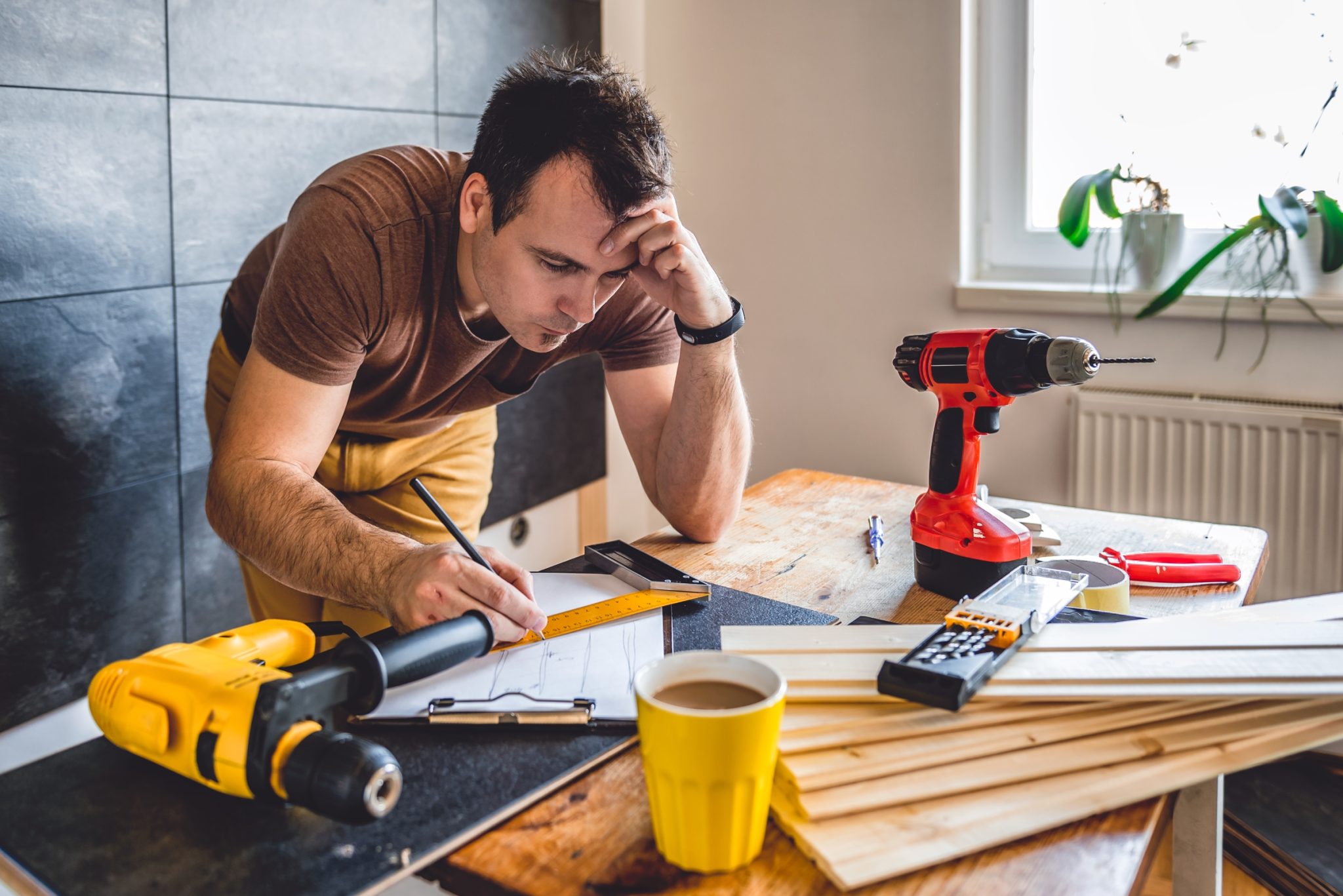
Benefits of Fixing
- Cost-Effective: Smaller renovations can be more affordable than a complete rebuild, allowing you to enhance specific areas without extensive costs.
- Preservation of Character: Keeping the original architecture and design retains the home’s historical value and unique charm.
- Less Disruption: Renovations often cause less upheaval compared to the demolition and rebuilding process.
- Increased Property Value: Strategic updates can boost the home’s market value, appealing to future buyers.
When to Replace Your Old Farm Home
Sometimes, the best way to honour the past is to build something new. Consider replacing your old farm home if:
- Severe Structural Issues: Major problems like a failing foundation or extensive water damage can make repairs impractical.
- Energy Efficiency: Modern homes offer better insulation, windows, and appliances, drastically reducing energy consumption and costs.
- Modern Amenities: New builds can incorporate the latest amenities and designs, creating a home that fits your lifestyle perfectly.
- Insufficient Space: If your current home feels cramped, a new build can provide the space you need.
- Poor Location: If your home’s location on the property isn’t ideal, rebuilding in a better spot can improve your living conditions.
- Health Issues: Persistent problems like mould or poor ventilation can affect your health, making replacement a safer choice.
Benefits of Replacing
- Personalisation: Building new allows you to personalise every aspect, from layout to finishes, ensuring your home reflects your tastes and needs.
- Energy Efficiency: New homes are built to high energy efficiency standards, lowering utility bills and environmental impact.
- Long-Term Savings: Although the initial cost is higher, new homes require less maintenance, saving money over time.
- Improved Layout: Modern designs offer efficient and functional layouts, enhancing your daily living experience.
- Enhanced Safety: New builds comply with the latest safety standards, ensuring a secure living environment.
- Increased Property Value: A modern, energy-efficient home can significantly boost your property’s market value.
Factors to Consider
- Cost: Compare the expenses of renovations with those of building new. Sometimes, a fresh start can be more economical in the long run.
- Time: Consider the time required for each option. A new build might be faster if extensive repairs are needed.
- Future Plans: Think about your long-term needs. If you plan to expand or make significant changes, a new build might be more practical.
- Environmental Impact: Weigh the environmental costs of demolition against the benefits of a sustainable, energy-efficient new home.
Embrace Modular for a Quick and Efficient Solution
In rural areas, the availability of resources can be a significant challenge when it comes to building or renovating a home. This is where modular homes offer a compelling solution.
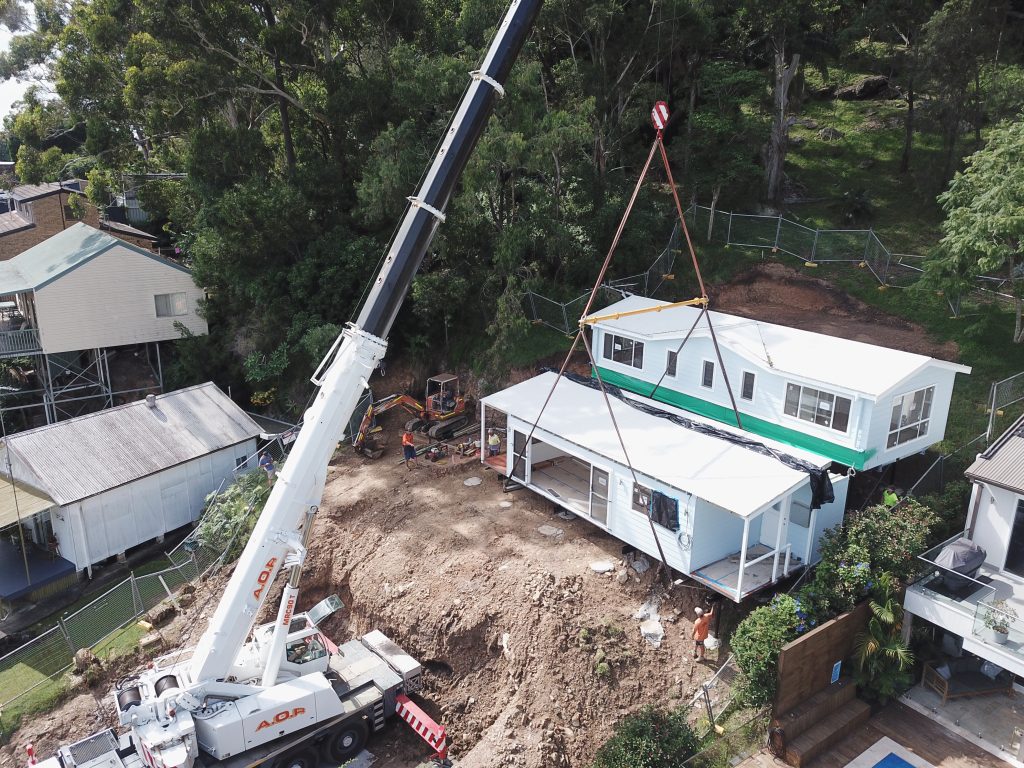
Modular homes are constructed off-site in a controlled environment, where materials and skilled labour are readily available. This method ensures a high standard of quality control and reduces the risk of delays due to weather or labour shortages.
Once the modular home is built, it’s transported to your property and assembled quickly. This approach not only speeds up the construction process but also minimises the disruption to your daily life. For rural homeowners, the efficiency and convenience of modular homes make them an excellent option, combining modern design, sustainability, and cost-effectiveness.
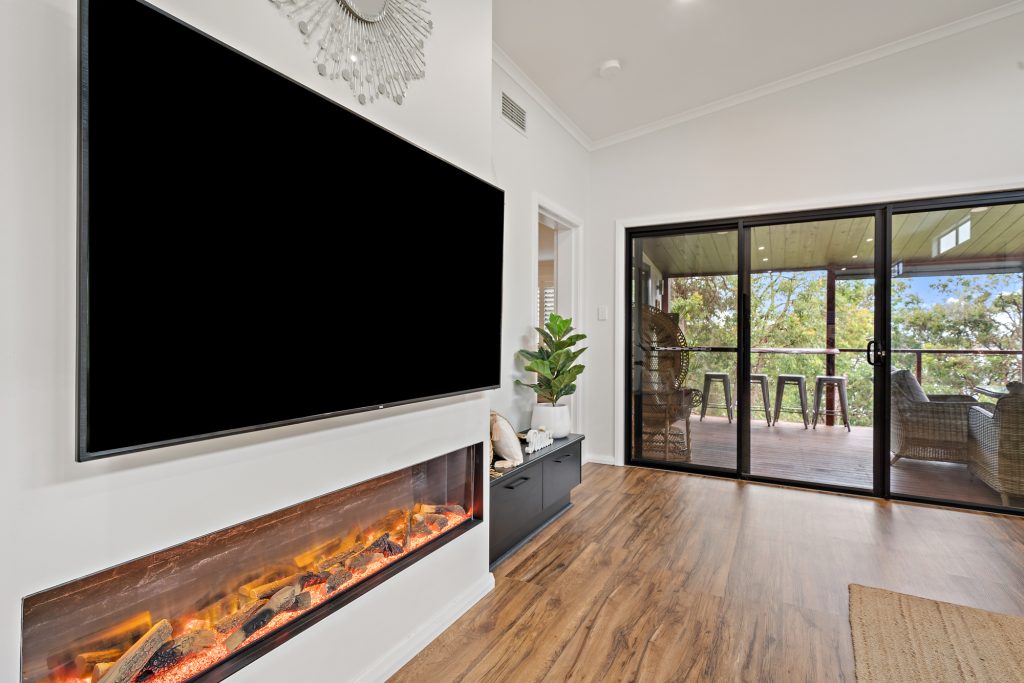
Modular homes also offer the flexibility to personalise your space. With a variety of designs and finishes to choose from, you can create a home that meets your specific needs and preferences.
By embracing modular construction, you can enjoy the benefits of a new, energy-efficient home without the lengthy timelines and resource constraints associated with traditional building methods, especially in rural areas.
Examples and Case Studies
- The Sentimental Renovation: A family renovated their old farm home, preserving its original woodwork and charm. They updated the electrical and plumbing systems, added insulation, and repainted, resulting in a comfortable, modernised home that retained its historical character.
- The Practical Rebuild: Faced with severe foundation issues, another family chose to rebuild. The new home features energy-efficient windows, modern appliances, and an open floor plan, offering both functionality and aesthetic appeal.
- The Health-Conscious Decision: A couple replaced their old farm home after persistent mould and poor ventilation affected their health. The new build provided a fresh, healthy living environment with modern air filtration systems and ample natural light.
- The Space Upgrade: A growing family found their old home too small and opted to rebuild. Their new home features additional bedrooms and living areas, tailored to their needs and lifestyle.
Your Next Steps
Choosing between fixing or replacing your old farm home is a deeply personal decision. Assess your home’s condition, your budget, and your long-term goals to make the best choice.
Whether you decide to renovate or rebuild, the result should be a home that not only suits your needs but also feels like a beautiful, cherished part of your story.