


Survey pegs might not be something you think about every day, but they’re a big deal when it comes to marking out property boundaries in NSW. Put there by licensed surveyors, these sturdy little markers are the key to getting boundaries right—for everything from building your dream home to settling legal disputes.
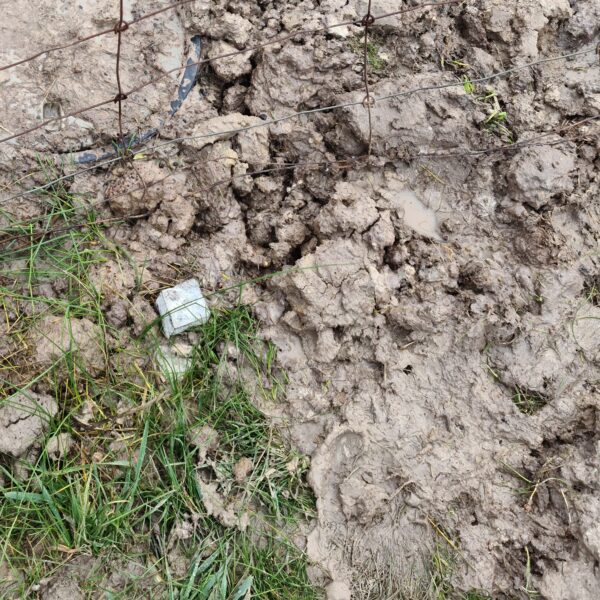
They’re usually short, tough stakes driven into the ground at key points like corners or direction changes. Some even have taller white-topped indicator stakes to make them easier to spot. But they’re not just slapped in at random—surveyors take precise measurements to ensure they’re spot-on.
A Little History
Survey pegs have been around for centuries. Back in the late 1700s, when NSW was first being surveyed, surveyors used wooden stakes and simple tools like chains and compasses. These days, they’ve levelled up to composite materials, metal, and high-tech GPS. But the job hasn’t changed much—these markers are still essential for keeping boundaries clear and legal.
Why Survey Pegs Matter
Getting Building Right
When you’re putting up a house or doing any kind of development, survey pegs make sure everything’s built in the right spot. They help builders stick to rules like boundary setbacks and avoid any awkward “that’s-onmy-land” conversations with the neighbours.
Keeping Things Legal
Survey pegs are the law’s way of saying, “This is where your land ends.” Messing with them—whether that’s removing or moving them—is illegal and could land you in hot water. Contractors like fencers or earthmovers need to know where they are too, so they don’t accidentally disturb them.
Re-establishing Boundaries
Over time, pegs can get damaged or lost—thanks to weather, landscaping, or just life happening. When that happens, you’ll need a re establishment survey (or a “re-peg”) to confirm your boundaries. This is especially important for older properties or when you’re redeveloping a block. A licensed surveyor will handle this with precision so you’re back on solid ground.
Did You Know?
- Modern survey pegs are usually about 12-15 cm long and built tough to survive the Aussie elements.
- Back in the 1800s, surveyors used tools like chains and compasses to map out land. Now, it’s all about GPS and laser tech for pinpoint accuracy.
- Survey pegs in Australia meet strict standards to stand up to both weather and accidental interference.
Legal Stuff
In NSW, you can’t just go moving or removing survey pegs—that’s a big no-no. Only a licensed surveyor can legally reposition them, and breaking this rule could land you with fines or disputes.
If you notice a peg is missing or damaged, call in a pro. They’ll make sure everything’s back in place and up to code, giving you peace of mind before any building or fencing starts.
Survey pegs might be small, but they pack a big punch when it comes to property boundaries. Keeping them intact and knowing their importance can save you headaches down the track—whether you’re building, renovating, or just keeping the peace with the neighbours.
Need more tips to get your block ready for a new home? Check out Manor Homes for practical advice and expert insights.