


Choosing a home design should be exciting.
But it can also feel risky.
What if you choose the wrong one?
What if the layout doesn’t suit your family? What if the home feels noisy, cramped or awkward? What if you realise too late that you needed more privacy, better storage or a completely different flow?
These concerns are real.
A home affects how you start the day, how you relax, how your family spends time together and how easily everyday life works.
Get the design right and the home quietly supports you.
Get it wrong and the frustration can last for years.
What’s the real cost of choosing the wrong home design?
The cost isn’t always measured in dollars.
The right design might cost more to build. It might cost less. That’s not the main point.
The real cost is living in a home that doesn’t work for you.
It’s the time lost moving through an awkward layout.
It’s the stress of never having enough storage.
It’s noise from the living room reaching the bedrooms.
It’s family members constantly getting in each other’s way.
It’s a home that’s too hot in summer, too dark in winter or uncomfortable when you use it most.
It’s the disappointment of realising that the home you worked hard for doesn’t feel the way you expected.
These problems rarely happen once.
They happen every day.
How does a poor floor plan affect everyday life?
Most home design problems aren’t dramatic.
They’re repetitive.
The pantry is too far from the entry.
There’s nowhere practical to leave shoes, school bags or coats.
The laundry becomes a bottleneck.
The kitchen looks impressive, but everyone walks through the main work area.
The television can be heard throughout the house.
There’s nowhere quiet to work, rest or take a phone call.
Furniture never sits properly because doors, windows and walkways are in the wrong places.
You adjust. You work around it. You tell yourself it’s fine.
But constant friction wears people down.
A home should make daily life easier. Not harder.
Test the design against an ordinary day
When people explore different home designs, they often imagine the best moments.
Christmas lunch.
Friends around the kitchen.
Children playing outside.
A quiet Sunday morning.
Those moments matter. But they’re not everyday life.
A better test is an ordinary Tuesday.
Everyone’s getting ready at once.
Someone’s making breakfast. Someone’s looking for a school bag. Another person’s trying to leave for work. The washing machine is running. The television is on. Someone needs a quiet place for a meeting.
How does the home work then?
Ask practical questions:
- Where does everyone enter?
- Where do shoes, bags and jackets go?
- Can people move through the kitchen without getting in the way?
- Can one person rest while someone else watches television?
- Is there enough privacy?
- Does the home suit how your family actually lives?
Smart homeowners don’t just picture special occasions. They test the design against real routines.
That’s often where the right answer becomes clear.
A floor plan is only as good as the thinking behind it
It’s easy to focus on the obvious details.
Four bedrooms.
Two bathrooms.
A large kitchen.
Open-plan living.
A study.
A walk-in pantry.
But a list of rooms doesn’t tell you whether the home will work.
Two floor plans can include the same spaces and create completely different experiences.
The difference is often in how those spaces connect.
Is the kitchen close to the main entry?
Are bedrooms separated from noisy living areas?
Can guests use a bathroom without walking through private areas?
Does the laundry sit where it makes sense?
Can furniture fit without blocking walkways?
Is there somewhere to retreat when several people are home?
These details might not stand out on paper.
But they often decide whether you enjoy living in the home.
A plan can also be difficult to understand in two dimensions. Exploring 3D virtual tours or walking through completed homes can help you understand room sizes, movement and the relationship between different spaces.
Good home design is more than personal taste
Your preferences matter.
You should like the look and feel of your home. You may prefer a classic country, coastal, contemporary or Scandinavian-inspired home style.
But good design goes deeper than appearance.
Orientation, window placement and shading affect sunlight and heat.
Zoning affects privacy and noise.
Circulation affects how easily people move through the home.
Room proportions affect furniture placement and comfort.
The Australian Government’s guidance on passive home design explains how a home can work with its local climate to improve comfort. Its guidance on home orientation also explains how the position of living and sleeping areas affects exposure to sun and prevailing winds.
These aren’t just technical details.
They shape what the home feels like on hot afternoons, cold mornings, busy weekdays and quiet nights.
Will the home still suit you in 10 years?
It’s impossible to predict everything.
But a good home design should allow for change.
Children grow up.
Work arrangements change.
Parents age.
Guests stay longer.
A study becomes a bedroom.
A playroom becomes a quiet retreat.
Someone may need easier access through the home.
A flexible design doesn’t need to be larger. It just needs to be well considered.
The Australian Government’s guide to liveable and adaptable homes recommends designing for changing household needs without relying on major alterations later.
Smart homeowners think beyond move-in day.
They ask whether the design will keep working as life changes.

Does the design suit your land?
Even a well-designed home can be wrong for a particular block.
The slope, orientation, access, views, surrounding buildings and local conditions all matter.
The NSW Planning Portal recommends that homeowners understand their land and its constraints before deciding what type of home can be built there.
Ask:
- How will the home sit on the block?
- Which direction will the main living areas face?
- Where are the best views?
- What will the afternoon sun affect?
- How will vehicles reach the home?
- Where will outdoor living work best?
- Are there planning, bushfire, flooding or other site considerations?
The design and the land need to work together.
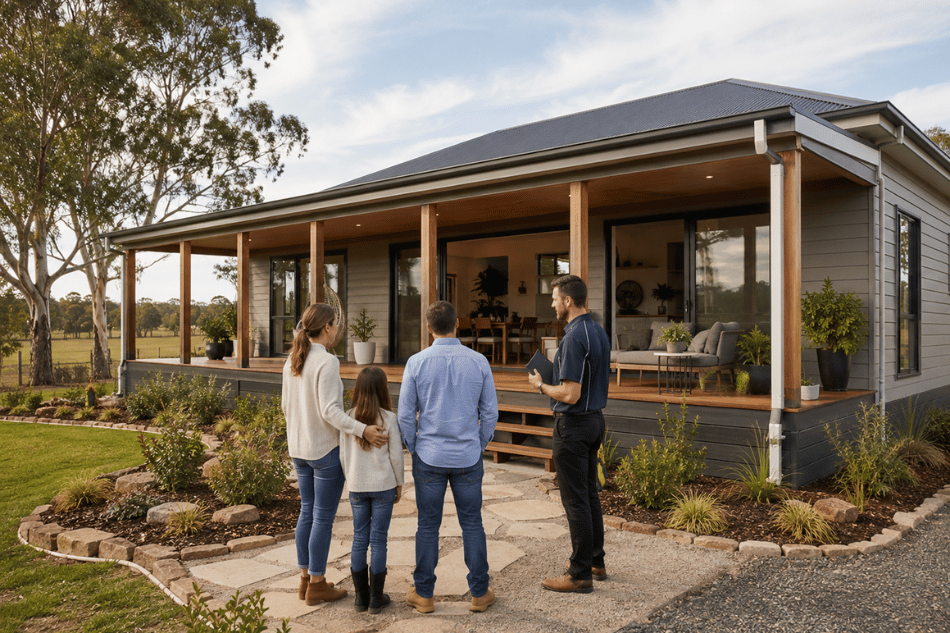
That’s why a proper site visit can be so valuable. It helps connect the floor plan with the real conditions on the property.
Is it safe to choose a home design online or from a brochure?
Yes.
There’s nothing wrong with choosing a design from a website, brochure or display home.
In many cases, it’s a smart way to start.
An experienced builder may have refined a design over many years. It may have been built repeatedly, improved through customer feedback and adjusted to avoid common problems.
You might choose that design straight from a website and make an excellent decision.
The issue isn’t where you found the design.
The issue is who created it.
Ask:
- What experience sits behind the design?
- Has it been built before?
- Has it been improved over time?
- Can the builder explain why it works?
- Will they tell you if it doesn’t suit your needs or block?
- Do they understand how people actually live?
Looking through a builder’s completed-home case studies can help you see how its designs have worked on real properties, not just in drawings or advertising.
A polished display home can still hide a poor design.
A simple plan from an experienced builder may work brilliantly.
What matters is the thinking behind it.
Why experience matters when choosing a home design
Most people will only build a few homes in their lifetime.
They shouldn’t be expected to understand every aspect of orientation, floor planning, acoustics, accessibility and construction.
You’ll know what you like.
You’ll know what frustrates you about your current home.
You’ll know which rooms matter most.
But you may not see the long-term effect of placing a door, hallway, window or living area in the wrong position.
That’s why the people helping you matter.
A good designer or builder should identify problems before they become permanent.
They should ask questions you haven’t considered.
They should explain the trade-offs.
They should sometimes challenge your first idea.
Not because you’re wrong.
Because there may be a better way to get the result you want.
Find a builder who listens before recommending
A strong design process starts with good questions.
Be careful when someone moves too quickly from:
“How many bedrooms do you need?”
to:
“Here’s the design for you.”
Bedroom numbers are only the beginning.
A good builder or designer should ask:
- Who’ll live in the home?
- How do you spend your time?
- Where does the family gather?
- Where do you need privacy?
- What frustrates you about your current home?
- Do you work from home?
- Do you entertain often?
- How much storage do you need?
- What could change over the next decade?
- How does the land affect the design?
The aim isn’t to make the process more complicated.
It’s to understand you well enough to make the decision simpler.
Trust doesn’t mean giving up control
Choosing an experienced builder doesn’t mean handing over every decision.
The best design process is collaborative.
You understand your life.
The designer understands space, light, movement and function.
The builder understands construction and what works in the real world.
Each person brings something important.
You should feel comfortable asking:
- Why has this room been placed here?
- How will this home feel in summer and winter?
- Where will our furniture go?
- How will noise move through the house?
- What alternatives were considered?
- What are the compromises?
- Has this design been built before?
- Is this genuinely the best option for us?
Good professionals won’t avoid these questions.
They’ll welcome them.
How do you know whether you’ve found the right builder?
Look beyond the floor plans. The NSW Planning Portal’s guidance on choosing the right builder recommends checking matters such as licensing, previous work and the builder’s broader record.
A trustworthy builder or design team should:
- have a proven track record
- take time to understand how you live
- explain the thinking behind the design
- consider the block, orientation and climate
- speak openly about compromises
- help you understand each decision
- recommend against an option when it doesn’t suit you
- make the process clearer
- listen carefully without simply agreeing with everything
- give you confidence without applying pressure
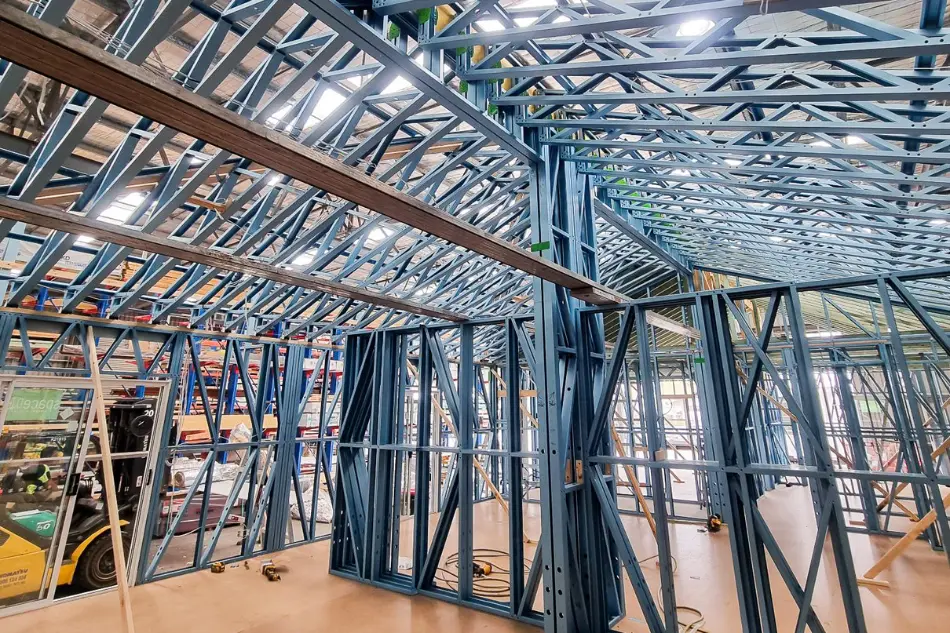
Research the company. Look through its completed work. Speak with its team. Where possible, visit its display homes and factory so you can see the design and construction quality for yourself.
You should feel heard. You should also feel guided.
There’s a difference between a builder who gives you what you ask for and one who helps you work out what you really need.
Smart homeowners understand that difference.
They don’t try to become experts in everything. They find experienced people they can trust, ask good questions and make the decision with the long term in mind.
Choosing the right home design
Choosing a home design is a major decision.
It deserves time, thought and honest conversations.
But you don’t have to design the home yourself.
Know your priorities.
Be realistic about how you live.
Choose a builder with experience, sound design knowledge and a strong track record.
The right home design won’t necessarily be the biggest.
It won’t necessarily be the most fashionable.
And it won’t necessarily be the most expensive.
It’ll be the one that makes everyday life work.
Day after day.
Year after year.