


Australians have always loved outdoor living.
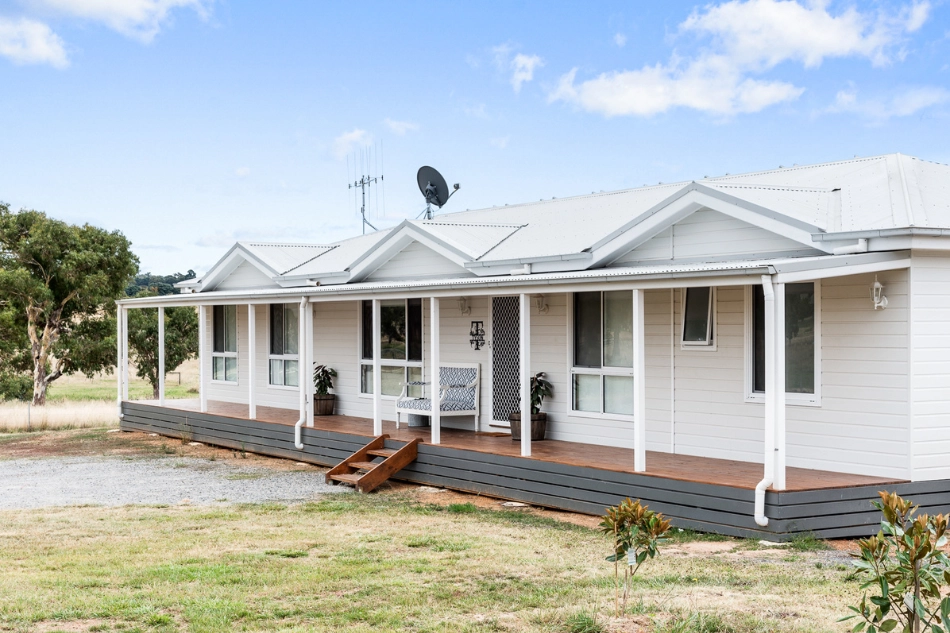
Verandahs, decks, patios and alfresco areas have been part of Australian home design for generations. They give us somewhere to sit, eat, entertain, relax, watch the kids, enjoy the view, and feel connected to the land around us.
But there’s a difference between having an outdoor area and having a good indoor-outdoor living space.
Great indoor-outdoor living design is about more than adding a deck or installing a large set of sliding doors.
A good one doesn’t feel like an add-on.
It feels like part of the home.
It suits the site, the climate, the view, the family, and the way people actually live.
For Australian family couples who are smart about their investment in their family home, this matters. A well-designed outdoor space doesn’t just look good on a plan. It gets used.
Here are seven features that help make indoor-outdoor living design work properly.
1. Indoor-outdoor living design starts with lifestyle
The best indoor-outdoor spaces start with how people live.
Not the size of the deck.
Not the brand of sliding door.
Not the outdoor furniture.
The first question is: how will this space actually be used?
Some families want a large entertaining area for weekend lunches and visitors.
Others want a quiet morning coffee spot.
Some want a place to watch the kids in the yard.
Others want a sheltered area for reading, pets, gardening, barbecues or long summer evenings.
A holiday home may need a very different outdoor space from a family home used every day.
A retired couple may want something low-maintenance and comfortable.
A young family may care more about visibility, safety and room to move.
Good design starts there.
The outdoor space should support the life being lived, not just fill a blank area beside the house.
2. It connects to the right rooms
A great indoor-outdoor space usually connects to the rooms people use most.
That often means the kitchen, dining area or main living space.
If the outdoor area is too far from the kitchen, it can become inconvenient. It may still look good, but people won’t use it as much.
If it connects naturally to the main living area, the space becomes part of everyday life.
Doors open.
Food moves easily outside.
Kids move in and out.
Guests gather without feeling cut off from the rest of the home.
That’s why many homes designed for outdoor living focus on the relationship between open-plan living and verandahs, decks or alfresco areas. Manor’s article on summer design features gives good examples of how deep verandahs, rear decks and alfresco spaces can support a more relaxed way of living.
The key is simple.
The outdoor area should be easy to reach, easy to use, and easy to enjoy.
3. It gets orientation, sun and shade right
Sun can make or break an outdoor living area.
A space that looks perfect on the floorplan may be too hot, too exposed, too dark or too windy in real life.
That’s why orientation matters. The Australian Government’s YourHome guide on orientation explains that good passive design considers northern exposure, east and west sun, cooling breezes and local weather patterns.
In practical terms, this means thinking carefully about:
- where the sun comes from in summer
- where winter sun is needed
- whether the space gets harsh afternoon heat
- how much shade is needed
- where breezes come from
- whether the space will be comfortable at the times of day it’s used most
A north-facing outdoor area may work well in many Australian settings, especially when it has the right shading.
An east-facing space may be ideal for morning use.
A west-facing area can become uncomfortable without proper protection from afternoon sun.
The point isn’t that one orientation is always right.
The point is that orientation should be considered early, not fixed later with umbrellas and wishful thinking.
4. It’s protected from weather
A good outdoor living space needs protection.
That doesn’t mean it has to be closed in. But it does need to be comfortable enough to use.
That may involve:
- a roofed verandah or alfresco area
- deep eaves
- screens
- blinds
- ceiling fans
- outdoor heating
- good drainage
- slip-resistant surfaces
- protection from wind and rain
YourHome’s guide to shading explains how eaves, awnings, shutters, screens and planting can help manage sun and improve comfort.
In real life, this is where many outdoor spaces succeed or fail.
A deck with no shade may look beautiful, but it may be unusable in summer.
A verandah with no protection from the prevailing wind may feel exposed.
An alfresco area with poor drainage may become frustrating during wet weather.
Good indoor-outdoor living isn’t only about opening the doors.
It’s about creating a space people actually want to sit in.
5. It works with the view, privacy and site
Most people know where the best view is.
But the best view isn’t always the only design factor.
A good outdoor living area also needs to consider privacy, weather, slope, access, neighbours, gardens, trees and how the home sits on the land.
For example, the best view may face the strongest wind.
The most private spot may not get the best winter sun.
The logical outdoor area may clash with driveway access, trees, drainage or site slope.
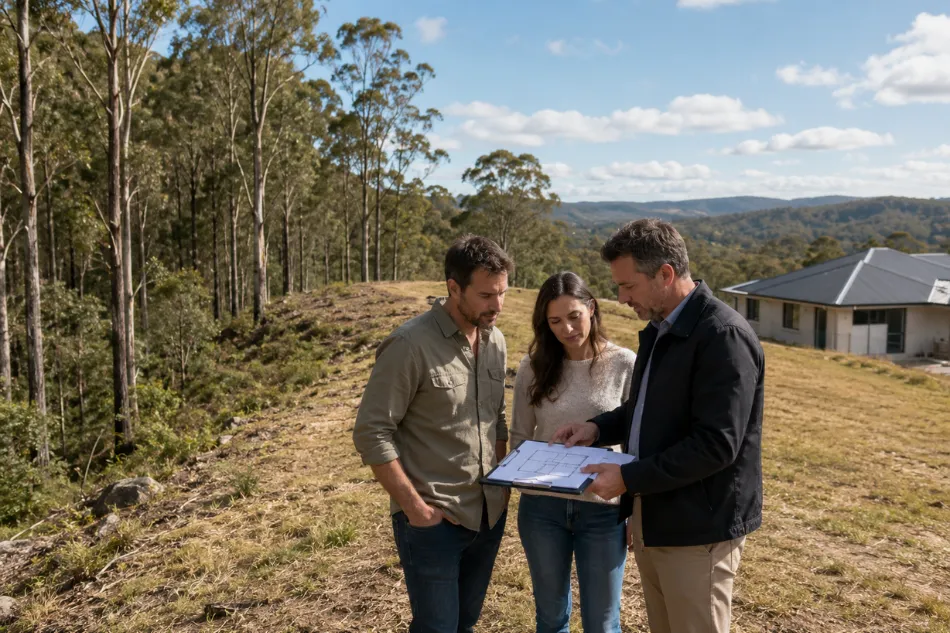
That’s why site understanding matters. Manor’s article on what happens during a site visit explains how sunlight, wind, weather exposure, privacy, driveway approach and outdoor living all need to be considered together.
A well-designed home should sit in harmony with the landscape.
That means the outdoor living area shouldn’t feel like it was added after the home was designed.
It should feel like it belongs to the site.
6. The transition feels effortless
Indoor-outdoor flow is not only about installing big doors.
Big doors help, but they’re not the whole answer.
The transition also needs to feel easy.
That means thinking about:
- door size and placement
- circulation paths
- furniture placement
- thresholds
- flooring levels
- visibility between spaces
- how people move during meals and gatherings
- whether the outdoor area feels connected or cut off
A beautiful set of sliding doors won’t solve a poor layout.
If the dining table blocks the doorway, the flow won’t work.
If the outdoor furniture is too far from the kitchen, it won’t feel natural.
If the deck is too narrow for people to move around comfortably, the space may feel cramped.
Good indoor-outdoor living design makes movement feel simple.
People shouldn’t have to think too hard about using the space.
They should just use it.
7. The finishing touches make it liveable
The design gets the space started.
The finishing touches make it work.
These are the details that turn an outdoor area from a deck into a real living space.
Things like:
- lighting
- power points
- ceiling fans
- outdoor heating
- outdoor furniture
- barbecue zones
- outdoor kitchens
- storage
- privacy screens
- outdoor blinds
- planting
- speakers
- water access
- safe steps and handrails
- places to put plates, drinks and books
Manor’s article on outdoor kitchens, dining and living gives practical examples, including lighting, ceiling fans and outdoor heating.
These details matter because they change how the space feels.
A well-lit verandah can be used at night.
A ceiling fan can make summer evenings more comfortable.
Outdoor heating can stretch the season.
Power points make the space more flexible.
Privacy screens can make it feel more settled.
The small things often decide whether the space is used occasionally or used all the time.
Common mistakes to avoid
A few common mistakes can weaken indoor-outdoor living design.
These include:
- chasing the view but ignoring wind
- putting the deck where it gets the worst afternoon sun
- making the outdoor area too small for furniture
- forgetting shade
- placing the barbecue too far from the kitchen
- ignoring privacy
- leaving lighting and power until too late
- treating landscaping as an afterthought
- creating an awkward step or threshold
- designing for summer but forgetting winter
None of these mistakes are complicated.
But they’re easy to miss if outdoor living is treated as a feature rather than part of the whole home.
The best indoor-outdoor spaces feel natural
A great indoor-outdoor living space is not just a deck, verandah or large sliding door.
It’s the relationship between the home, the land, the climate and the people living there.
When it’s done well, the home feels larger, easier and more connected.
The outdoor area becomes part of daily life.
The view is enjoyed.
The shade works.
The breeze is considered.
The furniture fits.
The kitchen connects.
The family uses the space without having to force it.
That’s the real value.
For Australian family couples who are smart about their investment in their family home, a great indoor-outdoor space is not just about lifestyle.
It’s about designing a home that works beautifully in real life.