

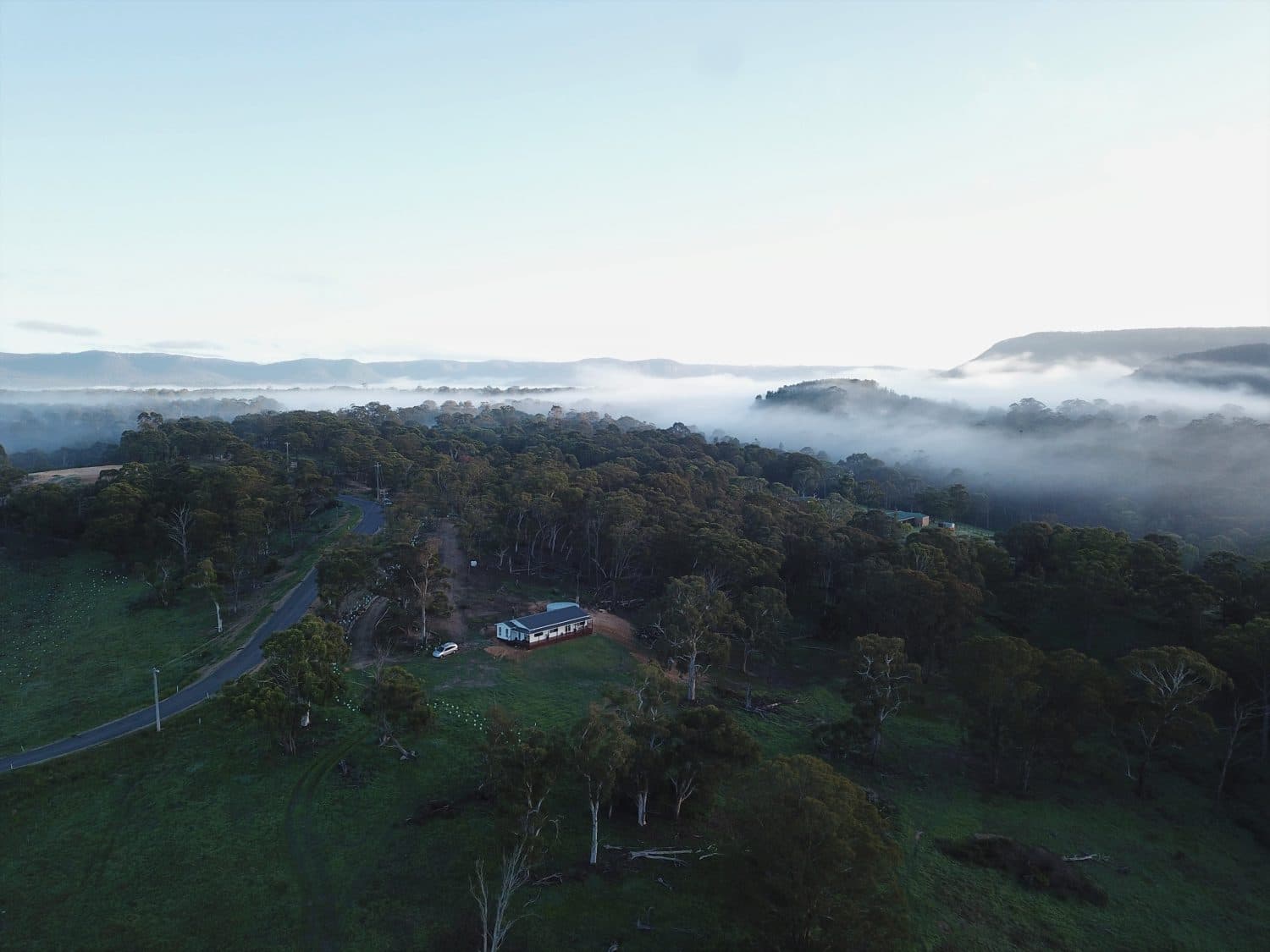
Living in rural and remote areas offers a unique charm that many Australians cherish. The allure of wide-open spaces, fresh air, and a slower pace of life is undeniable.
However, when it comes to building a new home—whether on a different block nearby or by knocking down and rebuilding on your current spot—the reality often brings a myriad of hidden costs and logistical challenges.
Understanding these hidden costs can help potential homeowners make informed decisions and consider modular homes as the best solution, offering full-quality construction with added benefits.
The Real Costs of Remote Home Building
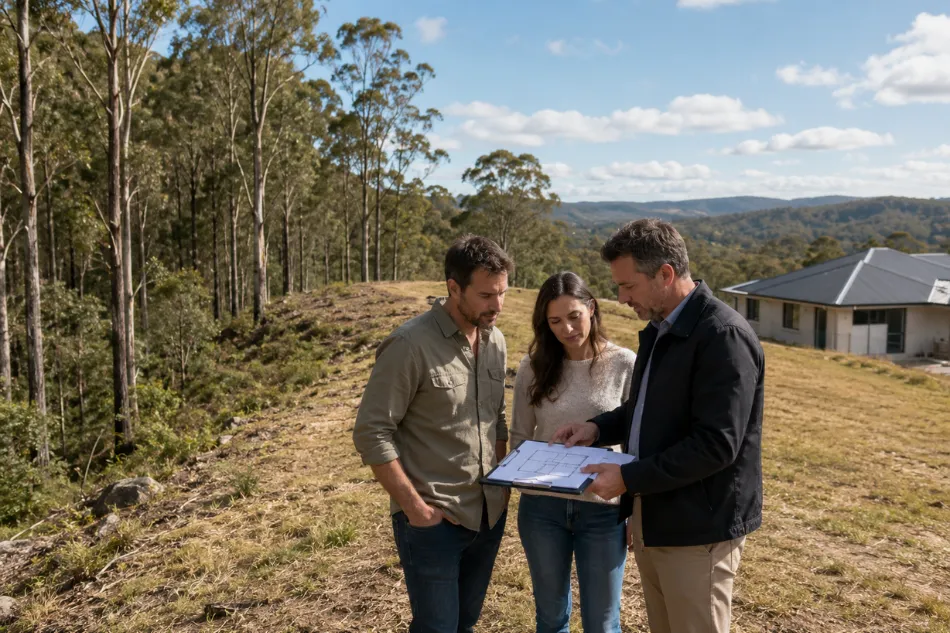
- Scarcity of Local Resources: In many rural and remote areas, the availability of local construction materials and skilled labour is limited. This scarcity drives up the cost of both materials and labour, as they often need to be transported from urban centres. Transporting materials and bringing in skilled tradespeople from afar can significantly inflate the overall cost of construction.
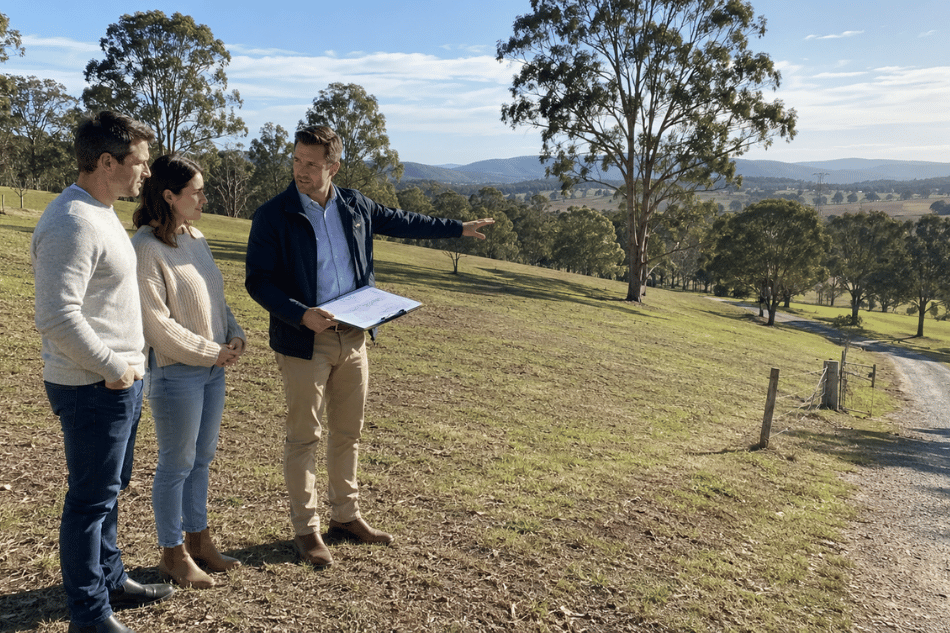
- Logistical Challenges: Accessing remote sites can be a logistical nightmare. Poor road conditions, long distances, and challenging terrains all add to the complexity and cost of transporting materials and labour to the building site. These logistical hurdles can cause delays and increase expenses, making the construction process more stressful and unpredictable.
- Higher Labour Costs: Skilled labour is often hard to find in remote locations. Builders and tradespeople may charge a premium to travel to these areas, or homeowners might have to cover additional costs for accommodation and travel expenses. This situation not only increases costs but can also result in a shortage of reliable workers, further delaying the project.
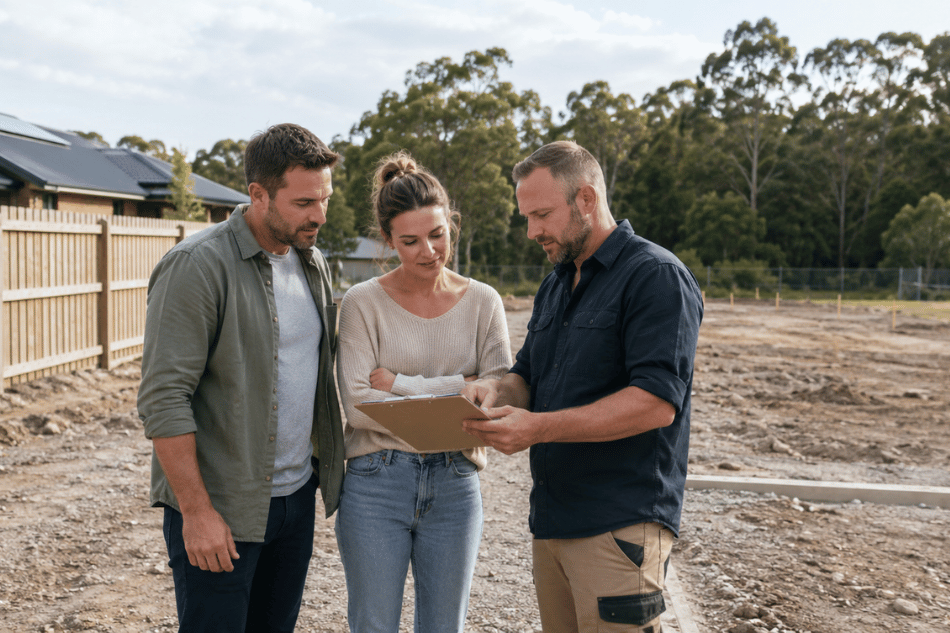
- Site Preparation: Preparing a remote site for construction can be more expensive than in urban areas. Issues such as difficult terrain, lack of access to utilities, and the need for extensive groundwork can add thousands of dollars to the project. These site-specific challenges often require specialised equipment and expertise, contributing to higher costs.
The Modular Home Advantage
While the hidden costs of building a home in rural and remote locations can be daunting, modular homes present the best solution. Here’s why:
- Factory Precision: Modular homes are built in controlled factory environments, ensuring high-quality construction standards. This process minimises the impact of weather delays and ensures that each unit meets strict quality control measures. These homes are designed to be large and roomy, with full-height ceilings that offer the same spacious feel as traditional homes.
- Cost Efficiency: By constructing homes in a centralised location with access to a reliable workforce and materials, modular homes can be produced more cost-effectively. The economies of scale achieved in the factory setting help reduce the overall cost of construction. Plus, modular homes use traditional building materials, ensuring luxury and durability, while employing modern construction methods for the best results.
- Logistical Ease: Once constructed, modular homes are transported to the site in sections and assembled quickly. This method significantly reduces the logistical challenges and costs associated with traditional on-site construction. It also means that homes can be built and delivered to even the most remote locations without the need for extensive site preparation. The use of traditional materials and modern construction techniques ensures that these homes are both luxurious and practical.
- Sustainability: The modular construction process is designed to be efficient and environmentally friendly. By using precise measurements and advanced technology, waste is minimised, and materials are used more effectively. This commitment to sustainability aligns with the values of many rural homeowners who prioritise living harmoniously with nature. Modular homes, built with traditional materials, offer a luxury feel while embracing eco-friendly practices.
- Personalisation and Quality: Contrary to some misconceptions, modular homes are not a one-size-fits-all solution. They offer a high degree of personalisation, allowing homeowners to choose from various styles, floor plans, and finishes to create a home that suits their needs and preferences. The result is a home that is just as high-quality and aesthetically pleasing as any traditional build, with the added benefit of being constructed using modern methods for optimal results.
Why Modular Homes Are the Future
Building a home in rural and remote areas comes with unique challenges and hidden costs that can make the process daunting and expensive. However, modular homes offer a practical, cost-effective, and high-quality solution that can mitigate many of these issues.
By considering modular construction, homeowners can achieve their dream of living in a beautiful, personalised home in the location they love, without the stress and expense of traditional building methods.
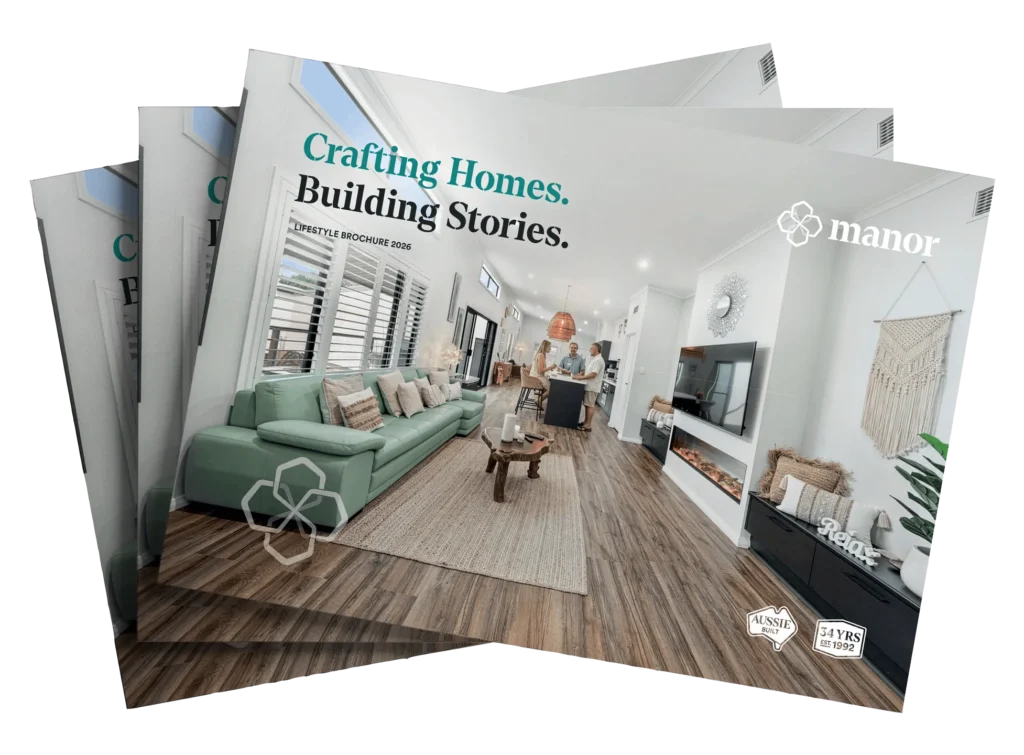
At Manor Homes, we’re dedicated to helping Australians achieve their family lifestyle vision, providing sustainable, personalised homes that blend seamlessly with the natural landscape. Our modular homes are large, roomy, and built with full-height ceilings, using traditional building materials for a luxurious finish while employing modern construction methods for the best results.