

The River Series is now available with our new Modern Coastal façade – designed for flood-prone and coastal blocks. | Enquire Now
How to Choose the Right Glazing for Your Home: A Practical Guide for Regional and Rural Homes
When planning a new home, especially in rural or regional areas, glazing might not be the first thing that comes to mind. For many, windows are simply “glass in a frame”—a standard feature, easily overlooked. But glazing is far from a one-size-fits-all decision. It plays a critical role in how your home feels, performs, and complies with important standards like bushfire safety.
In this guide, we’ll walk through the key considerations when it comes to glazing—helping you understand your options without overwhelming you. Ultimately, your builder is your best resource in making the right decision. Not every builder uses every type of glazing or frame system, and for good reason. Their recommendations will be based on experience, regional conditions, and how all the elements of your home come together.
What Is Glazing, Really?
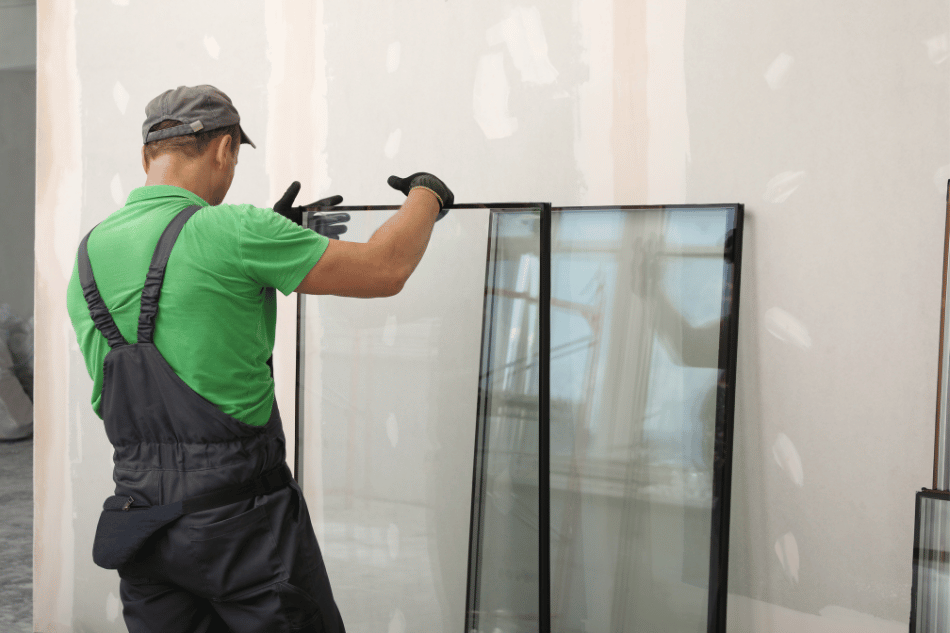
Glazing refers to the glass in your windows and doors—but it’s more than just the glass itself. It includes how many layers of glass there are, any coatings or treatments applied to the surface, and the frame material that surrounds it. These all work together to influence thermal performance, sound insulation, safety, and aesthetics.
In modular homes—especially those designed for semi-rural and regional living—glazing decisions should align with broader design priorities like bushfire resilience, orientation for passive solar gain, and sustainable building practices.
Types of Glass: What Are My Options?
Glazing comes in several different types, each with its own benefits. Here’s a look at some common options:
- Single Glazing
A single pane of glass. It’s affordable but not typically used in new builds due to poor thermal and acoustic performance. - Double Glazing
Two panes of glass separated by an air or gas-filled gap. This is becoming the norm in many areas for its excellent insulation and energy efficiency. - Low-E Glass
Low-emissivity glass has a special coating that reflects heat while allowing light to pass through. It helps keep your home cooler in summer and warmer in winter. - Tinted or Toned Glass
Ideal for reducing glare and solar heat gain. Tinted glass can be especially useful in sun-exposed areas of the home. - Laminated and Toughened Glass
These are safety glass options often used in high-risk or high-exposure areas. Toughened glass is heat-treated to resist breakage, while laminated glass has a built-in interlayer that holds it together if shattered.
Your builder will help determine which types are most suitable for your project—and it’s important to remember that some builders may specialise in particular types or avoid others based on their construction methods, material sourcing, or energy performance goals.
Frame Materials: Not Just a Supporting Act
Frames matter too. The material used for your window or door frames affects durability, thermal performance, bushfire compliance, and even the overall aesthetic of your home.
Common frame materials include:
- Aluminium – Strong, low-maintenance, and often used in modern designs. However, it can be less energy efficient unless thermally broken.
- uPVC – Offers excellent insulation and weather resistance. Popular in high-performance builds.
- Timber – Naturally insulating and visually appealing, but requires maintenance. May be limited in some bushfire-prone zones.
Again, not every builder will offer every frame material. Some may favour one type for consistency with their construction process, sustainability goals, or aesthetic outcomes. Rather than trying to compare every option yourself, have a conversation with your builder about what they recommend—and why.
Orientation and Location: The Bigger Picture
Where your home sits on your land, how it’s oriented, and the climate of your region all influence the best glazing choices. North-facing windows, for example, can harness the sun’s warmth in winter, but may benefit from shading or glazing treatments in summer.
In cooler climates, double glazing helps retain heat, while in warmer areas, tinted or low-e options can reduce solar heat gain. Homes in open rural landscapes may also benefit from acoustic glazing to dampen external noise.
This is where the experience of your builder is invaluable—they’ll look at the full picture, not just the window schedule.
Bushfire Zones and BAL Ratings: Glazing That Protects
For homes in bushfire-prone areas, glazing must meet specific performance standards under the Bushfire Attack Level (BAL) rating system. Depending on your BAL level, you may need:
- Toughened or laminated glass
- Steel or aluminium mesh screens
- Metal frames instead of timber
- Specific seals to prevent ember attack
Your builder will assess the bushfire requirements based on your site’s rating and work with you to ensure compliance—while still maintaining design appeal. In many cases, their preferred glazing systems will already be tested for BAL performance, offering a more streamlined path to approval.
Cost vs Comfort: Making Smart Trade-Offs
Glazing is one of those areas where upfront investment can pay off in long-term comfort and energy savings. But not every option suits every budget.
It’s not about choosing “the best” glass in isolation—it’s about making balanced decisions across your home’s design. For instance, upgrading glazing might be a priority in living areas and bedrooms, while other areas use standard options. Your builder can guide you through these decisions, helping you prioritise where it counts most.
Every Builder Has a Reason
One key takeaway: not every builder offers every glazing or framing option—and that’s okay. In fact, it often reflects a deeper level of expertise. Many builders select materials and systems they trust, that align with their construction approach, and that deliver consistent performance for the environments they build in.
Rather than asking why they don’t offer something, it can be more helpful to ask what they do use, and why. A thoughtful builder will walk you through their reasoning and help tailor a solution that works for your home.
Final Thoughts: It’s a Collaborative Decision
Choosing the right glazing isn’t about ticking a box—it’s about shaping how your home lives and breathes. Whether you’re building in a cool climate, a high BAL zone, or a sun-drenched rural block, glazing will affect everything from comfort to compliance.
But you don’t need to become a glazing expert to get it right. You just need to ask the right questions and have an open conversation with your builder.
After all, building a home is a journey—and glazing is just one of the details that, when done well, makes a house feel like home.